
Semi Trailer Corrosion Protection Guide for Wet and Coastal Routes
Semi Trailer Corrosion Protection Guide for Wet and Coastal Routes
Semi trailer corrosion protection matters most when trailers work in rain, coastal air, muddy yards, road spray, or long outdoor storage. Rust rarely starts as a dramatic failure. It usually begins around welds, stone chips, drainage traps, fasteners, deck edges, and hidden contact points where water and dirt stay longer than the driver expects.
This guide gives fleet managers, buyers, and maintenance teams a practical semi trailer corrosion protection routine that can be used before purchasing, during inspection, and after demanding routes. It is not a substitute for local maintenance rules, but it helps teams ask better questions and stop small damage from becoming structural repair work.

Why Corrosion Starts Early
A trailer may look clean from a distance while exposed edges are already losing coating. Salt air, standing water, fertilizer dust, cement residue, and abrasive road dirt can all shorten the life of paint and protective layers. Semi trailer corrosion protection starts with understanding where moisture can sit and where metal is most likely to be hit, scratched, or rubbed during normal work.
The basic science of corrosion is simple enough: exposed metal reacts with its environment. In transport work, the hard part is controlling the environment around a moving asset that sees different cargo, routes, weather, and cleaning habits every week.
Inspect Coating Before the Route Gets Hard
A good semi trailer corrosion protection check begins with the coating. Walk around the chassis and look for peeling paint, bubbling, exposed primer, fresh scratches, or rough orange staining. Pay close attention to the front area behind the tractor, the lower frame, landing gear mounts, suspension brackets, rear bumper, and deck edges because these zones often receive road spray and impact damage. Treat semi trailer corrosion protection as a dispatch issue when coating loss appears near load-bearing parts.
Focus on Welds, Edges, and Drainage Points
Weld seams, gussets, brackets, bolt holes, and sharp corners deserve extra attention. Coating can be thinner at edges, and dirt can collect where plates overlap. During semi trailer corrosion protection inspections, use a light and look behind cross members, inside toolboxes, around side guards, and near mudguard supports. Drain holes should stay open so wash water and rainwater do not remain trapped.

Match Protection to Cargo and Climate
A trailer carrying dry packaged cargo on inland highways has different exposure from a trailer working near ports, mines, farms, or winter roads. Semi trailer corrosion protection should match the duty cycle. Wet routes may require more frequent washing and coating checks. Abrasive cargo sites may need stronger attention to stone chips, floor contact zones, and underside impact marks.
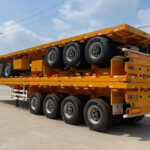
For fleets reviewing a Heavy-Duty Flatbed Semi-Trailer, corrosion questions should cover floor material, side rail design, tie-down pockets, coating access, and how easily the operator can clean the deck after mixed industrial cargo. Semi trailer corrosion protection is easier when buyers think about cleaning access before the trailer enters daily service.
Corrosion Risk Review Table
The table below helps teams decide where semi trailer corrosion protection work should be most frequent.
| Area to check | Common risk | Practical action |
|---|---|---|
| Lower frame and cross members | Road spray, mud, and trapped water | Wash, dry, and inspect coating breaks |
| Weld seams and brackets | Thin coating or early rust lines | Clean closely and repair coating damage |
| Deck and side rails | Cargo abrasion and forklift contact | Check scratches after loading cycles |
| Fasteners and hinges | Moisture around moving parts | Inspect hardware and replace badly corroded parts |
| Toolboxes and enclosed pockets | Poor drainage and hidden dirt | Keep drainage clear and remove residue |
Clean and Dry Trailers Before Parking
Washing helps only when it removes corrosive residue and allows the trailer to dry. After wet yard work, coastal operation, or dusty cargo, rinse the underside, suspension area, and deck contact points where residue gathers. Semi trailer corrosion protection also depends on parking habits: avoid leaving trailers in deep mud, standing water, or areas where plant debris holds moisture against the frame. Simple semi trailer corrosion protection records help teams see whether washing and parking changes are working.

Repair Small Damage Before It Spreads
Small coating failures should be repaired before rust spreads under the surrounding paint. Clean the area, remove loose material, follow the coating supplier’s repair process, and record the repair date. If corrosion appears near structural welds, suspension mounts, kingpin areas, or load-bearing components, stop guessing and ask a qualified maintenance technician to inspect it. Semi trailer corrosion protection should support safety, not hide damage.
Build Protection into Purchasing Decisions
Buyers should discuss corrosion exposure before confirming a trailer specification. Useful questions include where the trailer will park, how often it will be washed, whether it will work near ports or mines, what cargo residue is common, and which areas need easy inspection access. In General Logistics Transport, a practical semi trailer corrosion protection plan can be as important as payload, axle layout, or loading method.
Final Checklist for Fleet Teams
Before dispatch, check visible coating, weld seams, drainage points, fasteners, deck damage, lights, and suspension brackets. After harsh routes, wash away residue and record any rust, bubbling, or paint loss. At scheduled service, compare repeated damage points across the fleet so purchasing and maintenance teams can improve the next specification. This makes semi trailer corrosion protection a routine operating habit instead of a late repair response.
Consistent semi trailer corrosion protection is not about making every trailer look new. It is about keeping critical metal protected, making defects visible early, and extending useful service life through disciplined inspection and repair. If your fleet works in wet, coastal, or abrasive routes, share those conditions with YF Trailer before ordering so the trailer configuration and maintenance plan fit the real job.
Blog Categories
Contact Us
Latest News
-

How to Choose a Reliable Semi Trailer Manufacturer for Your Business
-

Long Cargo Transport Checklist for Steel, Pipe, and Precast Loads
-
Tanker Semi Trailer Cleaning Preparation Before Cargo Changeover
-

Tanker Trailer Unloading Hose Guide for Fleet Operators
-

Yufei Customization: Reconstructing Transport Value
-
Stake Side Semi Trailer Side Board Inspection for Mixed Cargo
-

Lowbed Trailer Capacity: Complete Guide for Heavy Equipment Transport
-
Flatbed Trailer Deck Wear Inspection for Machinery Transport
-

Side Curtain Trailer Loading Access Guide for Pallet Freight
-
Flatbed Trailer Tie Down Point Inspection Before Industrial Loads
-

Semi Trailer Coupling Height Guide for Safer Tractor Matching
-

Refrigerated Semi Trailer Loading Checklist for Cold Chain Dispatch
-
Refrigerated Semi Trailer Door Seal Inspection for Cold Chain Loads
-

Semi Trailer Fleet Inspection Calendar for Monthly Maintenance Planning
-
Semi Trailer Shipping Protection Guide for Overseas Buyers
-
Tanker Semi Trailer Valve Inspection Checklist Before Dispatch
-
Lowbed Trailer Hydraulic Ramp Guide for Equipment Loading
-

Yufei Heavy-duty Trailer Launched, Technology Empowers
-
How to Choose Semi Trailer Solutions for Different Regions and Road Conditions
View our industry solutions
Or learn about other industry content
Semi trailer corrosion protection matters most when trailers work in rain, coastal air, muddy yards, road spray, or long outdoor storage. Rust rarely starts as a dramatic failure. It usually begins around welds, stone chips, drainage traps, fasteners, deck edges, and hidden contact points where water and dirt stay longer than the driver expects.
This guide gives fleet managers, buyers, and maintenance teams a practical semi trailer corrosion protection routine that can be used before purchasing, during inspection, and after demanding routes. It is not a substitute for local maintenance rules, but it helps teams ask better questions and stop small damage from becoming structural repair work.
Why Corrosion Starts Early
A trailer may look clean from a distance while exposed edges are already losing coating. Salt air, standing water, fertilizer dust, cement residue, and abrasive road dirt can all shorten the life of paint and protective layers. Semi trailer corrosion protection starts with understanding where moisture can sit and where metal is most likely to be hit, scratched, or rubbed during normal work.
The basic science of corrosion is simple enough: exposed metal reacts with its environment. In transport work, the hard part is controlling the environment around a moving asset that sees different cargo, routes, weather, and cleaning habits every week.
Inspect Coating Before the Route Gets Hard
A good semi trailer corrosion protection check begins with the coating. Walk around the chassis and look for peeling paint, bubbling, exposed primer, fresh scratches, or rough orange staining. Pay close attention to the front area behind the tractor, the lower frame, landing gear mounts, suspension brackets, rear bumper, and deck edges because these zones often receive road spray and impact damage. Treat semi trailer corrosion protection as a dispatch issue when coating loss appears near load-bearing parts.
Focus on Welds, Edges, and Drainage Points
Weld seams, gussets, brackets, bolt holes, and sharp corners deserve extra attention. Coating can be thinner at edges, and dirt can collect where plates overlap. During semi trailer corrosion protection inspections, use a light and look behind cross members, inside toolboxes, around side guards, and near mudguard supports. Drain holes should stay open so wash water and rainwater do not remain trapped.
Match Protection to Cargo and Climate
A trailer carrying dry packaged cargo on inland highways has different exposure from a trailer working near ports, mines, farms, or winter roads. Semi trailer corrosion protection should match the duty cycle. Wet routes may require more frequent washing and coating checks. Abrasive cargo sites may need stronger attention to stone chips, floor contact zones, and underside impact marks.
For fleets reviewing a Heavy-Duty Flatbed Semi-Trailer, corrosion questions should cover floor material, side rail design, tie-down pockets, coating access, and how easily the operator can clean the deck after mixed industrial cargo. Semi trailer corrosion protection is easier when buyers think about cleaning access before the trailer enters daily service.
Corrosion Risk Review Table
The table below helps teams decide where semi trailer corrosion protection work should be most frequent.
| Area to check | Common risk | Practical action |
|---|---|---|
| Lower frame and cross members | Road spray, mud, and trapped water | Wash, dry, and inspect coating breaks |
| Weld seams and brackets | Thin coating or early rust lines | Clean closely and repair coating damage |
| Deck and side rails | Cargo abrasion and forklift contact | Check scratches after loading cycles |
| Fasteners and hinges | Moisture around moving parts | Inspect hardware and replace badly corroded parts |
| Toolboxes and enclosed pockets | Poor drainage and hidden dirt | Keep drainage clear and remove residue |
Clean and Dry Trailers Before Parking
Washing helps only when it removes corrosive residue and allows the trailer to dry. After wet yard work, coastal operation, or dusty cargo, rinse the underside, suspension area, and deck contact points where residue gathers. Semi trailer corrosion protection also depends on parking habits: avoid leaving trailers in deep mud, standing water, or areas where plant debris holds moisture against the frame. Simple semi trailer corrosion protection records help teams see whether washing and parking changes are working.
Repair Small Damage Before It Spreads
Small coating failures should be repaired before rust spreads under the surrounding paint. Clean the area, remove loose material, follow the coating supplier’s repair process, and record the repair date. If corrosion appears near structural welds, suspension mounts, kingpin areas, or load-bearing components, stop guessing and ask a qualified maintenance technician to inspect it. Semi trailer corrosion protection should support safety, not hide damage.
Build Protection into Purchasing Decisions
Buyers should discuss corrosion exposure before confirming a trailer specification. Useful questions include where the trailer will park, how often it will be washed, whether it will work near ports or mines, what cargo residue is common, and which areas need easy inspection access. In General Logistics Transport, a practical semi trailer corrosion protection plan can be as important as payload, axle layout, or loading method.
Final Checklist for Fleet Teams
Before dispatch, check visible coating, weld seams, drainage points, fasteners, deck damage, lights, and suspension brackets. After harsh routes, wash away residue and record any rust, bubbling, or paint loss. At scheduled service, compare repeated damage points across the fleet so purchasing and maintenance teams can improve the next specification. This makes semi trailer corrosion protection a routine operating habit instead of a late repair response.
Consistent semi trailer corrosion protection is not about making every trailer look new. It is about keeping critical metal protected, making defects visible early, and extending useful service life through disciplined inspection and repair. If your fleet works in wet, coastal, or abrasive routes, share those conditions with YF Trailer before ordering so the trailer configuration and maintenance plan fit the real job.
Blog Categories
Contact Us
Latest News
-
Stake Side Semi Trailer Side Board Inspection for Mixed Cargo
-

Bulk Powder Tanker Air Compressor Matching Guide
-
Lowboy Trailer Tire Clearance Guide for Heavy Equipment Loads
-

Yufei Awarded “SMEs with Specialty” Title, Benchmark Strength
-
Lowbed Trailer Capacity: Complete Guide for Heavy Equipment Transport
-
Skeletal Trailer Kingpin Area Inspection for Container Fleets
-

Rear Dump Trailer Stability Checklist Before Unloading Loose Material
-
Tanker Trailer Unloading Hose Guide for Fleet Operators
-

Supply Chain Collaboration, Trailers Build Industry-Academia Ecosystem
-

Hazardous Transport: Yufei Tanker, Safe and Compliant
-

Heavy Haul Trailer Guide: Types, Specs & Buying Tips
-
Semi Trailer Shipping Protection Guide for Overseas Buyers
-
Container Chassis Selection Guide for Port and Inland Freight
-
Semi Trailer Trucks: How to Choose the Right One for Your Business
-

Semi Trailer Pre-Delivery Inspection Checklist for Overseas Buyers
-

Lowbed Trailer vs Flatbed Trailer: Which One Is Right for Your Transport Needs
-
Semi Trailer Wheel Bearing Inspection Guide for Long-Distance Fleets
-
Semi Trailer Brake Air Line Routing Guide for Fleet Reliability
View our industry solutions
Or learn about other industry content
Engineering Equipment Transportation:
Custom Trailers Provide Efficient Solutions
Yufei solves the pain points of engineering equipment transportation for a Henan equipment leasing company:
Customer Pain Points:
Insufficient carrying capacity for 35-ton excavators, delays due to poor turning capabilities on narrow construction site roads, and trailer delivery times exceeding 45 days.
Solution:
Customized 80-ton low-bed trailers with 1.2-meter cargo platforms and hydraulic steering, with flexible production lines for expedited delivery.

Hazardous Materials Transportation:
Class A Tank Trucks Enhance Safety and Increase Profits
Yufei solved a core challenge for its logistics partner, Sinopec, in the transportation of hazardous materials:
Customer Pain Points:
Old tank trucks have significant leak risks, a 12-ton self-weight limits cargo capacity, and fuel consumption exceeds 35L.
Solution:
The Class A tanker has 304 stainless tank, triple safety devices and lightweight 0690 structure.

General Logistics:
Stake Trailer Solves Transportation Capacity Challenges
Yufei helps a Shandong logistics company overcome transportation pain points during peak e-commerce seasons:
Customer Pain Points:
Old trailers have slow loading and unloading times, limited capacity for bulky goods, fuel consumption exceeds 32L, and insufficient transportation capacity during peak seasons.
Solution:
Customizable foldable stake trailers, lightweight Q690 steel construction + hydraulic self-unloading.

[Customer Case Studies]
Yufei's customized solutions
Based in Liangshan, Yufei has been specializing in special purpose/semi-trailers since 2008, with real-world service cases worldwide demonstrating its intelligent manufacturing capabilities.
[Customer Case Studies]
Yufei's customized solutions
Based in Liangshan, Yufei has been specializing in special purpose/semi-trailers since 2008, with real-world service cases worldwide demonstrating its intelligent manufacturing capabilities.
Engineering Equipment Transportation:
Custom Trailers Provide Efficient Solutions
Yufei solves the pain points of engineering equipment transportation for a Henan equipment leasing company:
Customer Pain Points:
Insufficient carrying capacity for 35-ton excavators, delays due to poor turning capabilities on narrow construction site roads, and trailer delivery times exceeding 45 days.
Solution:
Customized 80-ton low-bed trailers with 1.2-meter cargo platforms and hydraulic steering, with flexible production lines for expedited delivery.
Hazardous Materials Transportation:
Class A Tank Trucks Enhance Safety and Increase Profits
Yufei solved a core challenge for its logistics partner, Sinopec, in the transportation of hazardous materials:
Customer Pain Points:
Old tank trucks have significant leak risks, a 12-ton self-weight limits cargo capacity, and fuel consumption exceeds 35L.
Solution:
The Class A tanker has 304 stainless tank, triple safety devices and lightweight 0690 structure.
General Logistics:
Stake Trailer Solves Transportation Capacity Challenges
Yufei helps a Shandong logistics company overcome transportation pain points during peak e-commerce seasons:
Customer Pain Points:
Old trailers have slow loading and unloading times, limited capacity for bulky goods, fuel consumption exceeds 32L, and insufficient transportation capacity during peak seasons.
Solution:
Customizable foldable stake trailers, lightweight Q690 steel construction + hydraulic self-unloading.
[Core advantages]
Core Competitiveness
Driven by Intelligence & Service
Strong
R&D Team:
120-member team, 45% senior titles, leading tech

Intelligent
Manufacturing:
Robotic welding, 99%+ precision guarantee

Rapid
Customization:
Flexible lines for diverse needs, 7-day delivery

Strict
Quality Control:
Full-process control, ISO9001 certified

Comprehensive
After-sales:
24h response, lifelong operation support

Industrial
Cluster Adv:
Liangshan base, efficient supply chain

Lightweight
Tech Breakthrough:
Topology optimization, 18% weight reduction

Complete
Qualifications:
CCC certified, Class A for hazardous goods

[Contact us]
Ready to Find Your
Perfect Trailer Solution







