
Lowbed Trailer Hydraulic Ramp Guide for Equipment Loading
Lowbed Trailer Hydraulic Ramp Guide for Equipment Loading
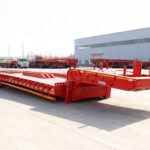
A heavy machine can be ready for transport, but loading still becomes slow if the ramp angle, surface, cylinder movement, or operator access feels wrong. Lowbed trailer hydraulic ramp planning helps equipment buyers review the loading process before the trailer reaches the yard.
Lowbed Trailer Hydraulic Ramp gives buyers a practical way to turn early interest into a clearer purchasing conversation. It links the trailer detail with cargo, route, loading method, workshop access, and handover expectations before the order becomes difficult to change.

Why Ramp Choice Affects Loading Confidence
Equipment loading depends on more than payload. Machine track width, ground clearance, ramp surface, hydraulic movement, hinge support, and site ground condition all shape how safely and quickly the machine can climb. Buyers should also think about the operator standing near the ramp, because visibility and working space affect every loading attempt.
For importers and fleet buyers, lowbed trailer hydraulic ramp is useful because it turns a broad product question into a review that drivers, procurement staff, and maintenance teams can all understand.
Questions To Ask Before Build Approval
Ask about ramp angle, surface grip, cylinder placement, hinge access, locking method, and the machine types expected most often. The buyer should also confirm whether drivers can see and control ramp movement clearly.
Before confirming an order, lowbed trailer hydraulic ramp should be checked through drawings, close-up photos, and a written explanation of what the buyer should inspect at delivery.

Hydraulic Ramp Review Table
| Buyer question | What to review | Why it affects the fleet |
|---|---|---|
| What machines will be loaded? | Track width, tire width, clearance, and contact points | The ramp must match real equipment, not a generic load |
| Is movement controlled? | Cylinder action, locking points, and operator view | Smooth movement improves loading confidence |
| Can it be maintained? | Hinges, hoses, pins, and cleaning access | Hard-to-service ramps become neglected quickly |
Watch The Loading Path From Ground Level
Inspect the ramp surface, hinge area, hydraulic hoses, cylinder mounts, locking points, and side clearance. Watch whether the ramp movement is smooth and whether the machine path feels predictable from the ground. If the ramp feels awkward when empty, it will not become easier with a machine waiting behind it.
During inspection, lowbed trailer hydraulic ramp should be reviewed in the same order the fleet will use the trailer. That keeps the check practical instead of turning it into a list of isolated parts.
Document Ramp Use At Handover
Handover should explain how to raise, lower, lock, inspect, and clean the ramp. This is especially important when the trailer will be used by several drivers or on uneven jobsites.
A useful handover note should be clear enough for a driver to follow and specific enough for a workshop to act on. When lowbed trailer hydraulic ramp is documented well, the buyer has fewer unclear emails after delivery.
For broader heavy vehicle safety context, buyers can review resources from the Federal Motor Carrier Safety Administration, while still checking local rules for the destination market.
Connect Ramp Checks With Maintenance
After delivery, lowbed trailer hydraulic ramp should be connected with routine inspection. A lowbed trailer route survey checklist helps the buyer decide what belongs in daily, weekly, or monthly checks.
It also supports purchasing work. When the buyer knows which details may need attention, lowboy trailer ramp angle planning can make replacement planning less reactive.

Mistakes That Make Loading Harder
One mistake is approving a ramp from side-view drawings only. Another is ignoring the machine’s lowest point. Loading problems often appear when the first real machine meets the ramp.
The best use of lowbed trailer hydraulic ramp is simple: it should help the customer compare options, ask sharper questions, and choose a trailer that fits real work rather than a brochure description.
FAQs About Lowbed Trailer Hydraulic Ramp
Why does lowbed trailer hydraulic ramp design matter?
It affects loading angle, operator control, machine clearance, hinge stress, and driver confidence.
Should buyers review ramp angle with the machine?
Yes. Lowbed trailer hydraulic ramp review is strongest when the expected machine dimensions are known.
What parts should be inspected?
Check ramp surface, hinges, cylinders, hoses, locking points, and side clearance.
Can poor ramp planning delay dispatch?
Yes. If the machine cannot climb smoothly or safely, the trailer may need extra support, extra time, or a different loading method.
What should handover include?
Include ramp operation steps, inspection points, locking guidance, and cleaning reminders.
Final Takeaway
Lowbed Trailer Hydraulic Ramp matters because most buyers are not only buying steel and components. They are buying a process that must keep cargo moving with fewer surprises.
If you are comparing trailer options, share your cargo, route, loading equipment, and maintenance expectations with YF Trailer. A focused discussion around lowbed trailer hydraulic ramp can make the final specification easier to inspect, hand over, and operate.
Blog Categories
Contact Us
Latest News
-

Semi Trailer Lighting Inspection for Night Loading and Yard Safety
-
Flatbed Trailer Chain Angle Guide for Safer Cargo Securing
-

Semi Trailer Electrical Inspection Checklist Before Fleet Dispatch
-
Lowbed Trailer Manufacturer: How to Choose the Right Partner for Heavy Equipment Transport
-

Lowbed Trailer vs Multi Axle Trailer: Which One Should You Choose
-

Side Curtain Trailer Maintenance Checklist for Palletized Freight Fleets
-

Semi Trailer Wheel Bearing Inspection Guide for Long-Distance Fleets
-
Lowbed Trailer Hydraulic Ramp Guide for Equipment Loading
-

Tanker Semi Trailer Baffle Planning for Liquid Cargo Stability
-
How to Choose Semi Trailer Solutions for Different Regions and Road Conditions
-

Trailer Export Inspection Checklist for Overseas Buyers
-
Semi Trailer Landing Gear Inspection Checklist for Safer Yard Operations
-

Lowbed Trailer vs Flatbed Trailer: Which One Is Right for Your Transport Needs
-

Supply Chain Collaboration, Trailers Build Industry-Academia Ecosystem
-
Tanker Semi Trailer Manhole Inspection Guide Before Loading
-

Heavy Equipment Transport: Complete Guide to Oversized Cargo Logistics
-
Semi Trailer Spare Parts Planning for Fleet Maintenance Teams
View our industry solutions
Or learn about other industry content
A heavy machine can be ready for transport, but loading still becomes slow if the ramp angle, surface, cylinder movement, or operator access feels wrong. Lowbed trailer hydraulic ramp planning helps equipment buyers review the loading process before the trailer reaches the yard.
Lowbed Trailer Hydraulic Ramp gives buyers a practical way to turn early interest into a clearer purchasing conversation. It links the trailer detail with cargo, route, loading method, workshop access, and handover expectations before the order becomes difficult to change.
Why Ramp Choice Affects Loading Confidence
Equipment loading depends on more than payload. Machine track width, ground clearance, ramp surface, hydraulic movement, hinge support, and site ground condition all shape how safely and quickly the machine can climb. Buyers should also think about the operator standing near the ramp, because visibility and working space affect every loading attempt.
For importers and fleet buyers, lowbed trailer hydraulic ramp is useful because it turns a broad product question into a review that drivers, procurement staff, and maintenance teams can all understand.
Questions To Ask Before Build Approval
Ask about ramp angle, surface grip, cylinder placement, hinge access, locking method, and the machine types expected most often. The buyer should also confirm whether drivers can see and control ramp movement clearly.
Before confirming an order, lowbed trailer hydraulic ramp should be checked through drawings, close-up photos, and a written explanation of what the buyer should inspect at delivery.
Hydraulic Ramp Review Table
| Buyer question | What to review | Why it affects the fleet |
|---|---|---|
| What machines will be loaded? | Track width, tire width, clearance, and contact points | The ramp must match real equipment, not a generic load |
| Is movement controlled? | Cylinder action, locking points, and operator view | Smooth movement improves loading confidence |
| Can it be maintained? | Hinges, hoses, pins, and cleaning access | Hard-to-service ramps become neglected quickly |
Watch The Loading Path From Ground Level
Inspect the ramp surface, hinge area, hydraulic hoses, cylinder mounts, locking points, and side clearance. Watch whether the ramp movement is smooth and whether the machine path feels predictable from the ground. If the ramp feels awkward when empty, it will not become easier with a machine waiting behind it.
During inspection, lowbed trailer hydraulic ramp should be reviewed in the same order the fleet will use the trailer. That keeps the check practical instead of turning it into a list of isolated parts.
Document Ramp Use At Handover
Handover should explain how to raise, lower, lock, inspect, and clean the ramp. This is especially important when the trailer will be used by several drivers or on uneven jobsites.
A useful handover note should be clear enough for a driver to follow and specific enough for a workshop to act on. When lowbed trailer hydraulic ramp is documented well, the buyer has fewer unclear emails after delivery.
For broader heavy vehicle safety context, buyers can review resources from the Federal Motor Carrier Safety Administration, while still checking local rules for the destination market.
Connect Ramp Checks With Maintenance
After delivery, lowbed trailer hydraulic ramp should be connected with routine inspection. A lowbed trailer route survey checklist helps the buyer decide what belongs in daily, weekly, or monthly checks.
It also supports purchasing work. When the buyer knows which details may need attention, lowboy trailer ramp angle planning can make replacement planning less reactive.
Mistakes That Make Loading Harder
One mistake is approving a ramp from side-view drawings only. Another is ignoring the machine’s lowest point. Loading problems often appear when the first real machine meets the ramp.
The best use of lowbed trailer hydraulic ramp is simple: it should help the customer compare options, ask sharper questions, and choose a trailer that fits real work rather than a brochure description.
FAQs About Lowbed Trailer Hydraulic Ramp
Why does lowbed trailer hydraulic ramp design matter?
It affects loading angle, operator control, machine clearance, hinge stress, and driver confidence.
Should buyers review ramp angle with the machine?
Yes. Lowbed trailer hydraulic ramp review is strongest when the expected machine dimensions are known.
What parts should be inspected?
Check ramp surface, hinges, cylinders, hoses, locking points, and side clearance.
Can poor ramp planning delay dispatch?
Yes. If the machine cannot climb smoothly or safely, the trailer may need extra support, extra time, or a different loading method.
What should handover include?
Include ramp operation steps, inspection points, locking guidance, and cleaning reminders.
Final Takeaway
Lowbed Trailer Hydraulic Ramp matters because most buyers are not only buying steel and components. They are buying a process that must keep cargo moving with fewer surprises.
If you are comparing trailer options, share your cargo, route, loading equipment, and maintenance expectations with YF Trailer. A focused discussion around lowbed trailer hydraulic ramp can make the final specification easier to inspect, hand over, and operate.
Blog Categories
Contact Us
Latest News
-
Lowboy Trailer Tire Clearance Guide for Heavy Equipment Loads
-

Yufei Awarded “SMEs with Specialty” Title, Benchmark Strength
-

Heavy Loads Secured: Yufei Low-Deck Trailer
-
Container Chassis Inspection Checklist Before Port Dispatch
-
Semi Trailer Types Explained for Different Transport Industries
-
Lowbed Trailer Manufacturer: How to Choose the Right Partner for Heavy Equipment Transport
-
Heavy Equipment Transport: Complete Guide to Oversized Cargo Logistics
-
Semi Trailer Electrical Inspection Checklist Before Fleet Dispatch
-
Side Curtain Trailer Loading Access Guide for Pallet Freight
-

Yufei Customization: Reconstructing Transport Value
-
Heavy Haul Trailer Guide: Types, Specs & Buying Tips
-

Refrigerated Semi Trailer Loading Checklist for Cold Chain Dispatch
-
Skeletal Trailer Kingpin Area Inspection for Container Fleets
-
Semi Trailer Fleet Inspection Calendar for Monthly Maintenance Planning
-
Hydraulic Trailer System Inspection Guide for Heavy Haul Work
-

Flatbed Trailer for Coil Transport: Buyer Guide for Steel Cargo
-
Duplicate Draft – Special Purpose Trailer Maintenance Schedule
-
Customized Semi Trailer Solutions & Special Purpose Vehicles for Modern Transportation
-

Semi Trailer Suspension Selection Guide for Heavy Loads
View our industry solutions
Or learn about other industry content
Engineering Equipment Transportation:
Custom Trailers Provide Efficient Solutions
Yufei solves the pain points of engineering equipment transportation for a Henan equipment leasing company:
Customer Pain Points:
Insufficient carrying capacity for 35-ton excavators, delays due to poor turning capabilities on narrow construction site roads, and trailer delivery times exceeding 45 days.
Solution:
Customized 80-ton low-bed trailers with 1.2-meter cargo platforms and hydraulic steering, with flexible production lines for expedited delivery.

Hazardous Materials Transportation:
Class A Tank Trucks Enhance Safety and Increase Profits
Yufei solved a core challenge for its logistics partner, Sinopec, in the transportation of hazardous materials:
Customer Pain Points:
Old tank trucks have significant leak risks, a 12-ton self-weight limits cargo capacity, and fuel consumption exceeds 35L.
Solution:
The Class A tanker has 304 stainless tank, triple safety devices and lightweight 0690 structure.

General Logistics:
Stake Trailer Solves Transportation Capacity Challenges
Yufei helps a Shandong logistics company overcome transportation pain points during peak e-commerce seasons:
Customer Pain Points:
Old trailers have slow loading and unloading times, limited capacity for bulky goods, fuel consumption exceeds 32L, and insufficient transportation capacity during peak seasons.
Solution:
Customizable foldable stake trailers, lightweight Q690 steel construction + hydraulic self-unloading.

[Customer Case Studies]
Yufei's customized solutions
Based in Liangshan, Yufei has been specializing in special purpose/semi-trailers since 2008, with real-world service cases worldwide demonstrating its intelligent manufacturing capabilities.
[Customer Case Studies]
Yufei's customized solutions
Based in Liangshan, Yufei has been specializing in special purpose/semi-trailers since 2008, with real-world service cases worldwide demonstrating its intelligent manufacturing capabilities.
Engineering Equipment Transportation:
Custom Trailers Provide Efficient Solutions
Yufei solves the pain points of engineering equipment transportation for a Henan equipment leasing company:
Customer Pain Points:
Insufficient carrying capacity for 35-ton excavators, delays due to poor turning capabilities on narrow construction site roads, and trailer delivery times exceeding 45 days.
Solution:
Customized 80-ton low-bed trailers with 1.2-meter cargo platforms and hydraulic steering, with flexible production lines for expedited delivery.
Hazardous Materials Transportation:
Class A Tank Trucks Enhance Safety and Increase Profits
Yufei solved a core challenge for its logistics partner, Sinopec, in the transportation of hazardous materials:
Customer Pain Points:
Old tank trucks have significant leak risks, a 12-ton self-weight limits cargo capacity, and fuel consumption exceeds 35L.
Solution:
The Class A tanker has 304 stainless tank, triple safety devices and lightweight 0690 structure.
General Logistics:
Stake Trailer Solves Transportation Capacity Challenges
Yufei helps a Shandong logistics company overcome transportation pain points during peak e-commerce seasons:
Customer Pain Points:
Old trailers have slow loading and unloading times, limited capacity for bulky goods, fuel consumption exceeds 32L, and insufficient transportation capacity during peak seasons.
Solution:
Customizable foldable stake trailers, lightweight Q690 steel construction + hydraulic self-unloading.
[Core advantages]
Core Competitiveness
Driven by Intelligence & Service
Strong
R&D Team:
120-member team, 45% senior titles, leading tech

Intelligent
Manufacturing:
Robotic welding, 99%+ precision guarantee

Rapid
Customization:
Flexible lines for diverse needs, 7-day delivery

Strict
Quality Control:
Full-process control, ISO9001 certified

Comprehensive
After-sales:
24h response, lifelong operation support

Industrial
Cluster Adv:
Liangshan base, efficient supply chain

Lightweight
Tech Breakthrough:
Topology optimization, 18% weight reduction

Complete
Qualifications:
CCC certified, Class A for hazardous goods

[Contact us]
Ready to Find Your
Perfect Trailer Solution







