
Semi Trailer Suspension Selection Guide for Heavy Loads
Semi Trailer Suspension Selection Guide for Heavy Loads
Choosing the wrong semi trailer suspension can shorten tire life, increase cargo vibration, and make a good trailer feel poorly matched to the work. Buyers usually compare axle count, deck height, and payload first, but suspension should be discussed just as early. This guide explains how to match semi trailer suspension to load weight, road conditions, maintenance capacity, and the type of freight your fleet moves.
Table of Contents

Why semi trailer suspension affects fleet costs
A suspension system does more than hold the trailer at ride height. It distributes load through the frame, absorbs impact from rough roads, helps keep tires in contact with the surface, and protects cargo from excessive shock. When semi trailer suspension is too stiff for the route, the trailer may transfer vibration into the deck and cargo. When it is too soft or poorly specified for heavy equipment, stability and tire wear can suffer.
For long-distance freight, the best choice is usually the one that balances comfort, maintenance, and load control. For construction machinery, mining equipment, or regional work on uneven roads, durability and service access may matter more than ride comfort. A practical semi trailer suspension decision starts with the work, not with a generic preference.
Start with cargo and route conditions
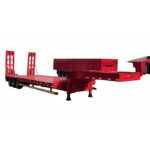
Before asking for a quotation, list the heaviest regular cargo, the usual loading method, the main road surfaces, and the distance between workshops. A fleet moving machinery on a Heavy-Duty Lowboy Semi-Trailer may need different semi trailer suspension priorities than a fleet carrying steel, pipe, or palletized industrial goods on a Heavy-Duty Flatbed Semi-Trailer. The cargo shape also matters: concentrated equipment loads create different stress points than evenly distributed freight.
Route quality is just as important. Smooth highway work can support a different specification from routes with potholes, unpaved jobsite access, steep ramps, or frequent border-yard maneuvering. If your trailers cross regions with different enforcement practices, review official guidance such as the FMCSA cargo securement rules alongside local requirements. Suspension does not replace securement, but stable handling supports safer transport planning.
Mechanical vs air suspension
The two common choices are mechanical suspension and air suspension. Neither is automatically better. The right semi trailer suspension depends on the job and the service environment.
| Selection point | Mechanical suspension | Air suspension |
|---|---|---|
| Typical strength | Simple, durable, familiar to many workshops | Smoother ride and better cargo shock control |
| Best fit | Heavy-duty routes, rough roads, basic service networks | Longer highway work, sensitive cargo, ride-height needs |
| Maintenance focus | Bushings, equalizers, springs, fasteners | Air bags, valves, lines, height control |
| Buyer question | Can local technicians inspect and repair it quickly? | Is the fleet ready to maintain the air system properly? |
Mechanical semi trailer suspension is often preferred where simplicity and ruggedness are the main goals. Air semi trailer suspension can improve ride quality and reduce shock to cargo, but it asks more from inspection discipline. For export buyers, parts availability and mechanic familiarity should be discussed before the order is confirmed.

Practical specification checklist
- Confirm the normal payload range, not only the legal maximum.
- Share road conditions honestly, including jobsite access and unpaved sections.
- Match axle layout, tire size, and semi trailer suspension as one system.
- Ask how the design supports frame stress control under concentrated loads.
- Check whether replacement parts are available in your operating region.
- Request inspection points your maintenance team can follow after delivery.
These questions prevent a common mistake: treating semi trailer suspension as a single component instead of part of the whole trailer structure. The best specification connects deck height, ramp angle, axle position, kingpin load, tire rating, and suspension travel. When those details are aligned, the trailer is easier to operate and easier to maintain.
Maintenance should influence the buying decision
A buyer should also think about the first two years of operation. Will drivers report uneven ride height? Can technicians spot cracked brackets, loose fasteners, damaged air lines, or worn bushings before they become bigger failures? A strong semi trailer suspension specification still needs routine inspection after loading, after rough road trips, and during scheduled service.
If the fleet operates far from major service centers, a simpler system may reduce downtime. If cargo protection, ride comfort, and height control are more valuable, air suspension may justify the extra inspection work. The correct answer is not universal. It depends on where the trailer works, what it carries, and how consistently the fleet maintains it.
Final buying advice
When comparing quotations, do not review semi trailer suspension in isolation. Ask the manufacturer to explain why the recommended system fits your payload, road surface, axle configuration, and maintenance resources. A clear technical explanation is often more valuable than a longer feature list. For heavy-load transport, the right semi trailer suspension is the one that keeps the trailer stable, serviceable, and suitable for the real route your fleet drives every week.
Blog Categories
Contact Us
Latest News
-

Side Curtain Trailer Weatherproofing Checklist for Palletized Freight
-

Container Chassis Landing Gear Matching Guide for Yard Operations
-

Hydraulic Semi-Trailers: How to Choose the Right Model
-
Semi Trailer Electrical Inspection Checklist Before Fleet Dispatch
-

Semi Trailer Underride Guard Inspection Checklist for Fleet Safety
-
Semi Trailer Brake Air Line Routing Guide for Fleet Reliability
-

Semi Trailer Trucks: How to Choose the Right One for Your Business
-
Hydraulic Trailer System Inspection Guide for Heavy Haul Work
-

Tanker Trailer Unloading Hose Guide for Fleet Operators
-
Semi Trailer Fleet Inspection Calendar for Monthly Maintenance Planning
-
Customized Semi Trailer Solutions & Special Purpose Vehicles for Modern Transportation
-
Semi Trailer Import Checklist for Overseas Fleet Buyers
-
Dump Semi Trailer Hydraulic Cylinder Checks Before Site Work
-
Lowbed Trailer Route Survey Checklist for Heavy Equipment Moves
-
Semi Trailer Wheel Bearing Inspection Guide for Long-Distance Fleets
-
Tanker Semi Trailer Manhole Inspection Guide Before Loading
-
Semi Trailer Suspension Inspection Guide for Rough Road Operations
-
Multi-Axle Trailer Guide: How to Choose the Right Axle Configuration for Heavy Cargo
View our industry solutions
Or learn about other industry content
Choosing the wrong semi trailer suspension can shorten tire life, increase cargo vibration, and make a good trailer feel poorly matched to the work. Buyers usually compare axle count, deck height, and payload first, but suspension should be discussed just as early. This guide explains how to match semi trailer suspension to load weight, road conditions, maintenance capacity, and the type of freight your fleet moves.
Table of Contents
Why semi trailer suspension affects fleet costs
A suspension system does more than hold the trailer at ride height. It distributes load through the frame, absorbs impact from rough roads, helps keep tires in contact with the surface, and protects cargo from excessive shock. When semi trailer suspension is too stiff for the route, the trailer may transfer vibration into the deck and cargo. When it is too soft or poorly specified for heavy equipment, stability and tire wear can suffer.
For long-distance freight, the best choice is usually the one that balances comfort, maintenance, and load control. For construction machinery, mining equipment, or regional work on uneven roads, durability and service access may matter more than ride comfort. A practical semi trailer suspension decision starts with the work, not with a generic preference.
Start with cargo and route conditions
Before asking for a quotation, list the heaviest regular cargo, the usual loading method, the main road surfaces, and the distance between workshops. A fleet moving machinery on a Heavy-Duty Lowboy Semi-Trailer may need different semi trailer suspension priorities than a fleet carrying steel, pipe, or palletized industrial goods on a Heavy-Duty Flatbed Semi-Trailer. The cargo shape also matters: concentrated equipment loads create different stress points than evenly distributed freight.
Route quality is just as important. Smooth highway work can support a different specification from routes with potholes, unpaved jobsite access, steep ramps, or frequent border-yard maneuvering. If your trailers cross regions with different enforcement practices, review official guidance such as the FMCSA cargo securement rules alongside local requirements. Suspension does not replace securement, but stable handling supports safer transport planning.
Mechanical vs air suspension
The two common choices are mechanical suspension and air suspension. Neither is automatically better. The right semi trailer suspension depends on the job and the service environment.
| Selection point | Mechanical suspension | Air suspension |
|---|---|---|
| Typical strength | Simple, durable, familiar to many workshops | Smoother ride and better cargo shock control |
| Best fit | Heavy-duty routes, rough roads, basic service networks | Longer highway work, sensitive cargo, ride-height needs |
| Maintenance focus | Bushings, equalizers, springs, fasteners | Air bags, valves, lines, height control |
| Buyer question | Can local technicians inspect and repair it quickly? | Is the fleet ready to maintain the air system properly? |
Mechanical semi trailer suspension is often preferred where simplicity and ruggedness are the main goals. Air semi trailer suspension can improve ride quality and reduce shock to cargo, but it asks more from inspection discipline. For export buyers, parts availability and mechanic familiarity should be discussed before the order is confirmed.
Practical specification checklist
- Confirm the normal payload range, not only the legal maximum.
- Share road conditions honestly, including jobsite access and unpaved sections.
- Match axle layout, tire size, and semi trailer suspension as one system.
- Ask how the design supports frame stress control under concentrated loads.
- Check whether replacement parts are available in your operating region.
- Request inspection points your maintenance team can follow after delivery.
These questions prevent a common mistake: treating semi trailer suspension as a single component instead of part of the whole trailer structure. The best specification connects deck height, ramp angle, axle position, kingpin load, tire rating, and suspension travel. When those details are aligned, the trailer is easier to operate and easier to maintain.
Maintenance should influence the buying decision
A buyer should also think about the first two years of operation. Will drivers report uneven ride height? Can technicians spot cracked brackets, loose fasteners, damaged air lines, or worn bushings before they become bigger failures? A strong semi trailer suspension specification still needs routine inspection after loading, after rough road trips, and during scheduled service.
If the fleet operates far from major service centers, a simpler system may reduce downtime. If cargo protection, ride comfort, and height control are more valuable, air suspension may justify the extra inspection work. The correct answer is not universal. It depends on where the trailer works, what it carries, and how consistently the fleet maintains it.
Final buying advice
When comparing quotations, do not review semi trailer suspension in isolation. Ask the manufacturer to explain why the recommended system fits your payload, road surface, axle configuration, and maintenance resources. A clear technical explanation is often more valuable than a longer feature list. For heavy-load transport, the right semi trailer suspension is the one that keeps the trailer stable, serviceable, and suitable for the real route your fleet drives every week.
Blog Categories
Contact Us
Latest News
-
Container Chassis Inspection Checklist Before Port Dispatch
-
Semi Trailer Suspension Inspection Guide for Rough Road Operations
-

Semi Trailer Load Distribution Guide for Safer Heavy Cargo Transport
-

Side Curtain Trailer Maintenance Checklist for Palletized Freight Fleets
-
Hydraulic Trailer System Inspection Guide for Heavy Haul Work
-

Lowboy Trailer Tire Clearance Guide for Heavy Equipment Loads
-

Flatbed Trailer Loading Surface Guide for Machinery Buyers
-
Semi Trailer After-Sales Support Checklist for Importers
-
Semi Trailer Spare Parts Planning for Fleet Maintenance Teams
-
Semi Trailer Types Explained for Different Transport Industries
-

Driving Efficiency and Safety: Semi‑Trailers and Special Purpose Vehicles
-
Semi Trailer Brake Air Line Routing Guide for Fleet Reliability
-
Container Chassis Selection Guide for Port and Inland Freight
-
Semi Trailer Coupling Height Guide for Safer Tractor Matching
-

E-commerce peak season: Yufei stake trailer, double the efficiency.
-

Tanker Semi Trailer Valve Inspection Checklist Before Dispatch
-
Semi Trailer Electrical Inspection Checklist Before Fleet Dispatch
-

Detachable Gooseneck Trailer: A Practical Guide for Heavy Equipment Transport
View our industry solutions
Or learn about other industry content
Engineering Equipment Transportation:
Custom Trailers Provide Efficient Solutions
Yufei solves the pain points of engineering equipment transportation for a Henan equipment leasing company:
Customer Pain Points:
Insufficient carrying capacity for 35-ton excavators, delays due to poor turning capabilities on narrow construction site roads, and trailer delivery times exceeding 45 days.
Solution:
Customized 80-ton low-bed trailers with 1.2-meter cargo platforms and hydraulic steering, with flexible production lines for expedited delivery.

Hazardous Materials Transportation:
Class A Tank Trucks Enhance Safety and Increase Profits
Yufei solved a core challenge for its logistics partner, Sinopec, in the transportation of hazardous materials:
Customer Pain Points:
Old tank trucks have significant leak risks, a 12-ton self-weight limits cargo capacity, and fuel consumption exceeds 35L.
Solution:
The Class A tanker has 304 stainless tank, triple safety devices and lightweight 0690 structure.

General Logistics:
Stake Trailer Solves Transportation Capacity Challenges
Yufei helps a Shandong logistics company overcome transportation pain points during peak e-commerce seasons:
Customer Pain Points:
Old trailers have slow loading and unloading times, limited capacity for bulky goods, fuel consumption exceeds 32L, and insufficient transportation capacity during peak seasons.
Solution:
Customizable foldable stake trailers, lightweight Q690 steel construction + hydraulic self-unloading.

[Customer Case Studies]
Yufei's customized solutions
Based in Liangshan, Yufei has been specializing in special purpose/semi-trailers since 2008, with real-world service cases worldwide demonstrating its intelligent manufacturing capabilities.
[Customer Case Studies]
Yufei's customized solutions
Based in Liangshan, Yufei has been specializing in special purpose/semi-trailers since 2008, with real-world service cases worldwide demonstrating its intelligent manufacturing capabilities.
Engineering Equipment Transportation:
Custom Trailers Provide Efficient Solutions
Yufei solves the pain points of engineering equipment transportation for a Henan equipment leasing company:
Customer Pain Points:
Insufficient carrying capacity for 35-ton excavators, delays due to poor turning capabilities on narrow construction site roads, and trailer delivery times exceeding 45 days.
Solution:
Customized 80-ton low-bed trailers with 1.2-meter cargo platforms and hydraulic steering, with flexible production lines for expedited delivery.
Hazardous Materials Transportation:
Class A Tank Trucks Enhance Safety and Increase Profits
Yufei solved a core challenge for its logistics partner, Sinopec, in the transportation of hazardous materials:
Customer Pain Points:
Old tank trucks have significant leak risks, a 12-ton self-weight limits cargo capacity, and fuel consumption exceeds 35L.
Solution:
The Class A tanker has 304 stainless tank, triple safety devices and lightweight 0690 structure.
General Logistics:
Stake Trailer Solves Transportation Capacity Challenges
Yufei helps a Shandong logistics company overcome transportation pain points during peak e-commerce seasons:
Customer Pain Points:
Old trailers have slow loading and unloading times, limited capacity for bulky goods, fuel consumption exceeds 32L, and insufficient transportation capacity during peak seasons.
Solution:
Customizable foldable stake trailers, lightweight Q690 steel construction + hydraulic self-unloading.
[Core advantages]
Core Competitiveness
Driven by Intelligence & Service
Strong
R&D Team:
120-member team, 45% senior titles, leading tech

Intelligent
Manufacturing:
Robotic welding, 99%+ precision guarantee

Rapid
Customization:
Flexible lines for diverse needs, 7-day delivery

Strict
Quality Control:
Full-process control, ISO9001 certified

Comprehensive
After-sales:
24h response, lifelong operation support

Industrial
Cluster Adv:
Liangshan base, efficient supply chain

Lightweight
Tech Breakthrough:
Topology optimization, 18% weight reduction

Complete
Qualifications:
CCC certified, Class A for hazardous goods

[Contact us]
Ready to Find Your
Perfect Trailer Solution







