
Semi Trailer Suspension Selection Guide for Heavy Loads</dynamictext
Semi Trailer Suspension Selection Guide for Heavy Loads</dynamictext
Choosing the wrong semi trailer suspension can shorten tire life, increase cargo vibration, and make a good trailer feel poorly matched to the work. Buyers usually compare axle count, deck height, and payload first, but suspension should be discussed just as early. This guide explains how to match semi trailer suspension to load weight, road conditions, maintenance capacity, and the type of freight your fleet moves.
Оглавление

Why semi trailer suspension affects fleet costs
A suspension system does more than hold the trailer at ride height. It distributes load through the frame, absorbs impact from rough roads, helps keep tires in contact with the surface, and protects cargo from excessive shock. When semi trailer suspension is too stiff for the route, the trailer may transfer vibration into the deck and cargo. When it is too soft or poorly specified for heavy equipment, stability and tire wear can suffer.
For long-distance freight, the best choice is usually the one that balances comfort, maintenance, and load control. For construction machinery, mining equipment, or regional work on uneven roads, durability and service access may matter more than ride comfort. A practical semi trailer suspension decision starts with the work, not with a generic preference.
Start with cargo and route conditions
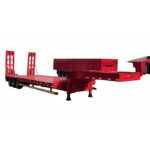
Before asking for a quotation, list the heaviest regular cargo, the usual loading method, the main road surfaces, and the distance between workshops. A fleet moving machinery on a Полуприцеп-тяжеловоз с низким бортом may need different semi trailer suspension priorities than a fleet carrying steel, pipe, or palletized industrial goods on a Тяжелый бортовой полуприцеп. The cargo shape also matters: concentrated equipment loads create different stress points than evenly distributed freight.
Route quality is just as important. Smooth highway work can support a different specification from routes with potholes, unpaved jobsite access, steep ramps, or frequent border-yard maneuvering. If your trailers cross regions with different enforcement practices, review official guidance such as the FMCSA cargo securement rules alongside local requirements. Suspension does not replace securement, but stable handling supports safer transport planning.
Mechanical vs air suspension
The two common choices are mechanical suspension and air suspension. Neither is automatically better. The right semi trailer suspension depends on the job and the service environment.
| Selection point | Mechanical suspension | Air suspension |
|---|---|---|
| Typical strength | Simple, durable, familiar to many workshops | Smoother ride and better cargo shock control |
| Best fit | Heavy-duty routes, rough roads, basic service networks | Longer highway work, sensitive cargo, ride-height needs |
| Maintenance focus | Bushings, equalizers, springs, fasteners | Air bags, valves, lines, height control |
| Buyer question | Can local technicians inspect and repair it quickly? | Is the fleet ready to maintain the air system properly? |
Mechanical semi trailer suspension is often preferred where simplicity and ruggedness are the main goals. Air semi trailer suspension can improve ride quality and reduce shock to cargo, but it asks more from inspection discipline. For export buyers, parts availability and mechanic familiarity should be discussed before the order is confirmed.

Practical specification checklist
- Confirm the normal payload range, not only the legal maximum.
- Share road conditions honestly, including jobsite access and unpaved sections.
- Match axle layout, tire size, and semi trailer suspension as one system.
- Ask how the design supports frame stress control under concentrated loads.
- Check whether replacement parts are available in your operating region.
- Request inspection points your maintenance team can follow after delivery.
These questions prevent a common mistake: treating semi trailer suspension as a single component instead of part of the whole trailer structure. The best specification connects deck height, ramp angle, axle position, kingpin load, tire rating, and suspension travel. When those details are aligned, the trailer is easier to operate and easier to maintain.
Maintenance should influence the buying decision
A buyer should also think about the first two years of operation. Will drivers report uneven ride height? Can technicians spot cracked brackets, loose fasteners, damaged air lines, or worn bushings before they become bigger failures? A strong semi trailer suspension specification still needs routine inspection after loading, after rough road trips, and during scheduled service.
If the fleet operates far from major service centers, a simpler system may reduce downtime. If cargo protection, ride comfort, and height control are more valuable, air suspension may justify the extra inspection work. The correct answer is not universal. It depends on where the trailer works, what it carries, and how consistently the fleet maintains it.
Final buying advice
When comparing quotations, do not review semi trailer suspension in isolation. Ask the manufacturer to explain why the recommended system fits your payload, road surface, axle configuration, and maintenance resources. A clear technical explanation is often more valuable than a longer feature list. For heavy-load transport, the right semi trailer suspension is the one that keeps the trailer stable, serviceable, and suitable for the real route your fleet drives every week.
Категории блога
Свяжитесь с нами
Последние новости
-

Semi Trailer Pre-Delivery Inspection Checklist for Overseas Buyers
-

Container Chassis Selection Guide for Port and Inland Freight
-
Грузовики с полуприцепами: Как выбрать подходящий для вашего бизнеса
-

Semi Trailer Suspension Inspection Guide for Rough Road Operations
-

Semi Trailer Landing Gear Inspection Checklist for Safer Yard Operations
-
Semi Trailer Electrical Inspection Checklist Before Fleet Dispatch
-

Rear Dump Trailer Stability Checklist Before Unloading Loose Material
-
Руководство по многоосным прицепам для перевозки тяжелой техники
-

Semi Trailer Coupling Height Guide for Safer Tractor Matching
-

Съемный полуприцеп: Практическое руководство по перевозке тяжелой техники
-

Tanker Trailer Unloading Hose Guide for Fleet Operators
-

Как выбрать полуприцеп для разных регионов и дорожных условий
-

Юфейская кастомизация: Реконструкция транспортной ценности
-
Производитель низкорамных прицепов: Как выбрать правильного партнера для перевозки тяжелой техники
-

Refrigerated Semi Trailer Door Seal Inspection for Cold Chain Loads
-
Низкорамные полуприцепы для перевозки тяжелой техники
-

Bulk Powder Tanker Air Compressor Matching Guide
Ознакомьтесь с нашими отраслевыми решениями
Или узнайте о других отраслевых материалах
Choosing the wrong semi trailer suspension can shorten tire life, increase cargo vibration, and make a good trailer feel poorly matched to the work. Buyers usually compare axle count, deck height, and payload first, but suspension should be discussed just as early. This guide explains how to match semi trailer suspension to load weight, road conditions, maintenance capacity, and the type of freight your fleet moves.
Оглавление
Why semi trailer suspension affects fleet costs
A suspension system does more than hold the trailer at ride height. It distributes load through the frame, absorbs impact from rough roads, helps keep tires in contact with the surface, and protects cargo from excessive shock. When semi trailer suspension is too stiff for the route, the trailer may transfer vibration into the deck and cargo. When it is too soft or poorly specified for heavy equipment, stability and tire wear can suffer.
For long-distance freight, the best choice is usually the one that balances comfort, maintenance, and load control. For construction machinery, mining equipment, or regional work on uneven roads, durability and service access may matter more than ride comfort. A practical semi trailer suspension decision starts with the work, not with a generic preference.
Start with cargo and route conditions
Before asking for a quotation, list the heaviest regular cargo, the usual loading method, the main road surfaces, and the distance between workshops. A fleet moving machinery on a Полуприцеп-тяжеловоз с низким бортом may need different semi trailer suspension priorities than a fleet carrying steel, pipe, or palletized industrial goods on a Тяжелый бортовой полуприцеп. The cargo shape also matters: concentrated equipment loads create different stress points than evenly distributed freight.
Route quality is just as important. Smooth highway work can support a different specification from routes with potholes, unpaved jobsite access, steep ramps, or frequent border-yard maneuvering. If your trailers cross regions with different enforcement practices, review official guidance such as the FMCSA cargo securement rules alongside local requirements. Suspension does not replace securement, but stable handling supports safer transport planning.
Mechanical vs air suspension
The two common choices are mechanical suspension and air suspension. Neither is automatically better. The right semi trailer suspension depends on the job and the service environment.
| Selection point | Mechanical suspension | Air suspension |
|---|---|---|
| Typical strength | Simple, durable, familiar to many workshops | Smoother ride and better cargo shock control |
| Best fit | Heavy-duty routes, rough roads, basic service networks | Longer highway work, sensitive cargo, ride-height needs |
| Maintenance focus | Bushings, equalizers, springs, fasteners | Air bags, valves, lines, height control |
| Buyer question | Can local technicians inspect and repair it quickly? | Is the fleet ready to maintain the air system properly? |
Mechanical semi trailer suspension is often preferred where simplicity and ruggedness are the main goals. Air semi trailer suspension can improve ride quality and reduce shock to cargo, but it asks more from inspection discipline. For export buyers, parts availability and mechanic familiarity should be discussed before the order is confirmed.
Practical specification checklist
- Confirm the normal payload range, not only the legal maximum.
- Share road conditions honestly, including jobsite access and unpaved sections.
- Match axle layout, tire size, and semi trailer suspension as one system.
- Ask how the design supports frame stress control under concentrated loads.
- Check whether replacement parts are available in your operating region.
- Request inspection points your maintenance team can follow after delivery.
These questions prevent a common mistake: treating semi trailer suspension as a single component instead of part of the whole trailer structure. The best specification connects deck height, ramp angle, axle position, kingpin load, tire rating, and suspension travel. When those details are aligned, the trailer is easier to operate and easier to maintain.
Maintenance should influence the buying decision
A buyer should also think about the first two years of operation. Will drivers report uneven ride height? Can technicians spot cracked brackets, loose fasteners, damaged air lines, or worn bushings before they become bigger failures? A strong semi trailer suspension specification still needs routine inspection after loading, after rough road trips, and during scheduled service.
If the fleet operates far from major service centers, a simpler system may reduce downtime. If cargo protection, ride comfort, and height control are more valuable, air suspension may justify the extra inspection work. The correct answer is not universal. It depends on where the trailer works, what it carries, and how consistently the fleet maintains it.
Final buying advice
When comparing quotations, do not review semi trailer suspension in isolation. Ask the manufacturer to explain why the recommended system fits your payload, road surface, axle configuration, and maintenance resources. A clear technical explanation is often more valuable than a longer feature list. For heavy-load transport, the right semi trailer suspension is the one that keeps the trailer stable, serviceable, and suitable for the real route your fleet drives every week.
Категории блога
Свяжитесь с нами
Последние новости
-
Tanker Semi Trailer Baffle Planning for Liquid Cargo Stability
-
Semi Trailer Maintenance Records Guide for Fleet Buyers
-
Flatbed Trailer Loading Checklist for Safer Heavy Equipment Transport
-

Пик сезона электронной коммерции: прицеп на колесах Yufei, удвоенная эффективность.
-
Semi Trailer Import Checklist for Overseas Fleet Buyers
-

Long Cargo Transport Checklist for Steel, Pipe, and Precast Loads
-
Semi Trailer Fleet Inspection Calendar for Monthly Maintenance Planning
-
Container Chassis Selection Guide for Port and Inland Freight
-
Bulk Powder Tanker Air Compressor Matching Guide
-
Dump Semi Trailer Hydraulic Cylinder Checks Before Site Work
-
Низкорамный прицеп: полный гид по перевозке тяжелой техники
-
Tanker Trailer Unloading Hose Guide for Fleet Operators
-
Multi-Axle Trailer Guide: How to Choose the Right Axle Configuration for Heavy Cargo
-
Semi Trailer Shipping Protection Guide for Overseas Buyers
-
Semi Trailer Tire Maintenance Checklist for Long-Distance Fleets
-
Съемный полуприцеп: Практическое руководство по перевозке тяжелой техники
-
Прицепы для тяжелых грузов: Как правильно выбрать
Ознакомьтесь с нашими отраслевыми решениями
Или узнайте о других отраслевых материалах
Инженерное оборудование Транспорт:
Прицепы на заказ обеспечивают эффективные решения
Юфэй решает проблемы транспортировки инженерного оборудования для компании по лизингу оборудования из Хэнани:
Болевые точки клиентов:
Недостаточная грузоподъемность 35-тонных экскаваторов, задержки из-за плохих возможностей разворота на узких дорогах стройплощадок, а также сроки доставки прицепов, превышающие 45 дней.
Решение:
80-тонные низкорамные полуприцепы с грузовыми платформами длиной 1,2 метра и гидравлическим рулевым управлением, изготовленные по индивидуальному заказу, с гибкими производственными линиями для ускоренной доставки.

Транспортировка опасных материалов:
Грузовики-цистерны класса А повышают безопасность и увеличивают прибыль
Компания Yufei решила основную проблему своего логистического партнера, компании Sinopec, связанную с транспортировкой опасных материалов:
Болевые точки клиентов:
Старые автоцистерны имеют значительный риск утечки, 12-тонный собственный вес ограничивает грузоподъемность, а расход топлива превышает 35 л.
Решение:
Цистерна класса А имеет нержавеющую цистерну 304, тройные предохранительные устройства и легкую конструкцию 0690.

Общая логистика:
Прицеп с кольями решает проблемы с пропускной способностью
Yufei помогает логистической компании из Шаньдуна преодолевать проблемы с транспортировкой в пиковые сезоны электронной коммерции:
Болевые точки клиентов:
Старые прицепы имеют медленное время погрузки и разгрузки, ограниченную вместимость для крупногабаритных грузов, расход топлива превышает 32 л, а в пиковые сезоны не хватает транспортных мощностей.
Решение:
Настраиваемые складные прицепы с кольями, легкая стальная конструкция Q690 + гидравлическая саморазгрузка.

[Примеры из практики клиентов]
Индивидуальные решения Юфэй
Компания Yufei, расположенная в Ляншане, специализируется на производстве полуприцепов специального назначения с 2008 года, а реальные примеры из практики по всему миру демонстрируют ее интеллектуальные производственные возможности.
[Примеры из практики клиентов]
Индивидуальные решения Юфэй
Компания Yufei, расположенная в Ляншане, специализируется на производстве полуприцепов специального назначения с 2008 года, а реальные примеры из практики по всему миру демонстрируют ее интеллектуальные производственные возможности.
Инженерное оборудование Транспорт:
Прицепы на заказ обеспечивают эффективные решения
Юфэй решает проблемы транспортировки инженерного оборудования для компании по лизингу оборудования из Хэнани:
Болевые точки клиентов:
Недостаточная грузоподъемность 35-тонных экскаваторов, задержки из-за плохих возможностей разворота на узких дорогах стройплощадок, а также сроки доставки прицепов, превышающие 45 дней.
Решение:
80-тонные низкорамные полуприцепы с грузовыми платформами длиной 1,2 метра и гидравлическим рулевым управлением, изготовленные по индивидуальному заказу, с гибкими производственными линиями для ускоренной доставки.
Транспортировка опасных материалов:
Грузовики-цистерны класса А повышают безопасность и увеличивают прибыль
Компания Yufei решила основную проблему своего логистического партнера, компании Sinopec, связанную с транспортировкой опасных материалов:
Болевые точки клиентов:
Старые автоцистерны имеют значительный риск утечки, 12-тонный собственный вес ограничивает грузоподъемность, а расход топлива превышает 35 л.
Решение:
Цистерна класса А имеет нержавеющую цистерну 304, тройные предохранительные устройства и легкую конструкцию 0690.
Общая логистика:
Прицеп с кольями решает проблемы с пропускной способностью
Yufei помогает логистической компании из Шаньдуна преодолевать проблемы с транспортировкой в пиковые сезоны электронной коммерции:
Болевые точки клиентов:
Старые прицепы имеют медленное время погрузки и разгрузки, ограниченную вместимость для крупногабаритных грузов, расход топлива превышает 32 л, а в пиковые сезоны не хватает транспортных мощностей.
Решение:
Настраиваемые складные прицепы с кольями, легкая стальная конструкция Q690 + гидравлическая саморазгрузка.
[Основные преимущества]
Основная конкурентоспособность
Интеллект и сервис
Сильный
Команда НИОКР:
Команда из 120 человек, 451 титул старшего классаTP3T, ведущий технический специалист

Интеллектуальный
Производство:
Роботизированная сварка, гарантия точности 99%+

Быстрая
Персонализация:
Гибкие линии для различных потребностей, доставка в течение 7 дней

Строгий
Контроль качества:
Полный контроль процесса, сертификат ISO9001

Всеобъемлющий
Послепродажное обслуживание:
Круглосуточное реагирование, пожизненная эксплуатационная поддержка

Промышленность
Кластер Adv:
База Ляншань, эффективная цепочка поставок

Легкий
Технологический прорыв:
Оптимизация топологии, снижение веса 18%

Полный
Квалификация:
Сертифицировано CCC, класс A для опасных грузов

[Свяжитесь с нами]
Готовы найти свой
Идеальное решение для прицепов







