
Semi Trailer Corrosion Protection Guide for Wet and Coastal Routes
Semi Trailer Corrosion Protection Guide for Wet and Coastal Routes
Semi trailer corrosion protection matters most when trailers work in rain, coastal air, muddy yards, road spray, or long outdoor storage. Rust rarely starts as a dramatic failure. It usually begins around welds, stone chips, drainage traps, fasteners, deck edges, and hidden contact points where water and dirt stay longer than the driver expects.
This guide gives fleet managers, buyers, and maintenance teams a practical semi trailer corrosion protection routine that can be used before purchasing, during inspection, and after demanding routes. It is not a substitute for local maintenance rules, but it helps teams ask better questions and stop small damage from becoming structural repair work.

Why Corrosion Starts Early
A trailer may look clean from a distance while exposed edges are already losing coating. Salt air, standing water, fertilizer dust, cement residue, and abrasive road dirt can all shorten the life of paint and protective layers. Semi trailer corrosion protection starts with understanding where moisture can sit and where metal is most likely to be hit, scratched, or rubbed during normal work.
The basic science of corrosion is simple enough: exposed metal reacts with its environment. In transport work, the hard part is controlling the environment around a moving asset that sees different cargo, routes, weather, and cleaning habits every week.
Inspect Coating Before the Route Gets Hard
A good semi trailer corrosion protection check begins with the coating. Walk around the chassis and look for peeling paint, bubbling, exposed primer, fresh scratches, or rough orange staining. Pay close attention to the front area behind the tractor, the lower frame, landing gear mounts, suspension brackets, rear bumper, and deck edges because these zones often receive road spray and impact damage. Treat semi trailer corrosion protection as a dispatch issue when coating loss appears near load-bearing parts.
Focus on Welds, Edges, and Drainage Points
Weld seams, gussets, brackets, bolt holes, and sharp corners deserve extra attention. Coating can be thinner at edges, and dirt can collect where plates overlap. During semi trailer corrosion protection inspections, use a light and look behind cross members, inside toolboxes, around side guards, and near mudguard supports. Drain holes should stay open so wash water and rainwater do not remain trapped.

Match Protection to Cargo and Climate
A trailer carrying dry packaged cargo on inland highways has different exposure from a trailer working near ports, mines, farms, or winter roads. Semi trailer corrosion protection should match the duty cycle. Wet routes may require more frequent washing and coating checks. Abrasive cargo sites may need stronger attention to stone chips, floor contact zones, and underside impact marks.
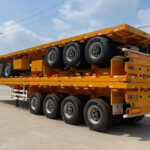
For fleets reviewing a Semirremolque de plataforma pesada, corrosion questions should cover floor material, side rail design, tie-down pockets, coating access, and how easily the operator can clean the deck after mixed industrial cargo. Semi trailer corrosion protection is easier when buyers think about cleaning access before the trailer enters daily service.
Corrosion Risk Review Table
The table below helps teams decide where semi trailer corrosion protection work should be most frequent.
| Area to check | Common risk | Practical action |
|---|---|---|
| Lower frame and cross members | Road spray, mud, and trapped water | Wash, dry, and inspect coating breaks |
| Weld seams and brackets | Thin coating or early rust lines | Clean closely and repair coating damage |
| Deck and side rails | Cargo abrasion and forklift contact | Check scratches after loading cycles |
| Fasteners and hinges | Moisture around moving parts | Inspect hardware and replace badly corroded parts |
| Toolboxes and enclosed pockets | Poor drainage and hidden dirt | Keep drainage clear and remove residue |
Clean and Dry Trailers Before Parking
Washing helps only when it removes corrosive residue and allows the trailer to dry. After wet yard work, coastal operation, or dusty cargo, rinse the underside, suspension area, and deck contact points where residue gathers. Semi trailer corrosion protection also depends on parking habits: avoid leaving trailers in deep mud, standing water, or areas where plant debris holds moisture against the frame. Simple semi trailer corrosion protection records help teams see whether washing and parking changes are working.

Repair Small Damage Before It Spreads
Small coating failures should be repaired before rust spreads under the surrounding paint. Clean the area, remove loose material, follow the coating supplier’s repair process, and record the repair date. If corrosion appears near structural welds, suspension mounts, kingpin areas, or load-bearing components, stop guessing and ask a qualified maintenance technician to inspect it. Semi trailer corrosion protection should support safety, not hide damage.
Build Protection into Purchasing Decisions
Buyers should discuss corrosion exposure before confirming a trailer specification. Useful questions include where the trailer will park, how often it will be washed, whether it will work near ports or mines, what cargo residue is common, and which areas need easy inspection access. In Logística general Transporte, a practical semi trailer corrosion protection plan can be as important as payload, axle layout, or loading method.
Final Checklist for Fleet Teams
Before dispatch, check visible coating, weld seams, drainage points, fasteners, deck damage, lights, and suspension brackets. After harsh routes, wash away residue and record any rust, bubbling, or paint loss. At scheduled service, compare repeated damage points across the fleet so purchasing and maintenance teams can improve the next specification. This makes semi trailer corrosion protection a routine operating habit instead of a late repair response.
Consistent semi trailer corrosion protection is not about making every trailer look new. It is about keeping critical metal protected, making defects visible early, and extending useful service life through disciplined inspection and repair. If your fleet works in wet, coastal, or abrasive routes, share those conditions with YF Trailer before ordering so the trailer configuration and maintenance plan fit the real job.
Categorías de blogs
Contacte con nosotros
Últimas noticias
-
Semi Trailer Load Distribution Guide for Safer Heavy Cargo Transport
-

Remolques de gran tonelaje: Cómo elegir el adecuado
-

Personalización de Yufei: Reconstruir el valor del transporte
-
Tanker Semi Trailer Cleaning Preparation Before Cargo Changeover
-
Container Chassis Landing Gear Matching Guide for Yard Operations
-

Rear Dump Semi Trailer Selection Guide for Aggregate and Jobsite Work
-

Semi Trailer Fleet Inspection Calendar for Monthly Maintenance Planning
-

Long Cargo Transport Checklist for Steel, Pipe, and Precast Loads
-

La colaboración en la cadena de suministro y los remolques crean un ecosistema entre la industria y el mundo académico
-

Trailer Export Inspection Checklist for Overseas Buyers
-

Tanker Semi Trailer Manhole Inspection Guide Before Loading
-

Refrigerated Semi Trailer Door Seal Inspection for Cold Chain Loads
-
Tanker Semi Trailer Baffle Planning for Liquid Cargo Stability
-
Tanker Semi Trailer Compartment Planning for Safer Liquid Cargo Dispatch
-

Special Purpose Trailer Maintenance Schedule for Fleet Reliability
-
Semi Trailer Electrical Inspection Checklist Before Fleet Dispatch
-
Eficiencia y seguridad en la conducción: Semirremolques y vehículos especiales
-
Tanker Semi Trailer Valve Inspection Checklist Before Dispatch
Vea nuestras soluciones sectoriales
O infórmese sobre otros contenidos del sector
Semi trailer corrosion protection matters most when trailers work in rain, coastal air, muddy yards, road spray, or long outdoor storage. Rust rarely starts as a dramatic failure. It usually begins around welds, stone chips, drainage traps, fasteners, deck edges, and hidden contact points where water and dirt stay longer than the driver expects.
This guide gives fleet managers, buyers, and maintenance teams a practical semi trailer corrosion protection routine that can be used before purchasing, during inspection, and after demanding routes. It is not a substitute for local maintenance rules, but it helps teams ask better questions and stop small damage from becoming structural repair work.
Why Corrosion Starts Early
A trailer may look clean from a distance while exposed edges are already losing coating. Salt air, standing water, fertilizer dust, cement residue, and abrasive road dirt can all shorten the life of paint and protective layers. Semi trailer corrosion protection starts with understanding where moisture can sit and where metal is most likely to be hit, scratched, or rubbed during normal work.
The basic science of corrosion is simple enough: exposed metal reacts with its environment. In transport work, the hard part is controlling the environment around a moving asset that sees different cargo, routes, weather, and cleaning habits every week.
Inspect Coating Before the Route Gets Hard
A good semi trailer corrosion protection check begins with the coating. Walk around the chassis and look for peeling paint, bubbling, exposed primer, fresh scratches, or rough orange staining. Pay close attention to the front area behind the tractor, the lower frame, landing gear mounts, suspension brackets, rear bumper, and deck edges because these zones often receive road spray and impact damage. Treat semi trailer corrosion protection as a dispatch issue when coating loss appears near load-bearing parts.
Focus on Welds, Edges, and Drainage Points
Weld seams, gussets, brackets, bolt holes, and sharp corners deserve extra attention. Coating can be thinner at edges, and dirt can collect where plates overlap. During semi trailer corrosion protection inspections, use a light and look behind cross members, inside toolboxes, around side guards, and near mudguard supports. Drain holes should stay open so wash water and rainwater do not remain trapped.
Match Protection to Cargo and Climate
A trailer carrying dry packaged cargo on inland highways has different exposure from a trailer working near ports, mines, farms, or winter roads. Semi trailer corrosion protection should match the duty cycle. Wet routes may require more frequent washing and coating checks. Abrasive cargo sites may need stronger attention to stone chips, floor contact zones, and underside impact marks.
For fleets reviewing a Semirremolque de plataforma pesada, corrosion questions should cover floor material, side rail design, tie-down pockets, coating access, and how easily the operator can clean the deck after mixed industrial cargo. Semi trailer corrosion protection is easier when buyers think about cleaning access before the trailer enters daily service.
Corrosion Risk Review Table
The table below helps teams decide where semi trailer corrosion protection work should be most frequent.
| Area to check | Common risk | Practical action |
|---|---|---|
| Lower frame and cross members | Road spray, mud, and trapped water | Wash, dry, and inspect coating breaks |
| Weld seams and brackets | Thin coating or early rust lines | Clean closely and repair coating damage |
| Deck and side rails | Cargo abrasion and forklift contact | Check scratches after loading cycles |
| Fasteners and hinges | Moisture around moving parts | Inspect hardware and replace badly corroded parts |
| Toolboxes and enclosed pockets | Poor drainage and hidden dirt | Keep drainage clear and remove residue |
Clean and Dry Trailers Before Parking
Washing helps only when it removes corrosive residue and allows the trailer to dry. After wet yard work, coastal operation, or dusty cargo, rinse the underside, suspension area, and deck contact points where residue gathers. Semi trailer corrosion protection also depends on parking habits: avoid leaving trailers in deep mud, standing water, or areas where plant debris holds moisture against the frame. Simple semi trailer corrosion protection records help teams see whether washing and parking changes are working.
Repair Small Damage Before It Spreads
Small coating failures should be repaired before rust spreads under the surrounding paint. Clean the area, remove loose material, follow the coating supplier’s repair process, and record the repair date. If corrosion appears near structural welds, suspension mounts, kingpin areas, or load-bearing components, stop guessing and ask a qualified maintenance technician to inspect it. Semi trailer corrosion protection should support safety, not hide damage.
Build Protection into Purchasing Decisions
Buyers should discuss corrosion exposure before confirming a trailer specification. Useful questions include where the trailer will park, how often it will be washed, whether it will work near ports or mines, what cargo residue is common, and which areas need easy inspection access. In Logística general Transporte, a practical semi trailer corrosion protection plan can be as important as payload, axle layout, or loading method.
Final Checklist for Fleet Teams
Before dispatch, check visible coating, weld seams, drainage points, fasteners, deck damage, lights, and suspension brackets. After harsh routes, wash away residue and record any rust, bubbling, or paint loss. At scheduled service, compare repeated damage points across the fleet so purchasing and maintenance teams can improve the next specification. This makes semi trailer corrosion protection a routine operating habit instead of a late repair response.
Consistent semi trailer corrosion protection is not about making every trailer look new. It is about keeping critical metal protected, making defects visible early, and extending useful service life through disciplined inspection and repair. If your fleet works in wet, coastal, or abrasive routes, share those conditions with YF Trailer before ordering so the trailer configuration and maintenance plan fit the real job.
Categorías de blogs
Contacte con nosotros
Últimas noticias
-
Rear Dump Trailer Stability Checklist Before Unloading Loose Material
-
Semirremolques hidráulicos en 2026: navegación por un panorama en evolución
-

Heavy Haul Trailer Guide: Types, Specs & Buying Tips
-
Guía de Remolque Multieje para Transporte de Equipo Pesado
-

Temporada alta de comercio electrónico: remolque de estacas Yufei, el doble de eficacia.
-
Container Chassis Landing Gear Matching Guide for Yard Operations
-

Bulk Powder Tanker Air Line Inspection Before Dry Bulk Loading
-
Lowbed Trailer Neck Design Guide for Equipment Transport
-
Semi Trailer Types Explained for Different Transport Industries
-
Container Chassis Inspection Checklist Before Port Dispatch
-
Bulk Powder Tanker Loading Plan for Cleaner Dry Bulk Dispatch
-
Personalización de Yufei: Reconstruir el valor del transporte
-

Yufei galardonada con el título de “PYME con especialidad”, fortaleza de referencia
-

Transporte peligroso: Yufei Tanker, seguro y conforme a las normas
-
Semi Trailer Maintenance Records Guide for Fleet Buyers
-
Skeletal Trailer Kingpin Area Inspection for Container Fleets
-
Lowbed Trailer Hydraulic Ramp Guide for Equipment Loading
Vea nuestras soluciones sectoriales
O infórmese sobre otros contenidos del sector
Equipos de ingeniería Transporte:
Los remolques a medida ofrecen soluciones eficientes
Yufei resuelve los problemas de transporte de equipos de ingeniería para una empresa de arrendamiento de equipos de Henan:
Puntos débiles de los clientes:
Capacidad de carga insuficiente para excavadoras de 35 toneladas, retrasos debidos a la escasa capacidad de giro en carreteras de obra estrechas y plazos de entrega de los remolques superiores a 45 días.
Solución:
Remolques de plataforma baja personalizados de 80 toneladas con plataformas de carga de 1,2 metros y dirección hidráulica, con líneas de producción flexibles para entregas rápidas.

Transporte de materiales peligrosos:
Los camiones cisterna de clase A mejoran la seguridad y aumentan los beneficios
Yufei resolvió un reto fundamental para su socio logístico, Sinopec, en el transporte de materiales peligrosos:
Puntos débiles de los clientes:
Los camiones cisterna antiguos presentan importantes riesgos de fuga, un peso propio de 12 toneladas limita la capacidad de carga y el consumo de combustible supera los 35 litros.
Solución:
La cisterna de clase A cuenta con un depósito de acero inoxidable 304, dispositivos de seguridad triples y una estructura ligera 0690.

Logística general:
Un remolque con estacas resuelve los problemas de capacidad de transporte
Yufei ayuda a una empresa logística de Shandong a superar los problemas de transporte durante las temporadas altas del comercio electrónico:
Puntos débiles de los clientes:
Los remolques viejos tienen tiempos de carga y descarga lentos, capacidad limitada para mercancías voluminosas, un consumo de combustible superior a 32 litros y una capacidad de transporte insuficiente durante las temporadas altas.
Solución:
Remolques de estacas plegables personalizables, construcción ligera de acero Q690 + autodescarga hidráulica.

[Casos prácticos de clientes]
Soluciones personalizadas de Yufei
Con sede en Liangshan, Yufei se ha especializado en semirremolques para usos especiales desde 2008, con casos de servicio reales en todo el mundo que demuestran su capacidad de fabricación inteligente.
[Casos prácticos de clientes]
Soluciones personalizadas de Yufei
Con sede en Liangshan, Yufei se ha especializado en semirremolques para usos especiales desde 2008, con casos de servicio reales en todo el mundo que demuestran su capacidad de fabricación inteligente.
Equipos de ingeniería Transporte:
Los remolques a medida ofrecen soluciones eficientes
Yufei resuelve los problemas de transporte de equipos de ingeniería para una empresa de arrendamiento de equipos de Henan:
Puntos débiles de los clientes:
Capacidad de carga insuficiente para excavadoras de 35 toneladas, retrasos debidos a la escasa capacidad de giro en carreteras de obra estrechas y plazos de entrega de los remolques superiores a 45 días.
Solución:
Remolques de plataforma baja personalizados de 80 toneladas con plataformas de carga de 1,2 metros y dirección hidráulica, con líneas de producción flexibles para entregas rápidas.
Transporte de materiales peligrosos:
Los camiones cisterna de clase A mejoran la seguridad y aumentan los beneficios
Yufei resolvió un reto fundamental para su socio logístico, Sinopec, en el transporte de materiales peligrosos:
Puntos débiles de los clientes:
Los camiones cisterna antiguos presentan importantes riesgos de fuga, un peso propio de 12 toneladas limita la capacidad de carga y el consumo de combustible supera los 35 litros.
Solución:
La cisterna de clase A cuenta con un depósito de acero inoxidable 304, dispositivos de seguridad triples y una estructura ligera 0690.
Logística general:
Un remolque con estacas resuelve los problemas de capacidad de transporte
Yufei ayuda a una empresa logística de Shandong a superar los problemas de transporte durante las temporadas altas del comercio electrónico:
Puntos débiles de los clientes:
Los remolques viejos tienen tiempos de carga y descarga lentos, capacidad limitada para mercancías voluminosas, un consumo de combustible superior a 32 litros y una capacidad de transporte insuficiente durante las temporadas altas.
Solución:
Remolques de estacas plegables personalizables, construcción ligera de acero Q690 + autodescarga hidráulica.
[Ventajas principales]
Competitividad básica
Impulsados por la inteligencia y el servicio
Fuerte
Equipo de I+D:
Equipo de 120 miembros, 451 títulos seniorTP3T, tecnología punta

Inteligente
Fabricación:
Soldadura robotizada, garantía de precisión 99%

Rápido
Personalización:
Líneas flexibles para necesidades diversas, entrega en 7 días

Estricto
Control de calidad:
Control total del proceso, certificación ISO9001

Completo
Postventa:
Respuesta 24 horas, asistencia operativa de por vida

Industrial
Grupo Adv:
Base de Liangshan, cadena de suministro eficiente

Ligero
Avance tecnológico:
Optimización de la topología, reducción de peso 18%

Complete
Cualificaciones:
Certificado CCC, Clase A para mercancías peligrosas

[Contáctenos]
Listo para encontrar su
Solución de remolque perfecta







