
Semi Trailer Electrical Inspection Checklist Before Fleet Dispatch
Semi Trailer Electrical Inspection Checklist Before Fleet Dispatch

Start With the Power Connection
Every semi trailer electrical inspection should begin at the tractor-to-trailer connection. Check that the plug seats firmly, the cable is not stretched during turns, and the socket cover closes properly when disconnected. Look for bent pins, cracked housings, loose locking tabs, and signs of green or white corrosion. If the trailer uses an adapter, confirm it is rated for the equipment and is not being used to hide a damaged connector.Check All Required Lights in Sequence
Work in a fixed order so no light is skipped: tail lamps, brake lamps, turn signals, reverse lamps, side markers, clearance lamps, license plate light, and hazard flashers. During a semi trailer electrical inspection, one person should operate the controls while another walks around the trailer. If the fleet runs at night, in ports, or on busy jobsite roads, weak lamps should be treated as a dispatch issue rather than a cosmetic problem.| Check point | What to confirm | Common fault |
|---|---|---|
| Connector | Firm fit, clean pins, no cracked cover | Intermittent power loss |
| Marker lights | Even brightness on both sides | Loose ground or damaged lens |
| Harness | Protected routing away from sharp edges | Rubbed insulation |
Inspect Harness Routing and Protection
The wiring harness should be secured away from moving suspension parts, tire spray, sharp frame edges, and areas where cargo chains or forklifts may strike it. A practical semi trailer electrical inspection includes looking under the frame, around crossmembers, and near rear impact protection. Any hanging loop, crushed conduit, or exposed copper deserves attention before vibration turns it into a complete lighting failure.
Look for Moisture, Corrosion, and Ground Problems
Electrical faults often appear after rain, washing, winter road chemicals, or repeated loading in dusty yards. During the semi trailer electrical inspection, open accessible lamp housings only when the maintenance procedure allows it, and check for water staining, cloudy lenses, damaged seals, or loose ground points. Cleaning a connection may help, but repeated corrosion usually means the seal, routing, or component needs repair.Match the Checklist to Trailer Type
Different body styles expose wiring to different risks. A skeletal chassis may need extra attention around twist-lock areas and rear lamps, while a side curtain trailer may have more marker lights along the body. Fleets comparing equipment in the semi-trailer truck series should include electrical access and lamp protection in their specification review. The same semi trailer electrical inspection habit applies, but the high-risk zones change by trailer design.Confirm Reflective Devices and Visibility
Lighting is only part of visibility. Reflective tape, conspicuity markings, lenses, and rear warning surfaces should be clean and intact. The FMCSA lamp and reflector requirements are a useful reference for teams operating under U.S. rules. For other markets, verify the local standard instead of assuming one checklist fits every region. A disciplined semi trailer electrical inspection should always reflect the route and operating jurisdiction.Record Faults Before They Become Roadside Repairs
A checklist is only useful if defects are recorded clearly. Note the lamp position, symptom, trailer number, and whether the fault is constant or intermittent. If the semi trailer electrical inspection finds a repeated issue on the same circuit, maintenance should look beyond the bulb and check grounds, connectors, harness wear, and voltage supply. Good records also help buyers decide whether future trailers need improved harness protection or easier service access.
Use the Checklist During Procurement Reviews
For new equipment, the inspection routine can guide specification discussions. Buyers reviewing a special purpose vehicle series should ask how wiring is routed, how lamps are mounted, and how vulnerable areas are protected from water, stones, and cargo contact. A semi trailer electrical inspection is easier when the trailer design gives technicians safe access to common service points.When to Stop Dispatch
Dispatch should pause when brake lights fail, turn signals are unreliable, hazard lamps do not work, exposed wiring could short, or marker lights are missing on a route where visibility is critical. Minor issues can become major if the trailer will run at night, through bad weather, or across inspection points. The best semi trailer electrical inspection is short, repeatable, and strict enough to keep unsafe equipment out of service until it is repaired.Practical FAQ
How often should fleets perform a semi trailer electrical inspection? Before every dispatch, with deeper electrical checks during scheduled maintenance. What causes intermittent trailer lighting? Common causes include loose plugs, weak grounds, corroded pins, rubbed harness insulation, and damaged lamp seals. Can one semi trailer electrical inspection checklist work for every trailer? Use one core process, then add trailer-specific items for chassis, tankers, curtain trailers, dump trailers, or heavy haul equipment. Should drivers repair wiring on the road? Drivers should follow company policy. Temporary fixes should never replace proper diagnosis and workshop repair. What should buyers ask manufacturers? Ask about harness protection, lamp quality, connector access, sealing, grounding points, and service documentation.Final Takeaway
A consistent semi trailer electrical inspection protects drivers, cargo schedules, and fleet compliance. Keep the routine simple enough for daily use, document defects, and choose trailer designs that make electrical service straightforward. This daily semi trailer electrical inspection should be short enough to repeat but detailed enough to catch the faults that stop a trailer on the road. When the team treats semi trailer electrical inspection notes as maintenance signals, recurring faults become easier to solve.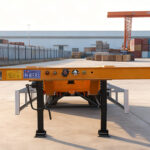
Categorías de blogs
Contacte con nosotros
Últimas noticias
-

Remolques de gran tonelaje: Cómo elegir el adecuado
-

Semi Trailer Suspension Selection Guide for Heavy Loads
-
Hydraulic Trailer System Inspection Guide for Heavy Haul Work
-

Semi Trailer Fleet Inspection Calendar for Monthly Maintenance Planning
-

Soluciones personalizadas de semirremolques y vehículos especiales para el transporte moderno
-
Special Purpose Trailer Maintenance Schedule for Fleet Reliability
-
Semi Trailer After-Sales Support Checklist for Importers
-
Side Curtain Trailer Maintenance Checklist for Palletized Freight Fleets
-

Trailer Export Inspection Checklist for Overseas Buyers
-

Flatbed Trailer Side Rail Guide for Mixed Industrial Cargo
-
Semi Trailer Export Documentation Checklist for Overseas Buyers
-

Remolque de cama baja vs. Remolque de plataforma plana: ¿Cuál es el adecuado para sus necesidades de transporte?
-
Dump Semi Trailer Hydraulic Cylinder Checks Before Site Work
-
Semi Trailer Spare Parts Planning for Fleet Maintenance Teams
-

Semi Trailer Coupling Height Guide for Safer Tractor Matching
-

Cargas pesadas aseguradas: Remolque de plataforma baja Yufei
-

Temporada alta de comercio electrónico: remolque de estacas Yufei, el doble de eficacia.
Vea nuestras soluciones sectoriales
O infórmese sobre otros contenidos del sector
Start With the Power Connection
Every semi trailer electrical inspection should begin at the tractor-to-trailer connection. Check that the plug seats firmly, the cable is not stretched during turns, and the socket cover closes properly when disconnected. Look for bent pins, cracked housings, loose locking tabs, and signs of green or white corrosion. If the trailer uses an adapter, confirm it is rated for the equipment and is not being used to hide a damaged connector.Check All Required Lights in Sequence
Work in a fixed order so no light is skipped: tail lamps, brake lamps, turn signals, reverse lamps, side markers, clearance lamps, license plate light, and hazard flashers. During a semi trailer electrical inspection, one person should operate the controls while another walks around the trailer. If the fleet runs at night, in ports, or on busy jobsite roads, weak lamps should be treated as a dispatch issue rather than a cosmetic problem.| Check point | What to confirm | Common fault |
|---|---|---|
| Connector | Firm fit, clean pins, no cracked cover | Intermittent power loss |
| Marker lights | Even brightness on both sides | Loose ground or damaged lens |
| Harness | Protected routing away from sharp edges | Rubbed insulation |
Inspect Harness Routing and Protection
The wiring harness should be secured away from moving suspension parts, tire spray, sharp frame edges, and areas where cargo chains or forklifts may strike it. A practical semi trailer electrical inspection includes looking under the frame, around crossmembers, and near rear impact protection. Any hanging loop, crushed conduit, or exposed copper deserves attention before vibration turns it into a complete lighting failure.Look for Moisture, Corrosion, and Ground Problems
Electrical faults often appear after rain, washing, winter road chemicals, or repeated loading in dusty yards. During the semi trailer electrical inspection, open accessible lamp housings only when the maintenance procedure allows it, and check for water staining, cloudy lenses, damaged seals, or loose ground points. Cleaning a connection may help, but repeated corrosion usually means the seal, routing, or component needs repair.Match the Checklist to Trailer Type
Different body styles expose wiring to different risks. A skeletal chassis may need extra attention around twist-lock areas and rear lamps, while a side curtain trailer may have more marker lights along the body. Fleets comparing equipment in the semi-trailer truck series should include electrical access and lamp protection in their specification review. The same semi trailer electrical inspection habit applies, but the high-risk zones change by trailer design.Confirm Reflective Devices and Visibility
Lighting is only part of visibility. Reflective tape, conspicuity markings, lenses, and rear warning surfaces should be clean and intact. The FMCSA lamp and reflector requirements are a useful reference for teams operating under U.S. rules. For other markets, verify the local standard instead of assuming one checklist fits every region. A disciplined semi trailer electrical inspection should always reflect the route and operating jurisdiction.Record Faults Before They Become Roadside Repairs
A checklist is only useful if defects are recorded clearly. Note the lamp position, symptom, trailer number, and whether the fault is constant or intermittent. If the semi trailer electrical inspection finds a repeated issue on the same circuit, maintenance should look beyond the bulb and check grounds, connectors, harness wear, and voltage supply. Good records also help buyers decide whether future trailers need improved harness protection or easier service access.Use the Checklist During Procurement Reviews
For new equipment, the inspection routine can guide specification discussions. Buyers reviewing a special purpose vehicle series should ask how wiring is routed, how lamps are mounted, and how vulnerable areas are protected from water, stones, and cargo contact. A semi trailer electrical inspection is easier when the trailer design gives technicians safe access to common service points.When to Stop Dispatch
Dispatch should pause when brake lights fail, turn signals are unreliable, hazard lamps do not work, exposed wiring could short, or marker lights are missing on a route where visibility is critical. Minor issues can become major if the trailer will run at night, through bad weather, or across inspection points. The best semi trailer electrical inspection is short, repeatable, and strict enough to keep unsafe equipment out of service until it is repaired.Practical FAQ
How often should fleets perform a semi trailer electrical inspection? Before every dispatch, with deeper electrical checks during scheduled maintenance. What causes intermittent trailer lighting? Common causes include loose plugs, weak grounds, corroded pins, rubbed harness insulation, and damaged lamp seals. Can one semi trailer electrical inspection checklist work for every trailer? Use one core process, then add trailer-specific items for chassis, tankers, curtain trailers, dump trailers, or heavy haul equipment. Should drivers repair wiring on the road? Drivers should follow company policy. Temporary fixes should never replace proper diagnosis and workshop repair. What should buyers ask manufacturers? Ask about harness protection, lamp quality, connector access, sealing, grounding points, and service documentation.Final Takeaway
A consistent semi trailer electrical inspection protects drivers, cargo schedules, and fleet compliance. Keep the routine simple enough for daily use, document defects, and choose trailer designs that make electrical service straightforward. This daily semi trailer electrical inspection should be short enough to repeat but detailed enough to catch the faults that stop a trailer on the road. When the team treats semi trailer electrical inspection notes as maintenance signals, recurring faults become easier to solve.Categorías de blogs
Contacte con nosotros
Últimas noticias
-

La colaboración en la cadena de suministro y los remolques crean un ecosistema entre la industria y el mundo académico
-

Rear Dump Semi Trailer Selection Guide for Aggregate and Jobsite Work
-
Semi Trailer Fleet Inspection Calendar for Monthly Maintenance Planning
-
Lowbed Trailer Neck Design Guide for Equipment Transport
-
Dump Semi Trailer Hydraulic Cylinder Checks Before Site Work
-
Side Curtain Trailer Loading Access Guide for Pallet Freight
-
Semi Trailer Frame Inspection Guide for Heavy-Duty Buyers
-
Cómo elegir soluciones de semirremolque para diferentes regiones y condiciones de la carretera
-

Bulk Powder Tanker Loading Plan for Cleaner Dry Bulk Dispatch
-
Remolque de cama baja vs. Remolque de plataforma plana: ¿Cuál es el adecuado para sus necesidades de transporte?
-

Tanker Semi Trailer Valve Inspection Checklist Before Dispatch
-
Container Chassis Twist Lock Inspection Guide for Port Fleets
-
Semi Trailer After-Sales Support Checklist for Importers
-
Skeletal Trailer Kingpin Area Inspection for Container Fleets
-
Semi Trailer Maintenance Records Guide for Fleet Buyers
-
Flatbed Trailer Loading Surface Guide for Machinery Buyers
-

Remolque Cuello de Cisne Desmontable: Guía práctica para el transporte de maquinaria pesada
-
Capacidad del remolque de cama baja: Guía completa para el transporte de equipos pesados
Vea nuestras soluciones sectoriales
O infórmese sobre otros contenidos del sector
Equipos de ingeniería Transporte:
Los remolques a medida ofrecen soluciones eficientes
Yufei resuelve los problemas de transporte de equipos de ingeniería para una empresa de arrendamiento de equipos de Henan:
Puntos débiles de los clientes:
Capacidad de carga insuficiente para excavadoras de 35 toneladas, retrasos debidos a la escasa capacidad de giro en carreteras de obra estrechas y plazos de entrega de los remolques superiores a 45 días.
Solución:
Remolques de plataforma baja personalizados de 80 toneladas con plataformas de carga de 1,2 metros y dirección hidráulica, con líneas de producción flexibles para entregas rápidas.

Transporte de materiales peligrosos:
Los camiones cisterna de clase A mejoran la seguridad y aumentan los beneficios
Yufei resolvió un reto fundamental para su socio logístico, Sinopec, en el transporte de materiales peligrosos:
Puntos débiles de los clientes:
Los camiones cisterna antiguos presentan importantes riesgos de fuga, un peso propio de 12 toneladas limita la capacidad de carga y el consumo de combustible supera los 35 litros.
Solución:
La cisterna de clase A cuenta con un depósito de acero inoxidable 304, dispositivos de seguridad triples y una estructura ligera 0690.

Logística general:
Un remolque con estacas resuelve los problemas de capacidad de transporte
Yufei ayuda a una empresa logística de Shandong a superar los problemas de transporte durante las temporadas altas del comercio electrónico:
Puntos débiles de los clientes:
Los remolques viejos tienen tiempos de carga y descarga lentos, capacidad limitada para mercancías voluminosas, un consumo de combustible superior a 32 litros y una capacidad de transporte insuficiente durante las temporadas altas.
Solución:
Remolques de estacas plegables personalizables, construcción ligera de acero Q690 + autodescarga hidráulica.

[Casos prácticos de clientes]
Soluciones personalizadas de Yufei
Con sede en Liangshan, Yufei se ha especializado en semirremolques para usos especiales desde 2008, con casos de servicio reales en todo el mundo que demuestran su capacidad de fabricación inteligente.
[Casos prácticos de clientes]
Soluciones personalizadas de Yufei
Con sede en Liangshan, Yufei se ha especializado en semirremolques para usos especiales desde 2008, con casos de servicio reales en todo el mundo que demuestran su capacidad de fabricación inteligente.
Equipos de ingeniería Transporte:
Los remolques a medida ofrecen soluciones eficientes
Yufei resuelve los problemas de transporte de equipos de ingeniería para una empresa de arrendamiento de equipos de Henan:
Puntos débiles de los clientes:
Capacidad de carga insuficiente para excavadoras de 35 toneladas, retrasos debidos a la escasa capacidad de giro en carreteras de obra estrechas y plazos de entrega de los remolques superiores a 45 días.
Solución:
Remolques de plataforma baja personalizados de 80 toneladas con plataformas de carga de 1,2 metros y dirección hidráulica, con líneas de producción flexibles para entregas rápidas.
Transporte de materiales peligrosos:
Los camiones cisterna de clase A mejoran la seguridad y aumentan los beneficios
Yufei resolvió un reto fundamental para su socio logístico, Sinopec, en el transporte de materiales peligrosos:
Puntos débiles de los clientes:
Los camiones cisterna antiguos presentan importantes riesgos de fuga, un peso propio de 12 toneladas limita la capacidad de carga y el consumo de combustible supera los 35 litros.
Solución:
La cisterna de clase A cuenta con un depósito de acero inoxidable 304, dispositivos de seguridad triples y una estructura ligera 0690.
Logística general:
Un remolque con estacas resuelve los problemas de capacidad de transporte
Yufei ayuda a una empresa logística de Shandong a superar los problemas de transporte durante las temporadas altas del comercio electrónico:
Puntos débiles de los clientes:
Los remolques viejos tienen tiempos de carga y descarga lentos, capacidad limitada para mercancías voluminosas, un consumo de combustible superior a 32 litros y una capacidad de transporte insuficiente durante las temporadas altas.
Solución:
Remolques de estacas plegables personalizables, construcción ligera de acero Q690 + autodescarga hidráulica.
[Ventajas principales]
Competitividad básica
Impulsados por la inteligencia y el servicio
Fuerte
Equipo de I+D:
Equipo de 120 miembros, 451 títulos seniorTP3T, tecnología punta

Inteligente
Fabricación:
Soldadura robotizada, garantía de precisión 99%

Rápido
Personalización:
Líneas flexibles para necesidades diversas, entrega en 7 días

Estricto
Control de calidad:
Control total del proceso, certificación ISO9001

Completo
Postventa:
Respuesta 24 horas, asistencia operativa de por vida

Industrial
Grupo Adv:
Base de Liangshan, cadena de suministro eficiente

Ligero
Avance tecnológico:
Optimización de la topología, reducción de peso 18%

Complete
Cualificaciones:
Certificado CCC, Clase A para mercancías peligrosas

[Contáctenos]
Listo para encontrar su
Solución de remolque perfecta







