
Container Chassis Selection Guide for Port and Inland Freight
Container Chassis Selection Guide for Port and Inland Freight
Container chassis selection is not just matching a trailer to a box. For port drayage, inland container distribution, and warehouse transfers, the right chassis affects loading time, tire wear, route flexibility, and how confidently a fleet can accept different container jobs.
This guide gives fleet owners, importers, and transport managers a practical container chassis selection process before ordering. It focuses on container size, route conditions, terminal handling, payload, maintenance access, and future work mix. In practice, container chassis selection should turn operating habits into a clear trailer specification.
Table of Contents

Start With the Container Work You Handle
A useful container chassis selection starts with the freight pattern, not the catalog page. List the container types your team handles most often, such as 20-foot, 40-foot, or high-cube containers, then separate routine work from occasional jobs. A fleet running daily port shuttles may need a simpler specification than a company moving between ports, rail yards, and industrial sites.
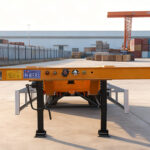
If the chassis must cover multiple box sizes, confirm how locking positions, frame length, and kingpin setting support that range. For a product reference, review the Skeletal Semi-Trailer page and compare its layout with the container sizes you expect to move most often.
Match Payload to Road Conditions
Payload planning is the second step in container chassis selection. A container that is legal in one market may still be hard on tires and suspension if the route includes poor pavement, tight warehouse entrances, or long terminal queues. Discuss axle layout, tire specification, landing gear duty, and frame strength together because these items work as one system under load.
Avoid specifying only for the heaviest possible job if most work is lighter and repetitive. A balanced chassis can be easier to operate, inspect, and maintain, while a heavier configuration may be justified for dense cargo or rough access roads. This keeps container chassis selection tied to real routes, not unlikely edge cases.
Check Twist Locks and Driver Access
Twist lock layout is a small detail with a large operational effect. During container chassis selection, ask how drivers confirm lock engagement, whether handles are accessible from safe standing positions, and how the lock arrangement supports the container sizes in your dispatch plan.
Also review loading height, step areas, mudguard clearance, and where drivers stand during coupling or inspection. These practical points influence daily discipline and reduce the chance that a container leaves the yard with an avoidable setup problem.

Use a Simple Specification Matrix
A written matrix keeps container chassis selection from becoming a vague discussion. It also helps purchasing, operations, and maintenance teams agree before quotes are requested. A disciplined container chassis selection matrix prevents one department from optimizing the trailer at the expense of another.
| Decision Point | What to Check | Why It Matters |
|---|---|---|
| Container range | 20-foot, 40-foot, high-cube, or mixed work | Determines frame layout, lock positions, and fleet flexibility |
| Route profile | Port-only, inland highway, rough yard, or mixed routes | Guides axle, tire, suspension, and ground clearance choices |
| Loading frequency | Daily shuttle, seasonal import flow, or project cargo | Influences durability needs and inspection convenience |
| Maintenance access | Brake, lighting, tire, and lock inspection points | Reduces downtime during routine fleet checks |
Plan Flexibility Without Overspecifying
Many buyers want one chassis to handle every possible job. That goal is understandable, but good container chassis selection should define useful flexibility, not unlimited capability. A versatile chassis should match the work your sales team can realistically win, the roads your drivers use, and the service support your maintenance team can provide.
For companies serving warehouses, ports, and regional distribution, the General Logistics Transport solution page is a helpful reference for thinking about how container movement fits broader freight work. The chassis should support that operating model instead of forcing the fleet into a narrow lane.
Review Suspension, Brakes, and Tires
Suspension choice belongs early in container chassis selection because it shapes ride behavior, maintenance routines, and suitability for regional roads. Brake access, spare tire policy, lighting protection, and mudguard durability also deserve attention. These everyday ownership details often matter more than a specification that looks impressive on paper.
Ask the supplier how common service points are arranged and how easy they are to inspect before dispatch. A chassis that encourages fast, visible checks can support better yard discipline when multiple drivers share the same equipment.
Include Documentation and Compliance Checks
Container transport also depends on documentation discipline. During container chassis selection, buyers should confirm what drawings, manuals, component information, and export documents are supplied with the trailer. Regulations vary by destination and route, so the final specification should be reviewed against local road rules before purchase.
For general background on standardized containers, the intermodal container reference is useful, but final compliance decisions should come from the rules in the operating country and the buyer’s transport authority.
Ask These Questions Before Ordering
Before confirming a purchase, turn container chassis selection into a short supplier questionnaire. Which container sizes are supported? What payload assumptions were used? How are lock positions arranged? What road conditions shaped the axle and suspension recommendation? Which parts need routine inspection after port work?
Clear answers make it easier to compare proposals without relying on price alone. They also help the operations team train drivers, set maintenance intervals, and decide which routes should use each chassis. Treat container chassis selection as a shared operating decision, not only a purchase order.
Final Buying Advice
The best container chassis selection is specific enough for daily work and flexible enough for realistic growth. Start with container size, route profile, payload, and terminal workflow. Then review the frame, locks, suspension, brakes, tires, and service access as one complete system.
YF Trailer can help buyers compare chassis layouts for port drayage, inland container transport, and mixed logistics fleets. Share your container sizes, operating region, road conditions, and loading frequency for a clearer container chassis selection discussion.
Blog Categories
Contact Us
Latest News
-

Lowbed Trailer Applications for Heavy Equipment Transport
-

How to Choose a Reliable Semi Trailer Manufacturer for Your Business
-

How to Choose Semi Trailer Solutions for Different Regions and Road Conditions
-

Semi Trailer Suspension Selection Guide for Heavy Loads
-
Hydraulic Trailer System Inspection Guide for Heavy Haul Work
-

E-commerce peak season: Yufei stake trailer, double the efficiency.
-

Bulk Powder Tanker Air Line Inspection Before Dry Bulk Loading
-
Stake Side Semi Trailer Side Board Inspection for Mixed Cargo
-

Yufei Customization: Reconstructing Transport Value
-

Heavy Loads Secured: Yufei Low-Deck Trailer
-

Tanker Trailer Unloading Hose Guide for Fleet Operators
-
Semi Trailer Types Explained for Different Transport Industries
-

Semi Trailer Trucks: How to Choose the Right One for Your Business
-

Semi Trailer Fleet Inspection Calendar for Monthly Maintenance Planning
-
Flatbed Trailer Tie Down Point Inspection Before Industrial Loads
-

Yufei Heavy-duty Trailer Launched, Technology Empowers
-
Lowbed Trailer vs Multi Axle Trailer: Which One Should You Choose
View our industry solutions
Or learn about other industry content
Container chassis selection is not just matching a trailer to a box. For port drayage, inland container distribution, and warehouse transfers, the right chassis affects loading time, tire wear, route flexibility, and how confidently a fleet can accept different container jobs.
This guide gives fleet owners, importers, and transport managers a practical container chassis selection process before ordering. It focuses on container size, route conditions, terminal handling, payload, maintenance access, and future work mix. In practice, container chassis selection should turn operating habits into a clear trailer specification.
Table of Contents
Start With the Container Work You Handle
A useful container chassis selection starts with the freight pattern, not the catalog page. List the container types your team handles most often, such as 20-foot, 40-foot, or high-cube containers, then separate routine work from occasional jobs. A fleet running daily port shuttles may need a simpler specification than a company moving between ports, rail yards, and industrial sites.
If the chassis must cover multiple box sizes, confirm how locking positions, frame length, and kingpin setting support that range. For a product reference, review the Skeletal Semi-Trailer page and compare its layout with the container sizes you expect to move most often.
Match Payload to Road Conditions
Payload planning is the second step in container chassis selection. A container that is legal in one market may still be hard on tires and suspension if the route includes poor pavement, tight warehouse entrances, or long terminal queues. Discuss axle layout, tire specification, landing gear duty, and frame strength together because these items work as one system under load.
Avoid specifying only for the heaviest possible job if most work is lighter and repetitive. A balanced chassis can be easier to operate, inspect, and maintain, while a heavier configuration may be justified for dense cargo or rough access roads. This keeps container chassis selection tied to real routes, not unlikely edge cases.
Check Twist Locks and Driver Access
Twist lock layout is a small detail with a large operational effect. During container chassis selection, ask how drivers confirm lock engagement, whether handles are accessible from safe standing positions, and how the lock arrangement supports the container sizes in your dispatch plan.
Also review loading height, step areas, mudguard clearance, and where drivers stand during coupling or inspection. These practical points influence daily discipline and reduce the chance that a container leaves the yard with an avoidable setup problem.
Use a Simple Specification Matrix
A written matrix keeps container chassis selection from becoming a vague discussion. It also helps purchasing, operations, and maintenance teams agree before quotes are requested. A disciplined container chassis selection matrix prevents one department from optimizing the trailer at the expense of another.
| Decision Point | What to Check | Why It Matters |
|---|---|---|
| Container range | 20-foot, 40-foot, high-cube, or mixed work | Determines frame layout, lock positions, and fleet flexibility |
| Route profile | Port-only, inland highway, rough yard, or mixed routes | Guides axle, tire, suspension, and ground clearance choices |
| Loading frequency | Daily shuttle, seasonal import flow, or project cargo | Influences durability needs and inspection convenience |
| Maintenance access | Brake, lighting, tire, and lock inspection points | Reduces downtime during routine fleet checks |
Plan Flexibility Without Overspecifying
Many buyers want one chassis to handle every possible job. That goal is understandable, but good container chassis selection should define useful flexibility, not unlimited capability. A versatile chassis should match the work your sales team can realistically win, the roads your drivers use, and the service support your maintenance team can provide.
For companies serving warehouses, ports, and regional distribution, the General Logistics Transport solution page is a helpful reference for thinking about how container movement fits broader freight work. The chassis should support that operating model instead of forcing the fleet into a narrow lane.
Review Suspension, Brakes, and Tires
Suspension choice belongs early in container chassis selection because it shapes ride behavior, maintenance routines, and suitability for regional roads. Brake access, spare tire policy, lighting protection, and mudguard durability also deserve attention. These everyday ownership details often matter more than a specification that looks impressive on paper.
Ask the supplier how common service points are arranged and how easy they are to inspect before dispatch. A chassis that encourages fast, visible checks can support better yard discipline when multiple drivers share the same equipment.
Include Documentation and Compliance Checks
Container transport also depends on documentation discipline. During container chassis selection, buyers should confirm what drawings, manuals, component information, and export documents are supplied with the trailer. Regulations vary by destination and route, so the final specification should be reviewed against local road rules before purchase.
For general background on standardized containers, the intermodal container reference is useful, but final compliance decisions should come from the rules in the operating country and the buyer’s transport authority.
Ask These Questions Before Ordering
Before confirming a purchase, turn container chassis selection into a short supplier questionnaire. Which container sizes are supported? What payload assumptions were used? How are lock positions arranged? What road conditions shaped the axle and suspension recommendation? Which parts need routine inspection after port work?
Clear answers make it easier to compare proposals without relying on price alone. They also help the operations team train drivers, set maintenance intervals, and decide which routes should use each chassis. Treat container chassis selection as a shared operating decision, not only a purchase order.
Final Buying Advice
The best container chassis selection is specific enough for daily work and flexible enough for realistic growth. Start with container size, route profile, payload, and terminal workflow. Then review the frame, locks, suspension, brakes, tires, and service access as one complete system.
YF Trailer can help buyers compare chassis layouts for port drayage, inland container transport, and mixed logistics fleets. Share your container sizes, operating region, road conditions, and loading frequency for a clearer container chassis selection discussion.
Blog Categories
Contact Us
Latest News
-

Trailer Export Inspection Checklist for Overseas Buyers
-
Semi Trailer Lighting Inspection for Night Loading and Yard Safety
-
Semi Trailer Trucks: How to Choose the Right One for Your Business
-

Driving Efficiency and Safety: Semi‑Trailers and Special Purpose Vehicles
-
Yufei Customization: Reconstructing Transport Value
-
Container Chassis Twist Lock Inspection Guide for Port Fleets
-
Heavy Loads Secured: Yufei Low-Deck Trailer
-

Rear Dump Semi Trailer Selection Guide for Aggregate and Jobsite Work
-

Side Curtain Trailer Maintenance Checklist for Palletized Freight Fleets
-
Refrigerated Semi Trailer Door Seal Inspection for Cold Chain Loads
-

Tanker Semi Trailer Cleaning Preparation Before Cargo Changeover
-
Semi Trailer Underride Guard Inspection Checklist for Fleet Safety
-
Semi Trailer Landing Gear Inspection Checklist for Safer Yard Operations
-
Rear Dump Trailer Stability Checklist Before Unloading Loose Material
-

Lowbed Trailer vs Flatbed Trailer: Which One Is Right for Your Transport Needs
-
Flatbed Trailer for Coil Transport: Buyer Guide for Steel Cargo
-
Semi Trailer Export Documentation Checklist for Overseas Buyers
-

Heavy Haul Trailer Guide: Types, Specs & Buying Tips
View our industry solutions
Or learn about other industry content
Engineering Equipment Transportation:
Custom Trailers Provide Efficient Solutions
Yufei solves the pain points of engineering equipment transportation for a Henan equipment leasing company:
Customer Pain Points:
Insufficient carrying capacity for 35-ton excavators, delays due to poor turning capabilities on narrow construction site roads, and trailer delivery times exceeding 45 days.
Solution:
Customized 80-ton low-bed trailers with 1.2-meter cargo platforms and hydraulic steering, with flexible production lines for expedited delivery.

Hazardous Materials Transportation:
Class A Tank Trucks Enhance Safety and Increase Profits
Yufei solved a core challenge for its logistics partner, Sinopec, in the transportation of hazardous materials:
Customer Pain Points:
Old tank trucks have significant leak risks, a 12-ton self-weight limits cargo capacity, and fuel consumption exceeds 35L.
Solution:
The Class A tanker has 304 stainless tank, triple safety devices and lightweight 0690 structure.

General Logistics:
Stake Trailer Solves Transportation Capacity Challenges
Yufei helps a Shandong logistics company overcome transportation pain points during peak e-commerce seasons:
Customer Pain Points:
Old trailers have slow loading and unloading times, limited capacity for bulky goods, fuel consumption exceeds 32L, and insufficient transportation capacity during peak seasons.
Solution:
Customizable foldable stake trailers, lightweight Q690 steel construction + hydraulic self-unloading.

[Customer Case Studies]
Yufei's customized solutions
Based in Liangshan, Yufei has been specializing in special purpose/semi-trailers since 2008, with real-world service cases worldwide demonstrating its intelligent manufacturing capabilities.
[Customer Case Studies]
Yufei's customized solutions
Based in Liangshan, Yufei has been specializing in special purpose/semi-trailers since 2008, with real-world service cases worldwide demonstrating its intelligent manufacturing capabilities.
Engineering Equipment Transportation:
Custom Trailers Provide Efficient Solutions
Yufei solves the pain points of engineering equipment transportation for a Henan equipment leasing company:
Customer Pain Points:
Insufficient carrying capacity for 35-ton excavators, delays due to poor turning capabilities on narrow construction site roads, and trailer delivery times exceeding 45 days.
Solution:
Customized 80-ton low-bed trailers with 1.2-meter cargo platforms and hydraulic steering, with flexible production lines for expedited delivery.
Hazardous Materials Transportation:
Class A Tank Trucks Enhance Safety and Increase Profits
Yufei solved a core challenge for its logistics partner, Sinopec, in the transportation of hazardous materials:
Customer Pain Points:
Old tank trucks have significant leak risks, a 12-ton self-weight limits cargo capacity, and fuel consumption exceeds 35L.
Solution:
The Class A tanker has 304 stainless tank, triple safety devices and lightweight 0690 structure.
General Logistics:
Stake Trailer Solves Transportation Capacity Challenges
Yufei helps a Shandong logistics company overcome transportation pain points during peak e-commerce seasons:
Customer Pain Points:
Old trailers have slow loading and unloading times, limited capacity for bulky goods, fuel consumption exceeds 32L, and insufficient transportation capacity during peak seasons.
Solution:
Customizable foldable stake trailers, lightweight Q690 steel construction + hydraulic self-unloading.
[Core advantages]
Core Competitiveness
Driven by Intelligence & Service
Strong
R&D Team:
120-member team, 45% senior titles, leading tech

Intelligent
Manufacturing:
Robotic welding, 99%+ precision guarantee

Rapid
Customization:
Flexible lines for diverse needs, 7-day delivery

Strict
Quality Control:
Full-process control, ISO9001 certified

Comprehensive
After-sales:
24h response, lifelong operation support

Industrial
Cluster Adv:
Liangshan base, efficient supply chain

Lightweight
Tech Breakthrough:
Topology optimization, 18% weight reduction

Complete
Qualifications:
CCC certified, Class A for hazardous goods

[Contact us]
Ready to Find Your
Perfect Trailer Solution







