
Container Chassis Selection Guide for Port and Inland Freight
Container Chassis Selection Guide for Port and Inland Freight
Container chassis selection is not just matching a trailer to a box. For port drayage, inland container distribution, and warehouse transfers, the right chassis affects loading time, tire wear, route flexibility, and how confidently a fleet can accept different container jobs.
This guide gives fleet owners, importers, and transport managers a practical container chassis selection process before ordering. It focuses on container size, route conditions, terminal handling, payload, maintenance access, and future work mix. In practice, container chassis selection should turn operating habits into a clear trailer specification.
Índice

Start With the Container Work You Handle
A useful container chassis selection starts with the freight pattern, not the catalog page. List the container types your team handles most often, such as 20-foot, 40-foot, or high-cube containers, then separate routine work from occasional jobs. A fleet running daily port shuttles may need a simpler specification than a company moving between ports, rail yards, and industrial sites.
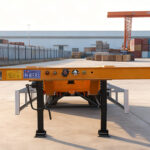
If the chassis must cover multiple box sizes, confirm how locking positions, frame length, and kingpin setting support that range. For a product reference, review the Semirremolque esquelético page and compare its layout with the container sizes you expect to move most often.
Match Payload to Road Conditions
Payload planning is the second step in container chassis selection. A container that is legal in one market may still be hard on tires and suspension if the route includes poor pavement, tight warehouse entrances, or long terminal queues. Discuss axle layout, tire specification, landing gear duty, and frame strength together because these items work as one system under load.
Avoid specifying only for the heaviest possible job if most work is lighter and repetitive. A balanced chassis can be easier to operate, inspect, and maintain, while a heavier configuration may be justified for dense cargo or rough access roads. This keeps container chassis selection tied to real routes, not unlikely edge cases.
Check Twist Locks and Driver Access
Twist lock layout is a small detail with a large operational effect. During container chassis selection, ask how drivers confirm lock engagement, whether handles are accessible from safe standing positions, and how the lock arrangement supports the container sizes in your dispatch plan.
Also review loading height, step areas, mudguard clearance, and where drivers stand during coupling or inspection. These practical points influence daily discipline and reduce the chance that a container leaves the yard with an avoidable setup problem.

Use a Simple Specification Matrix
A written matrix keeps container chassis selection from becoming a vague discussion. It also helps purchasing, operations, and maintenance teams agree before quotes are requested. A disciplined container chassis selection matrix prevents one department from optimizing the trailer at the expense of another.
| Decision Point | What to Check | Why It Matters |
|---|---|---|
| Container range | 20-foot, 40-foot, high-cube, or mixed work | Determines frame layout, lock positions, and fleet flexibility |
| Route profile | Port-only, inland highway, rough yard, or mixed routes | Guides axle, tire, suspension, and ground clearance choices |
| Loading frequency | Daily shuttle, seasonal import flow, or project cargo | Influences durability needs and inspection convenience |
| Maintenance access | Brake, lighting, tire, and lock inspection points | Reduces downtime during routine fleet checks |
Plan Flexibility Without Overspecifying
Many buyers want one chassis to handle every possible job. That goal is understandable, but good container chassis selection should define useful flexibility, not unlimited capability. A versatile chassis should match the work your sales team can realistically win, the roads your drivers use, and the service support your maintenance team can provide.
For companies serving warehouses, ports, and regional distribution, the Logística general Transporte solution page is a helpful reference for thinking about how container movement fits broader freight work. The chassis should support that operating model instead of forcing the fleet into a narrow lane.
Review Suspension, Brakes, and Tires
Suspension choice belongs early in container chassis selection because it shapes ride behavior, maintenance routines, and suitability for regional roads. Brake access, spare tire policy, lighting protection, and mudguard durability also deserve attention. These everyday ownership details often matter more than a specification that looks impressive on paper.
Ask the supplier how common service points are arranged and how easy they are to inspect before dispatch. A chassis that encourages fast, visible checks can support better yard discipline when multiple drivers share the same equipment.
Include Documentation and Compliance Checks
Container transport also depends on documentation discipline. During container chassis selection, buyers should confirm what drawings, manuals, component information, and export documents are supplied with the trailer. Regulations vary by destination and route, so the final specification should be reviewed against local road rules before purchase.
For general background on standardized containers, the intermodal container reference is useful, but final compliance decisions should come from the rules in the operating country and the buyer’s transport authority.
Ask These Questions Before Ordering
Before confirming a purchase, turn container chassis selection into a short supplier questionnaire. Which container sizes are supported? What payload assumptions were used? How are lock positions arranged? What road conditions shaped the axle and suspension recommendation? Which parts need routine inspection after port work?
Clear answers make it easier to compare proposals without relying on price alone. They also help the operations team train drivers, set maintenance intervals, and decide which routes should use each chassis. Treat container chassis selection as a shared operating decision, not only a purchase order.
Final Buying Advice
The best container chassis selection is specific enough for daily work and flexible enough for realistic growth. Start with container size, route profile, payload, and terminal workflow. Then review the frame, locks, suspension, brakes, tires, and service access as one complete system.
YF Trailer can help buyers compare chassis layouts for port drayage, inland container transport, and mixed logistics fleets. Share your container sizes, operating region, road conditions, and loading frequency for a clearer container chassis selection discussion.
Categorías de blogs
Contacte con nosotros
Últimas noticias
-

Camiones semirremolque: Cómo elegir el adecuado para su negocio
-

Lanzamiento del remolque pesado Yufei, la tecnología potencia
-
Flatbed Trailer Deck Wear Inspection for Machinery Transport
-

Yufei coopera con un grupo logístico para crear un ecosistema de transporte
-
Container Chassis Landing Gear Matching Guide for Yard Operations
-

Refrigerated Semi Trailer Door Seal Inspection for Cold Chain Loads
-
Semi Trailer Coupling Height Guide for Safer Tractor Matching
-

Remolque Cuello de Cisne Desmontable: Guía práctica para el transporte de maquinaria pesada
-

Semi Trailer Export Documentation Checklist for Overseas Buyers
-

Side Curtain Trailer Weatherproofing Checklist for Palletized Freight
-

Semi Trailer Suspension Inspection Guide for Rough Road Operations
-
Flatbed Trailer Loading Surface Guide for Machinery Buyers
-

Lowbed Trailer vs Multi Axle Trailer: Which One Should You Choose
-

Long Cargo Transport Checklist for Steel, Pipe, and Precast Loads
-

Semirremolques hidráulicos en 2026: navegación por un panorama en evolución
-

Side Curtain Trailer Loading Access Guide for Pallet Freight
-
Special Purpose Trailer Maintenance Schedule for Fleet Reliability
Vea nuestras soluciones sectoriales
O infórmese sobre otros contenidos del sector
Container chassis selection is not just matching a trailer to a box. For port drayage, inland container distribution, and warehouse transfers, the right chassis affects loading time, tire wear, route flexibility, and how confidently a fleet can accept different container jobs.
This guide gives fleet owners, importers, and transport managers a practical container chassis selection process before ordering. It focuses on container size, route conditions, terminal handling, payload, maintenance access, and future work mix. In practice, container chassis selection should turn operating habits into a clear trailer specification.
Índice
Start With the Container Work You Handle
A useful container chassis selection starts with the freight pattern, not the catalog page. List the container types your team handles most often, such as 20-foot, 40-foot, or high-cube containers, then separate routine work from occasional jobs. A fleet running daily port shuttles may need a simpler specification than a company moving between ports, rail yards, and industrial sites.
If the chassis must cover multiple box sizes, confirm how locking positions, frame length, and kingpin setting support that range. For a product reference, review the Semirremolque esquelético page and compare its layout with the container sizes you expect to move most often.
Match Payload to Road Conditions
Payload planning is the second step in container chassis selection. A container that is legal in one market may still be hard on tires and suspension if the route includes poor pavement, tight warehouse entrances, or long terminal queues. Discuss axle layout, tire specification, landing gear duty, and frame strength together because these items work as one system under load.
Avoid specifying only for the heaviest possible job if most work is lighter and repetitive. A balanced chassis can be easier to operate, inspect, and maintain, while a heavier configuration may be justified for dense cargo or rough access roads. This keeps container chassis selection tied to real routes, not unlikely edge cases.
Check Twist Locks and Driver Access
Twist lock layout is a small detail with a large operational effect. During container chassis selection, ask how drivers confirm lock engagement, whether handles are accessible from safe standing positions, and how the lock arrangement supports the container sizes in your dispatch plan.
Also review loading height, step areas, mudguard clearance, and where drivers stand during coupling or inspection. These practical points influence daily discipline and reduce the chance that a container leaves the yard with an avoidable setup problem.
Use a Simple Specification Matrix
A written matrix keeps container chassis selection from becoming a vague discussion. It also helps purchasing, operations, and maintenance teams agree before quotes are requested. A disciplined container chassis selection matrix prevents one department from optimizing the trailer at the expense of another.
| Decision Point | What to Check | Why It Matters |
|---|---|---|
| Container range | 20-foot, 40-foot, high-cube, or mixed work | Determines frame layout, lock positions, and fleet flexibility |
| Route profile | Port-only, inland highway, rough yard, or mixed routes | Guides axle, tire, suspension, and ground clearance choices |
| Loading frequency | Daily shuttle, seasonal import flow, or project cargo | Influences durability needs and inspection convenience |
| Maintenance access | Brake, lighting, tire, and lock inspection points | Reduces downtime during routine fleet checks |
Plan Flexibility Without Overspecifying
Many buyers want one chassis to handle every possible job. That goal is understandable, but good container chassis selection should define useful flexibility, not unlimited capability. A versatile chassis should match the work your sales team can realistically win, the roads your drivers use, and the service support your maintenance team can provide.
For companies serving warehouses, ports, and regional distribution, the Logística general Transporte solution page is a helpful reference for thinking about how container movement fits broader freight work. The chassis should support that operating model instead of forcing the fleet into a narrow lane.
Review Suspension, Brakes, and Tires
Suspension choice belongs early in container chassis selection because it shapes ride behavior, maintenance routines, and suitability for regional roads. Brake access, spare tire policy, lighting protection, and mudguard durability also deserve attention. These everyday ownership details often matter more than a specification that looks impressive on paper.
Ask the supplier how common service points are arranged and how easy they are to inspect before dispatch. A chassis that encourages fast, visible checks can support better yard discipline when multiple drivers share the same equipment.
Include Documentation and Compliance Checks
Container transport also depends on documentation discipline. During container chassis selection, buyers should confirm what drawings, manuals, component information, and export documents are supplied with the trailer. Regulations vary by destination and route, so the final specification should be reviewed against local road rules before purchase.
For general background on standardized containers, the intermodal container reference is useful, but final compliance decisions should come from the rules in the operating country and the buyer’s transport authority.
Ask These Questions Before Ordering
Before confirming a purchase, turn container chassis selection into a short supplier questionnaire. Which container sizes are supported? What payload assumptions were used? How are lock positions arranged? What road conditions shaped the axle and suspension recommendation? Which parts need routine inspection after port work?
Clear answers make it easier to compare proposals without relying on price alone. They also help the operations team train drivers, set maintenance intervals, and decide which routes should use each chassis. Treat container chassis selection as a shared operating decision, not only a purchase order.
Final Buying Advice
The best container chassis selection is specific enough for daily work and flexible enough for realistic growth. Start with container size, route profile, payload, and terminal workflow. Then review the frame, locks, suspension, brakes, tires, and service access as one complete system.
YF Trailer can help buyers compare chassis layouts for port drayage, inland container transport, and mixed logistics fleets. Share your container sizes, operating region, road conditions, and loading frequency for a clearer container chassis selection discussion.
Categorías de blogs
Contacte con nosotros
Últimas noticias
-
Camiones semirremolque: Cómo elegir el adecuado para su negocio
-
Semi Trailer Spare Parts Planning for Fleet Maintenance Teams
-
Side Curtain Trailer Weatherproofing Checklist for Palletized Freight
-
Container Chassis Selection Guide for Port and Inland Freight
-
Duplicate Draft – Special Purpose Trailer Maintenance Schedule
-
Semi Trailer Export Documentation Checklist for Overseas Buyers
-

La colaboración en la cadena de suministro y los remolques crean un ecosistema entre la industria y el mundo académico
-
Lowbed Trailer Route Survey Checklist for Heavy Equipment Moves
-

Semi Trailer Types Explained for Different Transport Industries
-
Lanzamiento del remolque pesado Yufei, la tecnología potencia
-
Flatbed Trailer Tie Down Point Inspection Before Industrial Loads
-
Semi Trailer Electrical Inspection Checklist Before Fleet Dispatch
-

Semi Trailer Suspension Selection Guide for Heavy Loads
-

Heavy Haul Trailer Guide: Types, Specs & Buying Tips
-
Side Curtain Trailer Maintenance Checklist for Palletized Freight Fleets
-
Semi Trailer Corrosion Protection Guide for Wet and Coastal Routes
-
Semi Trailer Underride Guard Inspection Checklist for Fleet Safety
Vea nuestras soluciones sectoriales
O infórmese sobre otros contenidos del sector
Equipos de ingeniería Transporte:
Los remolques a medida ofrecen soluciones eficientes
Yufei resuelve los problemas de transporte de equipos de ingeniería para una empresa de arrendamiento de equipos de Henan:
Puntos débiles de los clientes:
Capacidad de carga insuficiente para excavadoras de 35 toneladas, retrasos debidos a la escasa capacidad de giro en carreteras de obra estrechas y plazos de entrega de los remolques superiores a 45 días.
Solución:
Remolques de plataforma baja personalizados de 80 toneladas con plataformas de carga de 1,2 metros y dirección hidráulica, con líneas de producción flexibles para entregas rápidas.

Transporte de materiales peligrosos:
Los camiones cisterna de clase A mejoran la seguridad y aumentan los beneficios
Yufei resolvió un reto fundamental para su socio logístico, Sinopec, en el transporte de materiales peligrosos:
Puntos débiles de los clientes:
Los camiones cisterna antiguos presentan importantes riesgos de fuga, un peso propio de 12 toneladas limita la capacidad de carga y el consumo de combustible supera los 35 litros.
Solución:
La cisterna de clase A cuenta con un depósito de acero inoxidable 304, dispositivos de seguridad triples y una estructura ligera 0690.

Logística general:
Un remolque con estacas resuelve los problemas de capacidad de transporte
Yufei ayuda a una empresa logística de Shandong a superar los problemas de transporte durante las temporadas altas del comercio electrónico:
Puntos débiles de los clientes:
Los remolques viejos tienen tiempos de carga y descarga lentos, capacidad limitada para mercancías voluminosas, un consumo de combustible superior a 32 litros y una capacidad de transporte insuficiente durante las temporadas altas.
Solución:
Remolques de estacas plegables personalizables, construcción ligera de acero Q690 + autodescarga hidráulica.

[Casos prácticos de clientes]
Soluciones personalizadas de Yufei
Con sede en Liangshan, Yufei se ha especializado en semirremolques para usos especiales desde 2008, con casos de servicio reales en todo el mundo que demuestran su capacidad de fabricación inteligente.
[Casos prácticos de clientes]
Soluciones personalizadas de Yufei
Con sede en Liangshan, Yufei se ha especializado en semirremolques para usos especiales desde 2008, con casos de servicio reales en todo el mundo que demuestran su capacidad de fabricación inteligente.
Equipos de ingeniería Transporte:
Los remolques a medida ofrecen soluciones eficientes
Yufei resuelve los problemas de transporte de equipos de ingeniería para una empresa de arrendamiento de equipos de Henan:
Puntos débiles de los clientes:
Capacidad de carga insuficiente para excavadoras de 35 toneladas, retrasos debidos a la escasa capacidad de giro en carreteras de obra estrechas y plazos de entrega de los remolques superiores a 45 días.
Solución:
Remolques de plataforma baja personalizados de 80 toneladas con plataformas de carga de 1,2 metros y dirección hidráulica, con líneas de producción flexibles para entregas rápidas.
Transporte de materiales peligrosos:
Los camiones cisterna de clase A mejoran la seguridad y aumentan los beneficios
Yufei resolvió un reto fundamental para su socio logístico, Sinopec, en el transporte de materiales peligrosos:
Puntos débiles de los clientes:
Los camiones cisterna antiguos presentan importantes riesgos de fuga, un peso propio de 12 toneladas limita la capacidad de carga y el consumo de combustible supera los 35 litros.
Solución:
La cisterna de clase A cuenta con un depósito de acero inoxidable 304, dispositivos de seguridad triples y una estructura ligera 0690.
Logística general:
Un remolque con estacas resuelve los problemas de capacidad de transporte
Yufei ayuda a una empresa logística de Shandong a superar los problemas de transporte durante las temporadas altas del comercio electrónico:
Puntos débiles de los clientes:
Los remolques viejos tienen tiempos de carga y descarga lentos, capacidad limitada para mercancías voluminosas, un consumo de combustible superior a 32 litros y una capacidad de transporte insuficiente durante las temporadas altas.
Solución:
Remolques de estacas plegables personalizables, construcción ligera de acero Q690 + autodescarga hidráulica.
[Ventajas principales]
Competitividad básica
Impulsados por la inteligencia y el servicio
Fuerte
Equipo de I+D:
Equipo de 120 miembros, 451 títulos seniorTP3T, tecnología punta

Inteligente
Fabricación:
Soldadura robotizada, garantía de precisión 99%

Rápido
Personalización:
Líneas flexibles para necesidades diversas, entrega en 7 días

Estricto
Control de calidad:
Control total del proceso, certificación ISO9001

Completo
Postventa:
Respuesta 24 horas, asistencia operativa de por vida

Industrial
Grupo Adv:
Base de Liangshan, cadena de suministro eficiente

Ligero
Avance tecnológico:
Optimización de la topología, reducción de peso 18%

Complete
Cualificaciones:
Certificado CCC, Clase A para mercancías peligrosas

[Contáctenos]
Listo para encontrar su
Solución de remolque perfecta







