
Semi Trailer Underride Guard Inspection Checklist for Fleet Safety
Semi Trailer Underride Guard Inspection Checklist for Fleet Safety
A semi trailer underride guard inspection checks whether the rear and side protection around a trailer is straight, secure, visible, and clear of added equipment before dispatch. If a guard is bent, loose, hidden, or difficult to see, the trailer should be held for maintenance review instead of released onto the road.
This semi trailer underride guard inspection guide is for supervisors, drivers, workshop teams, and buyers who need a repeatable yard routine. It does not replace local rules or technician judgment, but it helps teams spot defects before dispatch.
Índice

What an underride guard is meant to do
An underride guard is a protective structure intended to reduce the chance that a smaller road vehicle moves underneath a trailer during a collision. The most visible guard is often at the rear; some bodies also use side protection.
Because these parts sit low, a semi trailer underride guard inspection should look for crash damage and yard damage. Dock impacts, rough ground, and loose accessories can weaken a guard before the trailer looks unsafe from a distance.
When to inspect
Run a semi trailer underride guard inspection before highway dispatch, after rear impact, after body repairs, and when a trailer returns from rough yards. It also matters after long parking periods, when corrosion or missing fasteners are easy to miss.
- Before first use after delivery or repair
- During regular yard walkarounds
- After reversing contact with docks or barriers
- Before night routes where reflective markings matter
Core inspection points
A useful semi trailer underride guard inspection is more than a glance at the bumper. Start at one side, move across the rear, then check the opposite side. Photograph damage so maintenance can judge whether the issue is cosmetic, structural, or operational.
| Inspection area | What to check | Practical action |
|---|---|---|
| Mounting brackets | Cracks, bending, missing bolts, rust around welds | Tighten, repair, or hold the trailer for review |
| Crossmember and rail | Deformed metal, torn edges, previous impact marks | Compare both sides and record uneven position |
| Reflective markings | Dirty, missing, faded, or damaged conspicuity tape | Clean or replace before night operation |
| Clearance zone | Interference from mudflaps, spare tires, toolboxes, or tailgate parts | Confirm accessories do not block the guard area |

Match the check to trailer body type
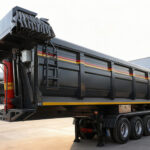
Different bodies expose the guard area in different ways. A flatbed may leave the rear frame open, while a dump trailer may place lights, tailgate hardware, and hydraulic parts nearby. Buyers comparing the Serie de camiones semirremolque or a Semirremolque de plataforma pesada should confirm that rear protection and lighting remain easy to inspect.
That is why the semi trailer underride guard inspection should be adapted to the trailer body. The safety question stays the same, but the access points and likely damage areas change by application.
Red flags before dispatch
Stop dispatch when a semi trailer underride guard inspection finds fresh bending, torn welds, missing hardware, sharp exposed metal, or a guard that no longer sits level. Also pause if equipment hides the guard or reflective markings are too dirty.
- The guard moves by hand pressure or sounds loose
- One side sits lower, higher, or farther forward
- Bolts show bright movement marks around holes
- Mudflaps, spare tires, or toolboxes interfere with the guard area
Semi trailer underride guard inspection records
A documented semi trailer underride guard inspection helps fleets avoid confusion later. Treat each semi trailer underride guard inspection record as maintenance history. Record the trailer number, date, defect, dispatch decision, repair owner, and photos.
For background, the U.S. National Highway Traffic Safety Administration explains why underride crashes are treated as a vehicle safety concern. Confirm local laws and inspection intervals for each operating route.
A practical yard routine
The fastest semi trailer underride guard inspection routine is visual, physical, and administrative. Look for symmetry, touch only safe parked equipment to check looseness, then confirm whether the defect has already been reported.
FAQs
How often should fleets run a semi trailer underride guard inspection?
Use it during walkarounds and after rear contact, body repair, or new equipment installation.
Can a bent guard stay in service?
Do not assume it can. Maintenance should decide whether structure, clearance, lighting, or visibility is affected.
Does every market require the same guard design?
No. Rules vary by country and route, so confirm requirements before ordering or cross-border dispatch.
Should the check include side protection?
Yes, where side guards or side protection parts are fitted. A complete semi trailer underride guard inspection should include all protective structures that are part of the trailer body.
What records are most useful?
Photos, trailer number, date, defect notes, and repair decision are usually enough.
Final takeaway
A semi trailer underride guard inspection is a small task with a large safety purpose. Keep it consistent, record defects clearly, and do not release trailers when rear or side protection is loose, distorted, blocked, or hard to see.

Categorías de blogs
Contacte con nosotros
Últimas noticias
-

Refrigerated Semi Trailer Loading Checklist for Cold Chain Dispatch
-

Transporte de Polvo a Granel: Yufei Powder Tanker, Cero Pérdidas
-
Semi Trailer Lighting Inspection for Night Loading and Yard Safety
-

Personalización de Yufei: Reconstruir el valor del transporte
-
Semi Trailer Spare Parts Planning for Fleet Maintenance Teams
-

Cómo elegir soluciones de semirremolque para diferentes regiones y condiciones de la carretera
-

Aplicaciones de Remolques de Cama Baja para el Transporte de Equipos Pesados
-
Semi Trailer Suspension Inspection Guide for Rough Road Operations
-

Flatbed Trailer for Coil Transport: Buyer Guide for Steel Cargo
-
Semi Trailer Brake Air Line Routing Guide for Fleet Reliability
-

How to Choose a Reliable Semi Trailer Manufacturer for Your Business
-

Lanzamiento del remolque pesado Yufei, la tecnología potencia
-
Lowbed Trailer vs Multi Axle Trailer: Which One Should You Choose
-

Remolque de cama baja vs. Remolque de plataforma plana: ¿Cuál es el adecuado para sus necesidades de transporte?
-

Semirremolques hidráulicos en 2026: navegación por un panorama en evolución
-
Semi Trailer Landing Gear Inspection Checklist for Safer Yard Operations
-
Semi Trailer Wheel Bearing Inspection Guide for Long-Distance Fleets
-
Remolques de gran tonelaje: Cómo elegir el adecuado
Vea nuestras soluciones sectoriales
O infórmese sobre otros contenidos del sector
A semi trailer underride guard inspection checks whether the rear and side protection around a trailer is straight, secure, visible, and clear of added equipment before dispatch. If a guard is bent, loose, hidden, or difficult to see, the trailer should be held for maintenance review instead of released onto the road.
This semi trailer underride guard inspection guide is for supervisors, drivers, workshop teams, and buyers who need a repeatable yard routine. It does not replace local rules or technician judgment, but it helps teams spot defects before dispatch.
Índice
What an underride guard is meant to do
An underride guard is a protective structure intended to reduce the chance that a smaller road vehicle moves underneath a trailer during a collision. The most visible guard is often at the rear; some bodies also use side protection.
Because these parts sit low, a semi trailer underride guard inspection should look for crash damage and yard damage. Dock impacts, rough ground, and loose accessories can weaken a guard before the trailer looks unsafe from a distance.
When to inspect
Run a semi trailer underride guard inspection before highway dispatch, after rear impact, after body repairs, and when a trailer returns from rough yards. It also matters after long parking periods, when corrosion or missing fasteners are easy to miss.
- Before first use after delivery or repair
- During regular yard walkarounds
- After reversing contact with docks or barriers
- Before night routes where reflective markings matter
Core inspection points
A useful semi trailer underride guard inspection is more than a glance at the bumper. Start at one side, move across the rear, then check the opposite side. Photograph damage so maintenance can judge whether the issue is cosmetic, structural, or operational.
| Inspection area | What to check | Practical action |
|---|---|---|
| Mounting brackets | Cracks, bending, missing bolts, rust around welds | Tighten, repair, or hold the trailer for review |
| Crossmember and rail | Deformed metal, torn edges, previous impact marks | Compare both sides and record uneven position |
| Reflective markings | Dirty, missing, faded, or damaged conspicuity tape | Clean or replace before night operation |
| Clearance zone | Interference from mudflaps, spare tires, toolboxes, or tailgate parts | Confirm accessories do not block the guard area |
Match the check to trailer body type
Different bodies expose the guard area in different ways. A flatbed may leave the rear frame open, while a dump trailer may place lights, tailgate hardware, and hydraulic parts nearby. Buyers comparing the Serie de camiones semirremolque or a Semirremolque de plataforma pesada should confirm that rear protection and lighting remain easy to inspect.
That is why the semi trailer underride guard inspection should be adapted to the trailer body. The safety question stays the same, but the access points and likely damage areas change by application.
Red flags before dispatch
Stop dispatch when a semi trailer underride guard inspection finds fresh bending, torn welds, missing hardware, sharp exposed metal, or a guard that no longer sits level. Also pause if equipment hides the guard or reflective markings are too dirty.
- The guard moves by hand pressure or sounds loose
- One side sits lower, higher, or farther forward
- Bolts show bright movement marks around holes
- Mudflaps, spare tires, or toolboxes interfere with the guard area
Semi trailer underride guard inspection records
A documented semi trailer underride guard inspection helps fleets avoid confusion later. Treat each semi trailer underride guard inspection record as maintenance history. Record the trailer number, date, defect, dispatch decision, repair owner, and photos.
For background, the U.S. National Highway Traffic Safety Administration explains why underride crashes are treated as a vehicle safety concern. Confirm local laws and inspection intervals for each operating route.
A practical yard routine
The fastest semi trailer underride guard inspection routine is visual, physical, and administrative. Look for symmetry, touch only safe parked equipment to check looseness, then confirm whether the defect has already been reported.
FAQs
How often should fleets run a semi trailer underride guard inspection?
Use it during walkarounds and after rear contact, body repair, or new equipment installation.
Can a bent guard stay in service?
Do not assume it can. Maintenance should decide whether structure, clearance, lighting, or visibility is affected.
Does every market require the same guard design?
No. Rules vary by country and route, so confirm requirements before ordering or cross-border dispatch.
Should the check include side protection?
Yes, where side guards or side protection parts are fitted. A complete semi trailer underride guard inspection should include all protective structures that are part of the trailer body.
What records are most useful?
Photos, trailer number, date, defect notes, and repair decision are usually enough.
Final takeaway
A semi trailer underride guard inspection is a small task with a large safety purpose. Keep it consistent, record defects clearly, and do not release trailers when rear or side protection is loose, distorted, blocked, or hard to see.
Categorías de blogs
Contacte con nosotros
Últimas noticias
-
Lowbed Trailer vs Multi Axle Trailer: Which One Should You Choose
-
Guía de Remolque Multieje para Transporte de Equipo Pesado
-

Bulk Powder Tanker Loading Plan for Cleaner Dry Bulk Dispatch
-
Flatbed Trailer Loading Checklist for Safer Heavy Equipment Transport
-
Remolques de gran tonelaje: Cómo elegir el adecuado
-
Semi Trailer Fleet Inspection Calendar for Monthly Maintenance Planning
-
Dump Semi Trailer Hydraulic Cylinder Checks Before Site Work
-
Semi Trailer Tire Maintenance Checklist for Long-Distance Fleets
-

Transporte peligroso: Yufei Tanker, seguro y conforme a las normas
-

Semi Trailer Suspension Selection Guide for Heavy Loads
-

Heavy Equipment Transport: Complete Guide to Oversized Cargo Logistics
-

Hydraulic Trailer System Inspection Guide for Heavy Haul Work
-
Semi Trailer Electrical Inspection Checklist Before Fleet Dispatch
-
Flatbed Trailer Deck Wear Inspection for Machinery Transport
-
Skeletal Trailer Kingpin Area Inspection for Container Fleets
-
Capacidad del remolque de cama baja: Guía completa para el transporte de equipos pesados
-
Lowboy Trailer Tire Clearance Guide for Heavy Equipment Loads
Vea nuestras soluciones sectoriales
O infórmese sobre otros contenidos del sector
Equipos de ingeniería Transporte:
Los remolques a medida ofrecen soluciones eficientes
Yufei resuelve los problemas de transporte de equipos de ingeniería para una empresa de arrendamiento de equipos de Henan:
Puntos débiles de los clientes:
Capacidad de carga insuficiente para excavadoras de 35 toneladas, retrasos debidos a la escasa capacidad de giro en carreteras de obra estrechas y plazos de entrega de los remolques superiores a 45 días.
Solución:
Remolques de plataforma baja personalizados de 80 toneladas con plataformas de carga de 1,2 metros y dirección hidráulica, con líneas de producción flexibles para entregas rápidas.

Transporte de materiales peligrosos:
Los camiones cisterna de clase A mejoran la seguridad y aumentan los beneficios
Yufei resolvió un reto fundamental para su socio logístico, Sinopec, en el transporte de materiales peligrosos:
Puntos débiles de los clientes:
Los camiones cisterna antiguos presentan importantes riesgos de fuga, un peso propio de 12 toneladas limita la capacidad de carga y el consumo de combustible supera los 35 litros.
Solución:
La cisterna de clase A cuenta con un depósito de acero inoxidable 304, dispositivos de seguridad triples y una estructura ligera 0690.

Logística general:
Un remolque con estacas resuelve los problemas de capacidad de transporte
Yufei ayuda a una empresa logística de Shandong a superar los problemas de transporte durante las temporadas altas del comercio electrónico:
Puntos débiles de los clientes:
Los remolques viejos tienen tiempos de carga y descarga lentos, capacidad limitada para mercancías voluminosas, un consumo de combustible superior a 32 litros y una capacidad de transporte insuficiente durante las temporadas altas.
Solución:
Remolques de estacas plegables personalizables, construcción ligera de acero Q690 + autodescarga hidráulica.

[Casos prácticos de clientes]
Soluciones personalizadas de Yufei
Con sede en Liangshan, Yufei se ha especializado en semirremolques para usos especiales desde 2008, con casos de servicio reales en todo el mundo que demuestran su capacidad de fabricación inteligente.
[Casos prácticos de clientes]
Soluciones personalizadas de Yufei
Con sede en Liangshan, Yufei se ha especializado en semirremolques para usos especiales desde 2008, con casos de servicio reales en todo el mundo que demuestran su capacidad de fabricación inteligente.
Equipos de ingeniería Transporte:
Los remolques a medida ofrecen soluciones eficientes
Yufei resuelve los problemas de transporte de equipos de ingeniería para una empresa de arrendamiento de equipos de Henan:
Puntos débiles de los clientes:
Capacidad de carga insuficiente para excavadoras de 35 toneladas, retrasos debidos a la escasa capacidad de giro en carreteras de obra estrechas y plazos de entrega de los remolques superiores a 45 días.
Solución:
Remolques de plataforma baja personalizados de 80 toneladas con plataformas de carga de 1,2 metros y dirección hidráulica, con líneas de producción flexibles para entregas rápidas.
Transporte de materiales peligrosos:
Los camiones cisterna de clase A mejoran la seguridad y aumentan los beneficios
Yufei resolvió un reto fundamental para su socio logístico, Sinopec, en el transporte de materiales peligrosos:
Puntos débiles de los clientes:
Los camiones cisterna antiguos presentan importantes riesgos de fuga, un peso propio de 12 toneladas limita la capacidad de carga y el consumo de combustible supera los 35 litros.
Solución:
La cisterna de clase A cuenta con un depósito de acero inoxidable 304, dispositivos de seguridad triples y una estructura ligera 0690.
Logística general:
Un remolque con estacas resuelve los problemas de capacidad de transporte
Yufei ayuda a una empresa logística de Shandong a superar los problemas de transporte durante las temporadas altas del comercio electrónico:
Puntos débiles de los clientes:
Los remolques viejos tienen tiempos de carga y descarga lentos, capacidad limitada para mercancías voluminosas, un consumo de combustible superior a 32 litros y una capacidad de transporte insuficiente durante las temporadas altas.
Solución:
Remolques de estacas plegables personalizables, construcción ligera de acero Q690 + autodescarga hidráulica.
[Ventajas principales]
Competitividad básica
Impulsados por la inteligencia y el servicio
Fuerte
Equipo de I+D:
Equipo de 120 miembros, 451 títulos seniorTP3T, tecnología punta

Inteligente
Fabricación:
Soldadura robotizada, garantía de precisión 99%

Rápido
Personalización:
Líneas flexibles para necesidades diversas, entrega en 7 días

Estricto
Control de calidad:
Control total del proceso, certificación ISO9001

Completo
Postventa:
Respuesta 24 horas, asistencia operativa de por vida

Industrial
Grupo Adv:
Base de Liangshan, cadena de suministro eficiente

Ligero
Avance tecnológico:
Optimización de la topología, reducción de peso 18%

Complete
Cualificaciones:
Certificado CCC, Clase A para mercancías peligrosas

[Contáctenos]
Listo para encontrar su
Solución de remolque perfecta







