
Refrigerated Semi Trailer Loading Checklist for Cold Chain Dispatch
Refrigerated Semi Trailer Loading Checklist for Cold Chain Dispatch
A refrigerated semi trailer protects food, pharmaceuticals, and other temperature-sensitive cargo only when loading discipline matches the equipment. Many cold-chain issues begin before the vehicle leaves the yard: warm cargo, blocked air channels, weak door seals, rushed paperwork, or cargo stacked too tightly against the rear doors. This refrigerated semi trailer checklist helps dispatch teams prepare each load with fewer avoidable risks.

Why Loading Discipline Matters
A refrigerated semi trailer is part of a wider cold chain, not a repair tool for poor preparation. The refrigeration unit helps maintain the set temperature, but it should not be expected to cool down cargo that enters too warm. Before dispatch, confirm the cargo temperature, route duration, unloading points, and any cleaning requirement from the receiver.
Pre-Cool the Body Before Loading
Start the unit early enough to bring the body close to the required operating range. Keep doors closed during pre-cooling, and avoid loading while the interior is still recovering from washing or yard heat. A refrigerated semi trailer should be stabilized before pallets enter, especially when handling frozen food, dairy, meat, seafood, flowers, or chilled packaged goods.
Check Door Seals, Floor, and Airflow Paths
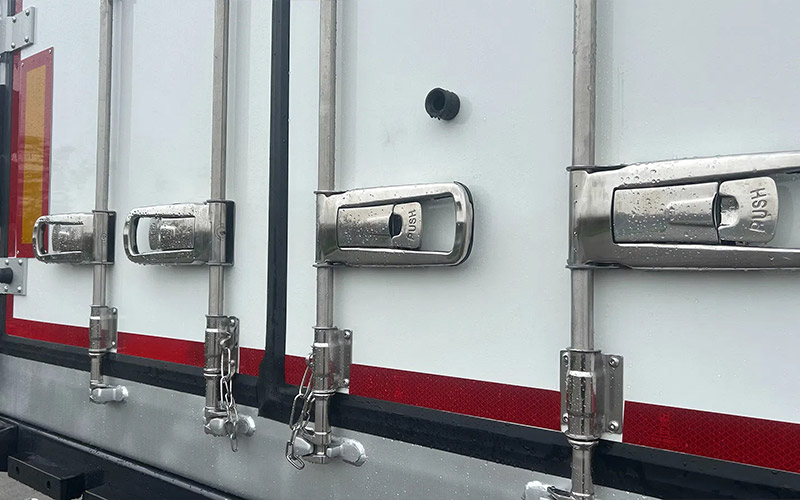
Inspect rear doors, side access points, hinges, locks, drain holes, and interior panels. Damaged seals allow warm air and moisture to enter. Clear floor channels and return-air areas so the system can circulate air evenly. A refrigerated semi trailer with blocked airflow may show a correct unit reading while cargo in the rear or upper stack warms unevenly.
Match Cargo Temperature to the Trailer
Load only cargo that has already reached the correct shipping temperature. Mixed-temperature freight should be separated only when the trailer configuration and operating plan support it. If the product is still cooling after production or packing, hold it in the warehouse. A refrigerated semi trailer performs best when it maintains a stable condition rather than correcting warehouse delays.
Plan Pallet Position and Air Circulation
Leave space around walls, doors, and the evaporator area. Do not crush flexible packaging against side panels, and avoid tall stacks that interrupt air return. When planning a refrigerated semi trailer purchase, ask how floor design, insulation, door layout, and refrigeration capacity match the normal pallet size and route profile.
Use a Simple Dispatch Table
| Checkpoint | What to Confirm | Why It Matters |
|---|---|---|
| Pre-cool | Body temperature is stable before loading | Reduces early temperature swing |
| Airflow | Floor channels and return air are clear | Helps the load cool evenly |
| Seals | Doors close tightly with no visible gaps | Limits warm air and condensation |
| Records | Set point, loading time, and cargo condition noted | Supports handover and dispute prevention |
Record Temperature and Handover Details
Record the set point, body temperature, cargo temperature if available, loading time, seal number, route instructions, and driver handover notes. A refrigerated semi trailer operation becomes easier to audit when each dispatch uses the same short checklist. Refrigerated semi trailer records also help separate equipment issues from loading, waiting, or unloading problems.
Clean and Inspect After Delivery
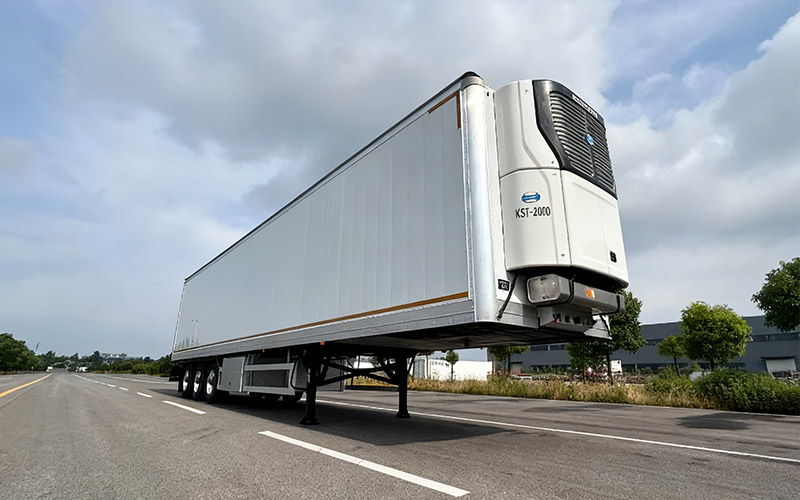
After unloading, remove packaging debris, check for liquid residue, inspect the floor and wall surfaces, and dry the body before the next assignment. For food logistics, cleaning should follow the shipper and receiver requirements. A refrigerated semi trailer that returns clean and dry is easier to pre-cool and less likely to carry odor or contamination into the next load.
When to Review Trailer Specification
If delays, multi-stop routes, high ambient temperatures, or recurring door openings are common, review the trailer specification instead of blaming every temperature alarm on the driver. Insulation, body length, unit capacity, door arrangement, floor type, and cargo mix all affect performance. YF Trailer also supports food perishables transport planning for buyers comparing fleet options.
Frequently Asked Questions
Can a refrigerated semi trailer cool warm cargo?
It is designed mainly to maintain temperature. Warm cargo should be cooled in the warehouse before loading.
How much space should be left for airflow?
Leave clear paths near walls, doors, floor channels, and the refrigeration return-air area so air can circulate.
Should the trailer be washed before every load?
Cleaning depends on the cargo and receiver requirements, but the body should always be free from residue, odor, and standing water.
What records should drivers keep?
At minimum, keep the set point, loading time, seal number, handover notes, and any visible cargo or equipment concerns.
When should buyers customize the specification?
Customization is worth reviewing when routes are long, unloading is frequent, ambient temperatures are high, or cargo types vary by season.
Talk to YF Trailer
If your fleet needs a refrigerated semi trailer for food distribution, cold-chain logistics, or mixed regional delivery, share your cargo type, route length, loading method, and operating climate with YF Trailer. The team can help review a practical configuration for your dispatch conditions.

Categorías de blogs
Contacte con nosotros
Últimas noticias
-
Semi Trailer Brake Inspection Checklist Before Regional Dispatch
-

Trailer Export Inspection Checklist for Overseas Buyers
-

Tanker Semi Trailer Manhole Inspection Guide Before Loading
-

Rear Dump Trailer Stability Checklist Before Unloading Loose Material
-

Bulk Powder Tanker Air Line Inspection Before Dry Bulk Loading
-

Semi Trailer Pre-Delivery Inspection Checklist for Overseas Buyers
-
Bulk Powder Tanker Air Compressor Matching Guide
-

How to Choose a Reliable Semi Trailer Manufacturer for Your Business
-

Flatbed Trailer Tie Down Point Inspection Before Industrial Loads
-

Fabricante de remolques de plataforma baja: Cómo elegir el socio adecuado para el transporte de maquinaria pesada
-
Semi Trailer Export Documentation Checklist for Overseas Buyers
-
Duplicate Draft – Special Purpose Trailer Maintenance Schedule
-

Container Chassis Selection Guide for Port and Inland Freight
-
Flatbed Trailer Loading Surface Guide for Machinery Buyers
-

Camiones semirremolque: Cómo elegir el adecuado para su negocio
-

Rear Dump Trailer Tailgate Seal Inspection for Wet Material Loads
-

Side Curtain Trailer Loading Access Guide for Pallet Freight
-
Lowbed Trailer Neck Design Guide for Equipment Transport
Vea nuestras soluciones sectoriales
O infórmese sobre otros contenidos del sector
A refrigerated semi trailer protects food, pharmaceuticals, and other temperature-sensitive cargo only when loading discipline matches the equipment. Many cold-chain issues begin before the vehicle leaves the yard: warm cargo, blocked air channels, weak door seals, rushed paperwork, or cargo stacked too tightly against the rear doors. This refrigerated semi trailer checklist helps dispatch teams prepare each load with fewer avoidable risks.
Why Loading Discipline Matters
A refrigerated semi trailer is part of a wider cold chain, not a repair tool for poor preparation. The refrigeration unit helps maintain the set temperature, but it should not be expected to cool down cargo that enters too warm. Before dispatch, confirm the cargo temperature, route duration, unloading points, and any cleaning requirement from the receiver.
Pre-Cool the Body Before Loading
Start the unit early enough to bring the body close to the required operating range. Keep doors closed during pre-cooling, and avoid loading while the interior is still recovering from washing or yard heat. A refrigerated semi trailer should be stabilized before pallets enter, especially when handling frozen food, dairy, meat, seafood, flowers, or chilled packaged goods.
Check Door Seals, Floor, and Airflow Paths
Inspect rear doors, side access points, hinges, locks, drain holes, and interior panels. Damaged seals allow warm air and moisture to enter. Clear floor channels and return-air areas so the system can circulate air evenly. A refrigerated semi trailer with blocked airflow may show a correct unit reading while cargo in the rear or upper stack warms unevenly.
Match Cargo Temperature to the Trailer
Load only cargo that has already reached the correct shipping temperature. Mixed-temperature freight should be separated only when the trailer configuration and operating plan support it. If the product is still cooling after production or packing, hold it in the warehouse. A refrigerated semi trailer performs best when it maintains a stable condition rather than correcting warehouse delays.
Plan Pallet Position and Air Circulation
Leave space around walls, doors, and the evaporator area. Do not crush flexible packaging against side panels, and avoid tall stacks that interrupt air return. When planning a refrigerated semi trailer purchase, ask how floor design, insulation, door layout, and refrigeration capacity match the normal pallet size and route profile.
Use a Simple Dispatch Table
| Checkpoint | What to Confirm | Why It Matters |
|---|---|---|
| Pre-cool | Body temperature is stable before loading | Reduces early temperature swing |
| Airflow | Floor channels and return air are clear | Helps the load cool evenly |
| Seals | Doors close tightly with no visible gaps | Limits warm air and condensation |
| Records | Set point, loading time, and cargo condition noted | Supports handover and dispute prevention |
Record Temperature and Handover Details
Record the set point, body temperature, cargo temperature if available, loading time, seal number, route instructions, and driver handover notes. A refrigerated semi trailer operation becomes easier to audit when each dispatch uses the same short checklist. Refrigerated semi trailer records also help separate equipment issues from loading, waiting, or unloading problems.
Clean and Inspect After Delivery
After unloading, remove packaging debris, check for liquid residue, inspect the floor and wall surfaces, and dry the body before the next assignment. For food logistics, cleaning should follow the shipper and receiver requirements. A refrigerated semi trailer that returns clean and dry is easier to pre-cool and less likely to carry odor or contamination into the next load.
When to Review Trailer Specification
If delays, multi-stop routes, high ambient temperatures, or recurring door openings are common, review the trailer specification instead of blaming every temperature alarm on the driver. Insulation, body length, unit capacity, door arrangement, floor type, and cargo mix all affect performance. YF Trailer also supports food perishables transport planning for buyers comparing fleet options.
Frequently Asked Questions
Can a refrigerated semi trailer cool warm cargo?
It is designed mainly to maintain temperature. Warm cargo should be cooled in the warehouse before loading.
How much space should be left for airflow?
Leave clear paths near walls, doors, floor channels, and the refrigeration return-air area so air can circulate.
Should the trailer be washed before every load?
Cleaning depends on the cargo and receiver requirements, but the body should always be free from residue, odor, and standing water.
What records should drivers keep?
At minimum, keep the set point, loading time, seal number, handover notes, and any visible cargo or equipment concerns.
When should buyers customize the specification?
Customization is worth reviewing when routes are long, unloading is frequent, ambient temperatures are high, or cargo types vary by season.
Talk to YF Trailer
If your fleet needs a refrigerated semi trailer for food distribution, cold-chain logistics, or mixed regional delivery, share your cargo type, route length, loading method, and operating climate with YF Trailer. The team can help review a practical configuration for your dispatch conditions.
Categorías de blogs
Contacte con nosotros
Últimas noticias
-
Semi Trailer Underride Guard Inspection Checklist for Fleet Safety
-
Container Chassis Inspection Checklist Before Port Dispatch
-
Tanker Semi Trailer Baffle Planning for Liquid Cargo Stability
-
Tanker Semi Trailer Manhole Inspection Guide Before Loading
-
Semi Trailer Pre-Delivery Inspection Checklist for Overseas Buyers
-
Remolques de gran tonelaje: Cómo elegir el adecuado
-

Tanker Semi Trailer Cleaning Preparation Before Cargo Changeover
-

Long Cargo Transport Checklist for Steel, Pipe, and Precast Loads
-

Personalización de Yufei: Reconstruir el valor del transporte
-
Semi Trailer Types Explained for Different Transport Industries
-
Semi Trailer Corrosion Protection Guide for Wet and Coastal Routes
-

Lowboy Trailer Ramp Angle Planning for Construction Machinery
-
Camiones semirremolque: Cómo elegir el adecuado para su negocio
-
Bulk Powder Tanker Air Line Inspection Before Dry Bulk Loading
-

Semi Trailer Suspension Selection Guide for Heavy Loads
-
Semi Trailer Import Checklist for Overseas Fleet Buyers
-

Remolque Cuello de Cisne Desmontable: Guía práctica para el transporte de maquinaria pesada
-

Semirremolques hidráulicos: Cómo elegir el modelo adecuado
-
Camiones semirremolque: Cómo elegir el adecuado para su negocio
-
Flatbed Trailer Loading Checklist for Safer Heavy Equipment Transport
Vea nuestras soluciones sectoriales
O infórmese sobre otros contenidos del sector
Equipos de ingeniería Transporte:
Los remolques a medida ofrecen soluciones eficientes
Yufei resuelve los problemas de transporte de equipos de ingeniería para una empresa de arrendamiento de equipos de Henan:
Puntos débiles de los clientes:
Capacidad de carga insuficiente para excavadoras de 35 toneladas, retrasos debidos a la escasa capacidad de giro en carreteras de obra estrechas y plazos de entrega de los remolques superiores a 45 días.
Solución:
Remolques de plataforma baja personalizados de 80 toneladas con plataformas de carga de 1,2 metros y dirección hidráulica, con líneas de producción flexibles para entregas rápidas.

Transporte de materiales peligrosos:
Los camiones cisterna de clase A mejoran la seguridad y aumentan los beneficios
Yufei resolvió un reto fundamental para su socio logístico, Sinopec, en el transporte de materiales peligrosos:
Puntos débiles de los clientes:
Los camiones cisterna antiguos presentan importantes riesgos de fuga, un peso propio de 12 toneladas limita la capacidad de carga y el consumo de combustible supera los 35 litros.
Solución:
La cisterna de clase A cuenta con un depósito de acero inoxidable 304, dispositivos de seguridad triples y una estructura ligera 0690.

Logística general:
Un remolque con estacas resuelve los problemas de capacidad de transporte
Yufei ayuda a una empresa logística de Shandong a superar los problemas de transporte durante las temporadas altas del comercio electrónico:
Puntos débiles de los clientes:
Los remolques viejos tienen tiempos de carga y descarga lentos, capacidad limitada para mercancías voluminosas, un consumo de combustible superior a 32 litros y una capacidad de transporte insuficiente durante las temporadas altas.
Solución:
Remolques de estacas plegables personalizables, construcción ligera de acero Q690 + autodescarga hidráulica.

[Casos prácticos de clientes]
Soluciones personalizadas de Yufei
Con sede en Liangshan, Yufei se ha especializado en semirremolques para usos especiales desde 2008, con casos de servicio reales en todo el mundo que demuestran su capacidad de fabricación inteligente.
[Casos prácticos de clientes]
Soluciones personalizadas de Yufei
Con sede en Liangshan, Yufei se ha especializado en semirremolques para usos especiales desde 2008, con casos de servicio reales en todo el mundo que demuestran su capacidad de fabricación inteligente.
Equipos de ingeniería Transporte:
Los remolques a medida ofrecen soluciones eficientes
Yufei resuelve los problemas de transporte de equipos de ingeniería para una empresa de arrendamiento de equipos de Henan:
Puntos débiles de los clientes:
Capacidad de carga insuficiente para excavadoras de 35 toneladas, retrasos debidos a la escasa capacidad de giro en carreteras de obra estrechas y plazos de entrega de los remolques superiores a 45 días.
Solución:
Remolques de plataforma baja personalizados de 80 toneladas con plataformas de carga de 1,2 metros y dirección hidráulica, con líneas de producción flexibles para entregas rápidas.
Transporte de materiales peligrosos:
Los camiones cisterna de clase A mejoran la seguridad y aumentan los beneficios
Yufei resolvió un reto fundamental para su socio logístico, Sinopec, en el transporte de materiales peligrosos:
Puntos débiles de los clientes:
Los camiones cisterna antiguos presentan importantes riesgos de fuga, un peso propio de 12 toneladas limita la capacidad de carga y el consumo de combustible supera los 35 litros.
Solución:
La cisterna de clase A cuenta con un depósito de acero inoxidable 304, dispositivos de seguridad triples y una estructura ligera 0690.
Logística general:
Un remolque con estacas resuelve los problemas de capacidad de transporte
Yufei ayuda a una empresa logística de Shandong a superar los problemas de transporte durante las temporadas altas del comercio electrónico:
Puntos débiles de los clientes:
Los remolques viejos tienen tiempos de carga y descarga lentos, capacidad limitada para mercancías voluminosas, un consumo de combustible superior a 32 litros y una capacidad de transporte insuficiente durante las temporadas altas.
Solución:
Remolques de estacas plegables personalizables, construcción ligera de acero Q690 + autodescarga hidráulica.
[Ventajas principales]
Competitividad básica
Impulsados por la inteligencia y el servicio
Fuerte
Equipo de I+D:
Equipo de 120 miembros, 451 títulos seniorTP3T, tecnología punta

Inteligente
Fabricación:
Soldadura robotizada, garantía de precisión 99%

Rápido
Personalización:
Líneas flexibles para necesidades diversas, entrega en 7 días

Estricto
Control de calidad:
Control total del proceso, certificación ISO9001

Completo
Postventa:
Respuesta 24 horas, asistencia operativa de por vida

Industrial
Grupo Adv:
Base de Liangshan, cadena de suministro eficiente

Ligero
Avance tecnológico:
Optimización de la topología, reducción de peso 18%

Complete
Cualificaciones:
Certificado CCC, Clase A para mercancías peligrosas

[Contáctenos]
Listo para encontrar su
Solución de remolque perfecta







