
Refrigerated Semi Trailer Loading Checklist for Cold Chain Dispatch</dynamictext
Refrigerated Semi Trailer Loading Checklist for Cold Chain Dispatch</dynamictext
A refrigerated semi trailer protects food, pharmaceuticals, and other temperature-sensitive cargo only when loading discipline matches the equipment. Many cold-chain issues begin before the vehicle leaves the yard: warm cargo, blocked air channels, weak door seals, rushed paperwork, or cargo stacked too tightly against the rear doors. This refrigerated semi trailer checklist helps dispatch teams prepare each load with fewer avoidable risks.

Why Loading Discipline Matters
A refrigerated semi trailer is part of a wider cold chain, not a repair tool for poor preparation. The refrigeration unit helps maintain the set temperature, but it should not be expected to cool down cargo that enters too warm. Before dispatch, confirm the cargo temperature, route duration, unloading points, and any cleaning requirement from the receiver.
Pre-Cool the Body Before Loading
Start the unit early enough to bring the body close to the required operating range. Keep doors closed during pre-cooling, and avoid loading while the interior is still recovering from washing or yard heat. A refrigerated semi trailer should be stabilized before pallets enter, especially when handling frozen food, dairy, meat, seafood, flowers, or chilled packaged goods.
Check Door Seals, Floor, and Airflow Paths
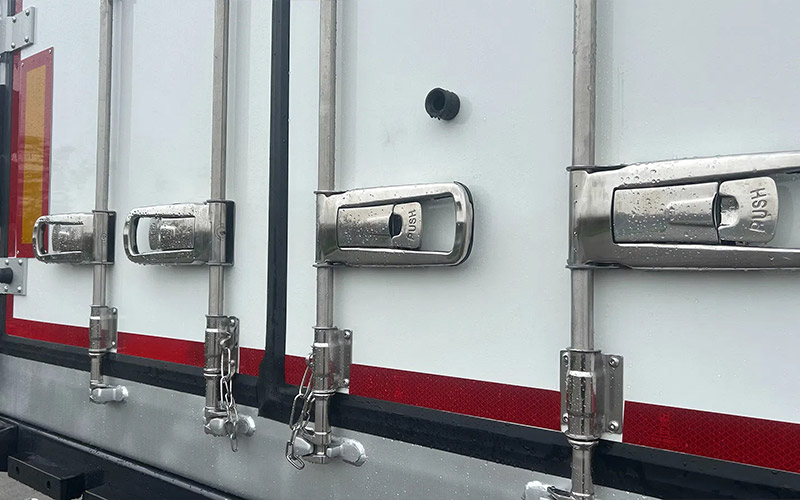
Inspect rear doors, side access points, hinges, locks, drain holes, and interior panels. Damaged seals allow warm air and moisture to enter. Clear floor channels and return-air areas so the system can circulate air evenly. A refrigerated semi trailer with blocked airflow may show a correct unit reading while cargo in the rear or upper stack warms unevenly.
Match Cargo Temperature to the Trailer
Load only cargo that has already reached the correct shipping temperature. Mixed-temperature freight should be separated only when the trailer configuration and operating plan support it. If the product is still cooling after production or packing, hold it in the warehouse. A refrigerated semi trailer performs best when it maintains a stable condition rather than correcting warehouse delays.
Plan Pallet Position and Air Circulation
Leave space around walls, doors, and the evaporator area. Do not crush flexible packaging against side panels, and avoid tall stacks that interrupt air return. When planning a refrigerated semi trailer purchase, ask how floor design, insulation, door layout, and refrigeration capacity match the normal pallet size and route profile.
Use a Simple Dispatch Table
| Checkpoint | What to Confirm | Why It Matters |
|---|---|---|
| Pre-cool | Body temperature is stable before loading | Reduces early temperature swing |
| Airflow | Floor channels and return air are clear | Helps the load cool evenly |
| Seals | Doors close tightly with no visible gaps | Limits warm air and condensation |
| Records | Set point, loading time, and cargo condition noted | Supports handover and dispute prevention |
Record Temperature and Handover Details
Record the set point, body temperature, cargo temperature if available, loading time, seal number, route instructions, and driver handover notes. A refrigerated semi trailer operation becomes easier to audit when each dispatch uses the same short checklist. Refrigerated semi trailer records also help separate equipment issues from loading, waiting, or unloading problems.
Clean and Inspect After Delivery
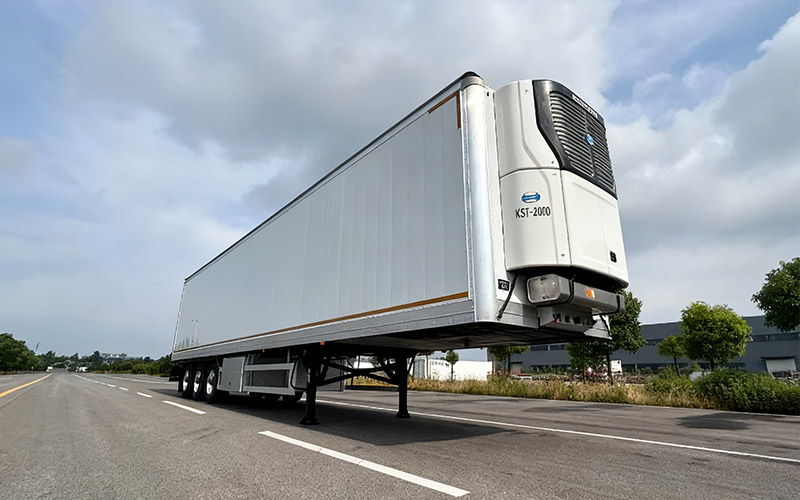
After unloading, remove packaging debris, check for liquid residue, inspect the floor and wall surfaces, and dry the body before the next assignment. For food logistics, cleaning should follow the shipper and receiver requirements. A refrigerated semi trailer that returns clean and dry is easier to pre-cool and less likely to carry odor or contamination into the next load.
When to Review Trailer Specification
If delays, multi-stop routes, high ambient temperatures, or recurring door openings are common, review the trailer specification instead of blaming every temperature alarm on the driver. Insulation, body length, unit capacity, door arrangement, floor type, and cargo mix all affect performance. YF Trailer also supports food perishables transport planning for buyers comparing fleet options.
Frequently Asked Questions
Can a refrigerated semi trailer cool warm cargo?
It is designed mainly to maintain temperature. Warm cargo should be cooled in the warehouse before loading.
How much space should be left for airflow?
Leave clear paths near walls, doors, floor channels, and the refrigeration return-air area so air can circulate.
Should the trailer be washed before every load?
Cleaning depends on the cargo and receiver requirements, but the body should always be free from residue, odor, and standing water.
What records should drivers keep?
At minimum, keep the set point, loading time, seal number, handover notes, and any visible cargo or equipment concerns.
When should buyers customize the specification?
Customization is worth reviewing when routes are long, unloading is frequent, ambient temperatures are high, or cargo types vary by season.
Talk to YF Trailer
If your fleet needs a refrigerated semi trailer for food distribution, cold-chain logistics, or mixed regional delivery, share your cargo type, route length, loading method, and operating climate with YF Trailer. The team can help review a practical configuration for your dispatch conditions.

Категории блога
Свяжитесь с нами
Последние новости
-

Semi Trailer Landing Gear Inspection Checklist for Safer Yard Operations
-

Special Purpose Trailer Maintenance Schedule for Fleet Reliability
-

Container Chassis Selection Guide for Port and Inland Freight
-

Side Curtain Trailer Loading Access Guide for Pallet Freight
-

Lowbed Trailer Hydraulic Ramp Guide for Equipment Loading
-

Rear Dump Semi Trailer Selection Guide for Aggregate and Jobsite Work
-

Trailer Export Inspection Checklist for Overseas Buyers
-

Semi Trailer Export Documentation Checklist for Overseas Buyers
-
Side Curtain Trailer Weatherproofing Checklist for Palletized Freight
-

Rear Dump Trailer Tailgate Seal Inspection for Wet Material Loads
-
Flatbed Trailer Loading Checklist for Safer Heavy Equipment Transport
-

Перевозка сыпучих порошков: Танкер для перевозки порошка Yufei, нулевые потери
-
Semi Trailer Shipping Protection Guide for Overseas Buyers
-
Semi Trailer Wheel Bearing Inspection Guide for Long-Distance Fleets
-
Как выбрать полуприцеп для разных регионов и дорожных условий
-

Сотрудничество в рамках цепочки поставок, трейлеры создают экосистему "промышленность - академия
-

Пик сезона электронной коммерции: прицеп на колесах Yufei, удвоенная эффективность.
-
Lowbed Trailer Neck Design Guide for Equipment Transport
Ознакомьтесь с нашими отраслевыми решениями
Или узнайте о других отраслевых материалах
A refrigerated semi trailer protects food, pharmaceuticals, and other temperature-sensitive cargo only when loading discipline matches the equipment. Many cold-chain issues begin before the vehicle leaves the yard: warm cargo, blocked air channels, weak door seals, rushed paperwork, or cargo stacked too tightly against the rear doors. This refrigerated semi trailer checklist helps dispatch teams prepare each load with fewer avoidable risks.
Why Loading Discipline Matters
A refrigerated semi trailer is part of a wider cold chain, not a repair tool for poor preparation. The refrigeration unit helps maintain the set temperature, but it should not be expected to cool down cargo that enters too warm. Before dispatch, confirm the cargo temperature, route duration, unloading points, and any cleaning requirement from the receiver.
Pre-Cool the Body Before Loading
Start the unit early enough to bring the body close to the required operating range. Keep doors closed during pre-cooling, and avoid loading while the interior is still recovering from washing or yard heat. A refrigerated semi trailer should be stabilized before pallets enter, especially when handling frozen food, dairy, meat, seafood, flowers, or chilled packaged goods.
Check Door Seals, Floor, and Airflow Paths
Inspect rear doors, side access points, hinges, locks, drain holes, and interior panels. Damaged seals allow warm air and moisture to enter. Clear floor channels and return-air areas so the system can circulate air evenly. A refrigerated semi trailer with blocked airflow may show a correct unit reading while cargo in the rear or upper stack warms unevenly.
Match Cargo Temperature to the Trailer
Load only cargo that has already reached the correct shipping temperature. Mixed-temperature freight should be separated only when the trailer configuration and operating plan support it. If the product is still cooling after production or packing, hold it in the warehouse. A refrigerated semi trailer performs best when it maintains a stable condition rather than correcting warehouse delays.
Plan Pallet Position and Air Circulation
Leave space around walls, doors, and the evaporator area. Do not crush flexible packaging against side panels, and avoid tall stacks that interrupt air return. When planning a refrigerated semi trailer purchase, ask how floor design, insulation, door layout, and refrigeration capacity match the normal pallet size and route profile.
Use a Simple Dispatch Table
| Checkpoint | What to Confirm | Why It Matters |
|---|---|---|
| Pre-cool | Body temperature is stable before loading | Reduces early temperature swing |
| Airflow | Floor channels and return air are clear | Helps the load cool evenly |
| Seals | Doors close tightly with no visible gaps | Limits warm air and condensation |
| Records | Set point, loading time, and cargo condition noted | Supports handover and dispute prevention |
Record Temperature and Handover Details
Record the set point, body temperature, cargo temperature if available, loading time, seal number, route instructions, and driver handover notes. A refrigerated semi trailer operation becomes easier to audit when each dispatch uses the same short checklist. Refrigerated semi trailer records also help separate equipment issues from loading, waiting, or unloading problems.
Clean and Inspect After Delivery
After unloading, remove packaging debris, check for liquid residue, inspect the floor and wall surfaces, and dry the body before the next assignment. For food logistics, cleaning should follow the shipper and receiver requirements. A refrigerated semi trailer that returns clean and dry is easier to pre-cool and less likely to carry odor or contamination into the next load.
When to Review Trailer Specification
If delays, multi-stop routes, high ambient temperatures, or recurring door openings are common, review the trailer specification instead of blaming every temperature alarm on the driver. Insulation, body length, unit capacity, door arrangement, floor type, and cargo mix all affect performance. YF Trailer also supports food perishables transport planning for buyers comparing fleet options.
Frequently Asked Questions
Can a refrigerated semi trailer cool warm cargo?
It is designed mainly to maintain temperature. Warm cargo should be cooled in the warehouse before loading.
How much space should be left for airflow?
Leave clear paths near walls, doors, floor channels, and the refrigeration return-air area so air can circulate.
Should the trailer be washed before every load?
Cleaning depends on the cargo and receiver requirements, but the body should always be free from residue, odor, and standing water.
What records should drivers keep?
At minimum, keep the set point, loading time, seal number, handover notes, and any visible cargo or equipment concerns.
When should buyers customize the specification?
Customization is worth reviewing when routes are long, unloading is frequent, ambient temperatures are high, or cargo types vary by season.
Talk to YF Trailer
If your fleet needs a refrigerated semi trailer for food distribution, cold-chain logistics, or mixed regional delivery, share your cargo type, route length, loading method, and operating climate with YF Trailer. The team can help review a practical configuration for your dispatch conditions.
Категории блога
Свяжитесь с нами
Последние новости
-

Tanker Semi Trailer Valve Inspection Checklist Before Dispatch
-

Съемный полуприцеп: Практическое руководство по перевозке тяжелой техники
-
Refrigerated Semi Trailer Door Seal Inspection for Cold Chain Loads
-
Semi Trailer Export Documentation Checklist for Overseas Buyers
-

Flatbed Trailer Deck Wear Inspection for Machinery Transport
-

Heavy Haul Trailer Guide: Types, Specs & Buying Tips
-
Flatbed Trailer Loading Surface Guide for Machinery Buyers
-
Semi Trailer Suspension Inspection Guide for Rough Road Operations
-
Грузовики с полуприцепами: Как выбрать подходящий для вашего бизнеса
-
Semi Trailer Tire Maintenance Checklist for Long-Distance Fleets
-

Lowboy Trailer Ramp Angle Planning for Construction Machinery
-
Container Chassis Landing Gear Matching Guide for Yard Operations
-
Низкорамный прицеп: полный гид по перевозке тяжелой техники
-
Side Curtain Trailer Loading Access Guide for Pallet Freight
-
Container Chassis Inspection Checklist Before Port Dispatch
-
Stake Side Semi Trailer Side Board Inspection for Mixed Cargo
-
Container Chassis Selection Guide for Port and Inland Freight
Ознакомьтесь с нашими отраслевыми решениями
Или узнайте о других отраслевых материалах
Инженерное оборудование Транспорт:
Прицепы на заказ обеспечивают эффективные решения
Юфэй решает проблемы транспортировки инженерного оборудования для компании по лизингу оборудования из Хэнани:
Болевые точки клиентов:
Недостаточная грузоподъемность 35-тонных экскаваторов, задержки из-за плохих возможностей разворота на узких дорогах стройплощадок, а также сроки доставки прицепов, превышающие 45 дней.
Решение:
80-тонные низкорамные полуприцепы с грузовыми платформами длиной 1,2 метра и гидравлическим рулевым управлением, изготовленные по индивидуальному заказу, с гибкими производственными линиями для ускоренной доставки.

Транспортировка опасных материалов:
Грузовики-цистерны класса А повышают безопасность и увеличивают прибыль
Компания Yufei решила основную проблему своего логистического партнера, компании Sinopec, связанную с транспортировкой опасных материалов:
Болевые точки клиентов:
Старые автоцистерны имеют значительный риск утечки, 12-тонный собственный вес ограничивает грузоподъемность, а расход топлива превышает 35 л.
Решение:
Цистерна класса А имеет нержавеющую цистерну 304, тройные предохранительные устройства и легкую конструкцию 0690.

Общая логистика:
Прицеп с кольями решает проблемы с пропускной способностью
Yufei помогает логистической компании из Шаньдуна преодолевать проблемы с транспортировкой в пиковые сезоны электронной коммерции:
Болевые точки клиентов:
Старые прицепы имеют медленное время погрузки и разгрузки, ограниченную вместимость для крупногабаритных грузов, расход топлива превышает 32 л, а в пиковые сезоны не хватает транспортных мощностей.
Решение:
Настраиваемые складные прицепы с кольями, легкая стальная конструкция Q690 + гидравлическая саморазгрузка.

[Примеры из практики клиентов]
Индивидуальные решения Юфэй
Компания Yufei, расположенная в Ляншане, специализируется на производстве полуприцепов специального назначения с 2008 года, а реальные примеры из практики по всему миру демонстрируют ее интеллектуальные производственные возможности.
[Примеры из практики клиентов]
Индивидуальные решения Юфэй
Компания Yufei, расположенная в Ляншане, специализируется на производстве полуприцепов специального назначения с 2008 года, а реальные примеры из практики по всему миру демонстрируют ее интеллектуальные производственные возможности.
Инженерное оборудование Транспорт:
Прицепы на заказ обеспечивают эффективные решения
Юфэй решает проблемы транспортировки инженерного оборудования для компании по лизингу оборудования из Хэнани:
Болевые точки клиентов:
Недостаточная грузоподъемность 35-тонных экскаваторов, задержки из-за плохих возможностей разворота на узких дорогах стройплощадок, а также сроки доставки прицепов, превышающие 45 дней.
Решение:
80-тонные низкорамные полуприцепы с грузовыми платформами длиной 1,2 метра и гидравлическим рулевым управлением, изготовленные по индивидуальному заказу, с гибкими производственными линиями для ускоренной доставки.
Транспортировка опасных материалов:
Грузовики-цистерны класса А повышают безопасность и увеличивают прибыль
Компания Yufei решила основную проблему своего логистического партнера, компании Sinopec, связанную с транспортировкой опасных материалов:
Болевые точки клиентов:
Старые автоцистерны имеют значительный риск утечки, 12-тонный собственный вес ограничивает грузоподъемность, а расход топлива превышает 35 л.
Решение:
Цистерна класса А имеет нержавеющую цистерну 304, тройные предохранительные устройства и легкую конструкцию 0690.
Общая логистика:
Прицеп с кольями решает проблемы с пропускной способностью
Yufei помогает логистической компании из Шаньдуна преодолевать проблемы с транспортировкой в пиковые сезоны электронной коммерции:
Болевые точки клиентов:
Старые прицепы имеют медленное время погрузки и разгрузки, ограниченную вместимость для крупногабаритных грузов, расход топлива превышает 32 л, а в пиковые сезоны не хватает транспортных мощностей.
Решение:
Настраиваемые складные прицепы с кольями, легкая стальная конструкция Q690 + гидравлическая саморазгрузка.
[Основные преимущества]
Основная конкурентоспособность
Интеллект и сервис
Сильный
Команда НИОКР:
Команда из 120 человек, 451 титул старшего классаTP3T, ведущий технический специалист

Интеллектуальный
Производство:
Роботизированная сварка, гарантия точности 99%+

Быстрая
Персонализация:
Гибкие линии для различных потребностей, доставка в течение 7 дней

Строгий
Контроль качества:
Полный контроль процесса, сертификат ISO9001

Всеобъемлющий
Послепродажное обслуживание:
Круглосуточное реагирование, пожизненная эксплуатационная поддержка

Промышленность
Кластер Adv:
База Ляншань, эффективная цепочка поставок

Легкий
Технологический прорыв:
Оптимизация топологии, снижение веса 18%

Полный
Квалификация:
Сертифицировано CCC, класс A для опасных грузов

[Свяжитесь с нами]
Готовы найти свой
Идеальное решение для прицепов







