
Container Chassis Inspection Checklist Before Port Dispatch
Container Chassis Inspection Checklist Before Port Dispatch
Container chassis inspection is a practical dispatch habit, not just a yard form. For port transfer, inland depot work, and cross-border container routes, a small fault at the twist lock, frame, lights, tires, or brake line can delay loading or create a serious road risk. This checklist helps fleet managers, drivers, and loading supervisors inspect a skeletal trailer before a container leaves the yard.

Start with the Container Assignment
A useful container chassis inspection begins before anyone walks around the trailer. Confirm the container size, expected gross weight, cargo sensitivity, route restrictions, pickup time, and receiving yard rules. A 20-foot container, 40-foot container, and mixed depot schedule can place different demands on lock positions, axle loading, and driver visibility.
If the dispatch team changes the assignment, repeat the container chassis inspection instead of assuming the trailer is still ready. The trailer may be mechanically sound but wrong for the box position or route condition.
Check the Frame and Main Beams
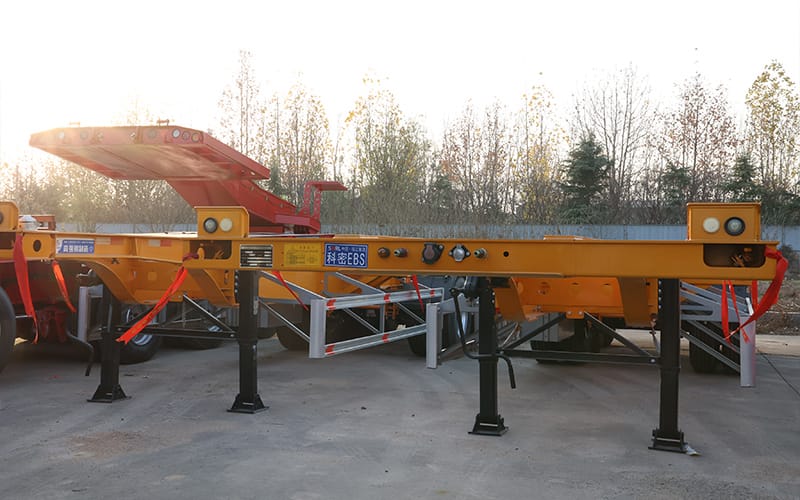
Walk the full length of the chassis and look for cracked welds, fresh deformation, loose cross members, severe corrosion, missing fasteners, or impact marks around the kingpin area. Pay attention to areas that carry repeated stress: landing gear mounts, suspension brackets, rear bolster, and container support points. Container chassis inspection should also include any repair areas from previous yard damage.
Inspect Twist Locks Before Loading
Twist locks are the direct connection between the container and the trailer. Make sure each lock turns freely, seats fully, and shows no visible cracking, bending, heavy wear, or missing handle components. Clean mud, rust flakes, and debris away from the lock pocket before loading. A container chassis inspection is incomplete until every active lock position is checked against the container size being carried.
The basic concept of a twistlock is simple, but poor locking discipline can still cause major problems. After the container is set down, confirm the lock position again before the unit moves.
Review Tires, Brakes, and Suspension
Container work often involves short moves, tight turns, rough yards, and frequent braking. Check tire pressure, tread condition, sidewall cuts, wheel nuts, brake chambers, air lines, suspension springs or airbags, and visible leaks. During container chassis inspection, treat uneven tire wear as a clue: it may point to axle alignment, suspension damage, or repeated overloading.
Container Chassis Inspection Dispatch Checklist
A written container chassis inspection checklist gives drivers a clear pass-or-stop standard and helps supervisors compare defects between shifts.
| Check area | What to confirm | Dispatch risk reduced |
|---|---|---|
| Frame | No cracks, loose brackets, or impact damage | Structural failure and yard rejection |
| Twist locks | Correct positions, clean pockets, full locking action | Container movement during transport |
| Running gear | Tires, brakes, suspension, and air lines are roadworthy | Breakdowns and enforcement delays |
| Lights and markers | Brake lights, turn signals, side markers, and reflectors work | Poor visibility in port and highway traffic |
| Documents | Container number, seal number, route notes, and driver handover are clear | Delivery disputes and wrong-container movement |
Confirm Lights, Markings, and Documents
Electrical faults are easy to ignore in daylight but costly at the gate. Test tail lights, brake lights, indicators, side markers, license plate lights, reflective tape, and the electrical connector. For night shifts, container chassis inspection should include a second look at weak lamps and damaged marker lenses. Container chassis inspection should finish with the paperwork: container number, seal number, gross weight, driver details, pickup location, delivery address, and any special yard instruction.
Match the Trailer to the Route
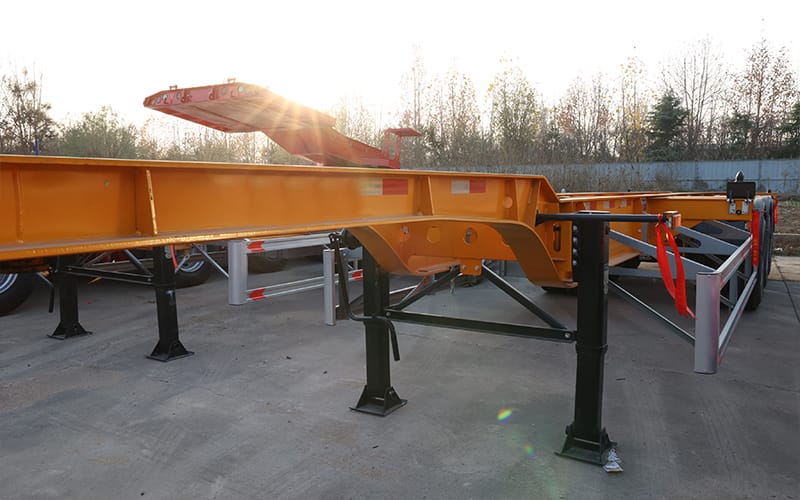
A checklist cannot fix a poor equipment match. For regular container work, review axle layout, suspension type, lock configuration, tare weight, turning radius, and maintenance access. Buyers comparing a Skeletal Semi-Trailer should connect the specification to normal container sizes, road conditions, tractor capacity, and loading frequency.
Yard-only moves, port-to-warehouse routes, and long highway transfers do not create the same duty cycle. A fleet that handles mixed logistics should also review النقل اللوجستي العام requirements before standardizing one trailer setup.
Build the Routine into Daily Work
The best container chassis inspection routine is short, repeatable, and easy to audit. Assign responsibility, record defects immediately, keep container chassis inspection records with the work order, and stop dispatch when a lock, brake, tire, or frame issue is unresolved. Drivers should not be pressured to accept a trailer that has not passed the same process used for every other container move.
For fleet buyers, container chassis inspection results are also useful procurement feedback. Repeated problems around lock access, wiring protection, suspension wear, or landing gear position may show where the next trailer specification should be improved. When the checklist becomes part of daily dispatch, the fleet gains safer container handling, fewer gate delays, and clearer maintenance priorities.
Talk to YF Trailer
If your team needs a skeletal trailer for port transfer, container depot work, or cross-border logistics, share your normal container sizes, payload range, road conditions, and inspection concerns with YF Trailer. The team can help review a practical chassis configuration for your operation.
فئات المدونة
اتصل بنا
آخر الأخبار
-

Tanker Semi Trailer Baffle Planning for Liquid Cargo Stability
-

Heavy Equipment Transport: Complete Guide to Oversized Cargo Logistics
-

Tanker Semi Trailer Compartment Planning for Safer Liquid Cargo Dispatch
-

Flatbed Trailer Loading Surface Guide for Machinery Buyers
-

Semi Trailer Import Checklist for Overseas Fleet Buyers
-

Side Curtain Trailer Loading Access Guide for Pallet Freight
-
Semi Trailer Export Documentation Checklist for Overseas Buyers
-

تخصيص يوفي: إعادة بناء قيمة النقل
-

إطلاق مقطورة Yufei للخدمة الشاقة وتمكين التكنولوجيا
-

نقل المساحيق السائبة: ناقلة مسحوق يوفي، ناقلة مسحوق يوفي، صفر خسارة
-

مقطورة معقوفة قابلة للفصل: دليل عملي لنقل المعدات الثقيلة
-
Semi Trailer Maintenance Records Guide for Fleet Buyers
-

Lowbed Trailer Hydraulic Ramp Guide for Equipment Loading
-

Lowbed Trailer Route Survey Checklist for Heavy Equipment Moves
-

موسم ذروة التجارة الإلكترونية: مقطورة حصة Yufei، مضاعفة الكفاءة.
-
Semi Trailer Lighting Inspection for Night Loading and Yard Safety
-

Bulk Powder Tanker Loading Plan for Cleaner Dry Bulk Dispatch
عرض حلول الصناعة لدينا
أو تعرف على محتوى الصناعة الأخرى
Container chassis inspection is a practical dispatch habit, not just a yard form. For port transfer, inland depot work, and cross-border container routes, a small fault at the twist lock, frame, lights, tires, or brake line can delay loading or create a serious road risk. This checklist helps fleet managers, drivers, and loading supervisors inspect a skeletal trailer before a container leaves the yard.
Start with the Container Assignment
A useful container chassis inspection begins before anyone walks around the trailer. Confirm the container size, expected gross weight, cargo sensitivity, route restrictions, pickup time, and receiving yard rules. A 20-foot container, 40-foot container, and mixed depot schedule can place different demands on lock positions, axle loading, and driver visibility.
If the dispatch team changes the assignment, repeat the container chassis inspection instead of assuming the trailer is still ready. The trailer may be mechanically sound but wrong for the box position or route condition.
Check the Frame and Main Beams
Walk the full length of the chassis and look for cracked welds, fresh deformation, loose cross members, severe corrosion, missing fasteners, or impact marks around the kingpin area. Pay attention to areas that carry repeated stress: landing gear mounts, suspension brackets, rear bolster, and container support points. Container chassis inspection should also include any repair areas from previous yard damage.
Inspect Twist Locks Before Loading
Twist locks are the direct connection between the container and the trailer. Make sure each lock turns freely, seats fully, and shows no visible cracking, bending, heavy wear, or missing handle components. Clean mud, rust flakes, and debris away from the lock pocket before loading. A container chassis inspection is incomplete until every active lock position is checked against the container size being carried.
The basic concept of a twistlock is simple, but poor locking discipline can still cause major problems. After the container is set down, confirm the lock position again before the unit moves.
Review Tires, Brakes, and Suspension
Container work often involves short moves, tight turns, rough yards, and frequent braking. Check tire pressure, tread condition, sidewall cuts, wheel nuts, brake chambers, air lines, suspension springs or airbags, and visible leaks. During container chassis inspection, treat uneven tire wear as a clue: it may point to axle alignment, suspension damage, or repeated overloading.
Container Chassis Inspection Dispatch Checklist
A written container chassis inspection checklist gives drivers a clear pass-or-stop standard and helps supervisors compare defects between shifts.
| Check area | What to confirm | Dispatch risk reduced |
|---|---|---|
| Frame | No cracks, loose brackets, or impact damage | Structural failure and yard rejection |
| Twist locks | Correct positions, clean pockets, full locking action | Container movement during transport |
| Running gear | Tires, brakes, suspension, and air lines are roadworthy | Breakdowns and enforcement delays |
| Lights and markers | Brake lights, turn signals, side markers, and reflectors work | Poor visibility in port and highway traffic |
| Documents | Container number, seal number, route notes, and driver handover are clear | Delivery disputes and wrong-container movement |
Confirm Lights, Markings, and Documents
Electrical faults are easy to ignore in daylight but costly at the gate. Test tail lights, brake lights, indicators, side markers, license plate lights, reflective tape, and the electrical connector. For night shifts, container chassis inspection should include a second look at weak lamps and damaged marker lenses. Container chassis inspection should finish with the paperwork: container number, seal number, gross weight, driver details, pickup location, delivery address, and any special yard instruction.
Match the Trailer to the Route
A checklist cannot fix a poor equipment match. For regular container work, review axle layout, suspension type, lock configuration, tare weight, turning radius, and maintenance access. Buyers comparing a Skeletal Semi-Trailer should connect the specification to normal container sizes, road conditions, tractor capacity, and loading frequency.
Yard-only moves, port-to-warehouse routes, and long highway transfers do not create the same duty cycle. A fleet that handles mixed logistics should also review النقل اللوجستي العام requirements before standardizing one trailer setup.
Build the Routine into Daily Work
The best container chassis inspection routine is short, repeatable, and easy to audit. Assign responsibility, record defects immediately, keep container chassis inspection records with the work order, and stop dispatch when a lock, brake, tire, or frame issue is unresolved. Drivers should not be pressured to accept a trailer that has not passed the same process used for every other container move.
For fleet buyers, container chassis inspection results are also useful procurement feedback. Repeated problems around lock access, wiring protection, suspension wear, or landing gear position may show where the next trailer specification should be improved. When the checklist becomes part of daily dispatch, the fleet gains safer container handling, fewer gate delays, and clearer maintenance priorities.
Talk to YF Trailer
If your team needs a skeletal trailer for port transfer, container depot work, or cross-border logistics, share your normal container sizes, payload range, road conditions, and inspection concerns with YF Trailer. The team can help review a practical chassis configuration for your operation.
فئات المدونة
اتصل بنا
آخر الأخبار
-

Lowboy Trailer Ramp Angle Planning for Construction Machinery
-

نصف المقطورات الهيدروليكية: كيفية اختيار الطراز المناسب
-
Side Curtain Trailer Loading Access Guide for Pallet Freight
-

Semi Trailer Brake Inspection Checklist Before Regional Dispatch
-
Container Chassis Inspection Checklist Before Port Dispatch
-

Trailer Export Inspection Checklist for Overseas Buyers
-
Duplicate Draft – Special Purpose Trailer Maintenance Schedule
-

Rear Dump Semi Trailer Selection Guide for Aggregate and Jobsite Work
-
Lowbed Trailer Route Survey Checklist for Heavy Equipment Moves
-
Rear Dump Trailer Tailgate Seal Inspection for Wet Material Loads
-
Lowbed Trailer Neck Design Guide for Equipment Transport
-
قيادة الكفاءة والسلامة: شبه مقطورات ومركبات الأغراض الخاصة
-
Container Chassis Selection Guide for Port and Inland Freight
-
شاحنات نصف المقطورة: كيفية اختيار الشاحنة المناسبة لشركتك
-
Heavy Equipment Transport: Complete Guide to Oversized Cargo Logistics
-

Semi Trailer Suspension Selection Guide for Heavy Loads
-
Semi Trailer After-Sales Support Checklist for Importers
-
شاحنات نصف المقطورة: كيفية اختيار الشاحنة المناسبة لشركتك
عرض حلول الصناعة لدينا
أو تعرف على محتوى الصناعة الأخرى
نقل المعدات الهندسية النقل:
المقطورات المخصصة توفر حلولاً فعالة
تقوم Yufei بحل مشاكل نقل المعدات الهندسية لشركة خنان لتأجير المعدات:
نقاط ألم العميل:
عدم كفاية القدرة الاستيعابية للحفارات التي تزن 35 طناً، والتأخير بسبب ضعف قدرات الدوران على طرق مواقع البناء الضيقة، وتجاوز مدة تسليم المقطورات 45 يوماً.
الحل:
مقطورات مخصصة منخفضة السعة 80 طناً مزودة بمنصات شحن بطول 1.2 متر ومزودة بمقود هيدروليكي، مع خطوط إنتاج مرنة للتسليم السريع.

نقل المواد الخطرة:
شاحنات الصهاريج من الفئة A تعزز السلامة وتزيد الأرباح
حلّت Yufei تحديًا أساسيًا لشريكها اللوجستي، شركة Sinopec، في نقل المواد الخطرة:
نقاط ألم العميل:
تنطوي شاحنات الصهاريج القديمة على مخاطر تسرب كبيرة، ويحد الوزن الذاتي البالغ 12 طناً من سعة الحمولة، ويتجاوز استهلاك الوقود 35 لتراً.
الحل:
تحتوي الناقلة من الفئة A على خزان 304 غير قابل للصدأ، وأجهزة أمان ثلاثية وهيكل خفيف الوزن 0690.

الخدمات اللوجستية العامة:
مقطورة الحصة المقطورة تحل تحديات سعة النقل
تساعد Yufei إحدى شركات الخدمات اللوجستية في شاندونغ في التغلب على مشاكل النقل خلال مواسم ذروة التجارة الإلكترونية:
نقاط ألم العميل:
تتسم المقطورات القديمة ببطء أوقات التحميل والتفريغ، وسعتها المحدودة للبضائع الضخمة، واستهلاكها للوقود الذي يتجاوز 32 لتراً، وعدم كفاية سعة النقل خلال مواسم الذروة.
الحل:
مقطورات قابلة للطي قابلة للتخصيص، هيكل فولاذي خفيف الوزن Q690 + تفريغ ذاتي هيدروليكي.

[دراسات حالة العميل]
حلول Yufei المخصصة
تتخذ شركة Yufei من ليانغشان مقراً لها، وهي متخصصة في صناعة المقطورات ذات الأغراض الخاصة/شبه المقطورات منذ عام 2008، مع وجود حالات خدمة حقيقية في جميع أنحاء العالم تثبت قدراتها التصنيعية الذكية.
[دراسات حالة العميل]
حلول Yufei المخصصة
تتخذ شركة Yufei من ليانغشان مقراً لها، وهي متخصصة في صناعة المقطورات ذات الأغراض الخاصة/شبه المقطورات منذ عام 2008، مع وجود حالات خدمة حقيقية في جميع أنحاء العالم تثبت قدراتها التصنيعية الذكية.
نقل المعدات الهندسية النقل:
المقطورات المخصصة توفر حلولاً فعالة
تقوم Yufei بحل مشاكل نقل المعدات الهندسية لشركة خنان لتأجير المعدات:
نقاط ألم العميل:
عدم كفاية القدرة الاستيعابية للحفارات التي تزن 35 طناً، والتأخير بسبب ضعف قدرات الدوران على طرق مواقع البناء الضيقة، وتجاوز مدة تسليم المقطورات 45 يوماً.
الحل:
مقطورات مخصصة منخفضة السعة 80 طناً مزودة بمنصات شحن بطول 1.2 متر ومزودة بمقود هيدروليكي، مع خطوط إنتاج مرنة للتسليم السريع.
نقل المواد الخطرة:
شاحنات الصهاريج من الفئة A تعزز السلامة وتزيد الأرباح
حلّت Yufei تحديًا أساسيًا لشريكها اللوجستي، شركة Sinopec، في نقل المواد الخطرة:
نقاط ألم العميل:
تنطوي شاحنات الصهاريج القديمة على مخاطر تسرب كبيرة، ويحد الوزن الذاتي البالغ 12 طناً من سعة الحمولة، ويتجاوز استهلاك الوقود 35 لتراً.
الحل:
تحتوي الناقلة من الفئة A على خزان 304 غير قابل للصدأ، وأجهزة أمان ثلاثية وهيكل خفيف الوزن 0690.
الخدمات اللوجستية العامة:
مقطورة الحصة المقطورة تحل تحديات سعة النقل
تساعد Yufei إحدى شركات الخدمات اللوجستية في شاندونغ في التغلب على مشاكل النقل خلال مواسم ذروة التجارة الإلكترونية:
نقاط ألم العميل:
تتسم المقطورات القديمة ببطء أوقات التحميل والتفريغ، وسعتها المحدودة للبضائع الضخمة، واستهلاكها للوقود الذي يتجاوز 32 لتراً، وعدم كفاية سعة النقل خلال مواسم الذروة.
الحل:
مقطورات قابلة للطي قابلة للتخصيص، هيكل فولاذي خفيف الوزن Q690 + تفريغ ذاتي هيدروليكي.
[المزايا الأساسية]
التنافسية الأساسية
مدفوعة بالذكاء والخدمة
قوي
فريق البحث والتطوير : فريق البحث والتطوير :
فريق مكون من 120 عضوًا، 45% كبار الألقاب التقنية الرائدة

ذكي
التصنيع::التصنيع
اللحام الآلي، ضمان الدقة 99%+ اللحام الآلي، 99%

سريع
التخصيص : التخصيص
خطوط مرنة لتلبية الاحتياجات المتنوعة، والتوصيل خلال 7 أيام

صارم
مراقبة الجودة::مراقبة الجودة
مراقبة كاملة للعمليات، حاصلة على شهادة ISO9001

شامل
خدمات ما بعد البيع :
استجابة على مدار 24 ساعة، ودعم التشغيل مدى الحياة

صناعي
الكتلة المتقدمة : الكتلة المتقدمة
قاعدة ليانغشان، سلسلة توريد فعالة

خفيف الوزن
الاختراق التكنولوجي :
تحسين الطوبولوجيا، تخفيض الوزن 18%

مكتمل
المؤهلات::المؤهلات
معتمدة من CCC، الفئة A للبضائع الخطرة

[اتصل بنا]
جاهز للعثور على
حل المقطورة المثالي







