Flatbed Semi-Trailers: Timber Bundle Support Planning
Flatbed Semi-Trailers: Timber Bundle Support Planning
جدول المحتويات
For flatbed semi-trailers, the purchasing decision is about timber bundle contact and unloading access. Start with the real operating case and require evidence for the interfaces that determine whether the equipment will fit the work. This guide connects flatbed semi-trailers with the information a fleet buyer can request, compare and retain before approving a configuration.
Define the job for flatbed semi-trailers
Timber bundles need a repeatable support and restraint arrangement. Record bundle length, mass, packaging and the locations where dunnage can carry the load. Consider how the unloading equipment reaches the bundles and what remains on the deck after the first delivery. The buyer should approve a practical arrangement for the actual package, rather than assume an open platform accepts any bundle that fits.
Turn the buying question into acceptance evidence
First, establish bundles. Request actual packaged size and mass and identify support locations.
Next, resolve dunnage. Request approved material and spacing and prevent unsupported overhang.
Then, review unloading. Request crane or forklift access and preserve restraint access.
Finally, document partial load. Request remaining-package arrangement and review the delivery sequence.
For flatbed semi-trailers, these four items define the technical comparison. Keep each answer linked to the same operating case and final configuration. Record missing evidence explicitly, so the receiving team can distinguish an agreed requirement from an unresolved assumption.
Describe concentrated and distributed loads separately for flatbed semi-trailers
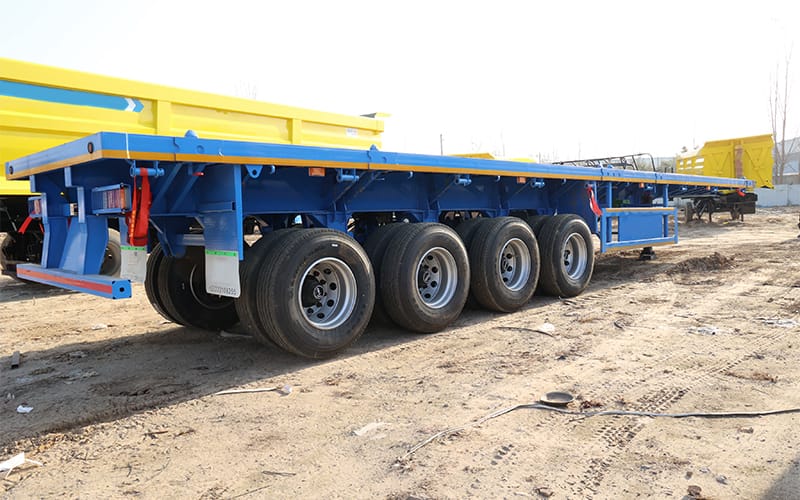
Open decks carry many cargo shapes, but one payload number cannot describe every support condition. A long bundle spread across several cross-members differs from a compact machine resting on four small feet. For flatbed semi-trailers, provide the footprint, weight and permitted support locations of the cargo. Include dunnage or a transport cradle in the drawing so engineering can assess how the load enters the platform and main beams.
Evaluate flatbed semi-trailers through representative load cases rather than assuming the entire rated payload can be placed anywhere on the deck. Identify the maximum individual item, the likely loading direction and any asymmetric arrangement. Request written guidance on acceptable positions and on cases that need separate review. A platform that is suitable for ordinary pallet freight may require a different support arrangement for machinery, steel or precast pieces even when the total shipment mass remains the same.
Check usable deck space after fitting accessories
Platform length and width should be measured as usable cargo space. Front structures, winches, stanchions, toolboxes and spare-wheel arrangements can interfere with loading or with the clearance needed around an item. For flatbed semi-trailers, show the largest cargo envelope on the proposed deck drawing and include the space required to attach restraints. A load that fits geometrically may still block the equipment needed to secure it.
For flatbed semi-trailers, request the final accessory layout and confirm which fittings can be removed, folded or repositioned under the supplier's instructions. Account for the loaded combination's outside envelope and any cargo overhang through the relevant route assessment. Keep optional extensions separate from the standard platform dimensions. At handover, compare the fitted layout with the approved drawing, since an accessory added late in production can reduce the working space that the buyer expected to receive.
Assess how the cargo will be placed on the platform
Crane loading, side loading and rear loading expose a platform to different operating demands. A forklift entering the deck introduces concentrated wheel loads, while a crane may lower a heavy item into a small support area. For flatbed semi-trailers, describe the loading equipment and sequence as part of the enquiry. Provide handling equipment details if it will travel onto the trailer, rather than treating that activity as incidental to the cargo rating.
Discuss flatbed semi-trailers with the loading site as well as the supplier. Identify the access side, the required working clearance and the positions where dunnage must be placed before the cargo arrives. The loading method should avoid relying on improvisation after a crane has taken the weight. Obtain confirmation of deck compatibility for the proposed handling task and retain the approved method with the load plan. Overall payload and local deck loading are related, but they are not the same acceptance criterion.
Specify restraint hardware as a complete load path
A restraint system transfers forces through the cargo, straps or chains, connectors and trailer anchors. The weakest suitable-rated component and the actual arrangement influence the result. For flatbed semi-trailers, ask for anchorage locations and ratings with enough information for a competent planner to develop the cargo-specific restraint method. A photograph showing many rings does not establish that each ring is appropriate for every load direction.
For flatbed semi-trailers, inspect whether sharp cargo edges, deck fittings or low attachment positions will damage or obstruct the selected restraints. Identify where edge protection, blocking or a purpose-designed support is needed. Keep the trailer's structural carrying rating distinct from the securing arrangement. The receiving team should be able to identify the fitted anchors and their references without guessing from their appearance. Where commodity-specific requirements apply, obtain an appropriate plan for that cargo and destination before dispatch.
Use friction and support assumptions that match the load
Dunnage provides support, clearance and sometimes a useful friction interface, but its condition and placement matter. Wet, damaged or mismatched supports can change both deck contact and cargo stability. For flatbed semi-trailers, define the intended dunnage material, support spacing and method of preventing supports from moving. Do not assume a generic friction value applies to every combination of steel, timber, paint and weather conditions.
Review flatbed semi-trailers with the party responsible for securing the load. A restraint plan should state the assumptions on which it depends and identify the checks needed before loading. Include the effect of packaging straps, loose covers and protective materials around the freight. When a shipment changes from packaged to bare cargo, revisit the support and restraint method. The objective is a repeatable loading arrangement with inspectable components, rather than a deck that depends on the experience of one particular driver.
Evaluate return-load opportunities without diluting the main task
A flatbed can appear versatile while being poorly configured for the work that produces most of the fleet's revenue. A deck tailored to long steel bundles may need additional provisions to carry compact machinery or palletized freight. For flatbed semi-trailers, list the main outward loads and realistic return loads, including their weights, support footprints and handling methods. Identify which cases are essential and which are optional opportunities.
Assess flatbed semi-trailers against the required changeover time, removable equipment and restraint hardware for each case. Avoid ordering a heavy accessory package merely because it might be useful for an occasional shipment. Compare the additional mass and service burden with the actual commercial benefit. A clear use-case matrix helps the supplier propose a practical configuration and gives the operator a record of which cargo arrangements were reviewed, rather than relying on an unrestricted claim of multi-purpose suitability.
Review side and rear access for the people doing the work
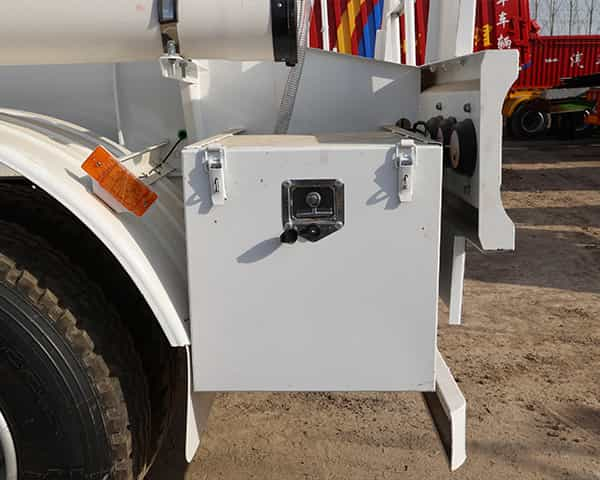
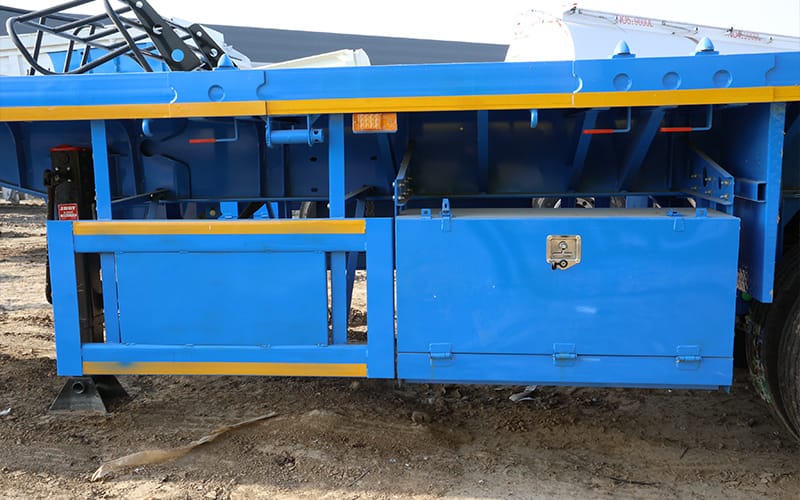
Drivers need practical access to inspect restraints, operate winches and reach storage areas. A well-positioned toolbox can reduce handling time, while a poorly placed one can force a crew to work beneath suspended cargo or across a busy loading path. For flatbed semi-trailers, review the accessory layout with operators and site personnel before approving it. Consider ground clearance, reach and the space needed to open lids or withdraw equipment.
For flatbed semi-trailers, map the routine actions at the start and end of a job. Identify where a driver waits during crane or forklift movements and how inspection can occur after the cargo is in place. Any access platform or climbing provision needs appropriate assessment for its use. Do not assume that a side rail is a safe walkway or that an available foothold was designed for access. Practical operator review can expose these problems while the layout is still easy to revise.
Turn the enquiry into a controlled specification
A useful enquiry separates mandatory operating requirements from preferences that the supplier can discuss. For flatbed semi-trailers, identify the cargo, route, handling method and destination before choosing optional equipment. Put the agreed requirements on a controlled specification with a revision date. This gives commercial and engineering teams a common reference and makes a later change visible.
For flatbed semi-trailers, ask suppliers to mark deviations rather than responding with a general statement that they can customise anything. Link drawings and equipment lists to the same revision and identify the party responsible for confirming each interface. When an option is changed, review its effect on mass, access, maintenance and the operating process. A traceable specification makes quotations easier to compare and provides a practical acceptance baseline when the finished trailer is inspected.
Compare flatbed semi-trailers: decision evidence
| Decision | Evidence to request | Buyer action |
|---|---|---|
| Bundles | Actual packaged size and mass | Identify support locations |
| Dunnage | Approved material and spacing | Prevent unsupported overhang |
| Unloading | Crane or forklift access | Preserve restraint access |
| Partial load | Remaining-package arrangement | Review the delivery sequence |
Use this comparison as a project record for flatbed semi-trailers. Each answer should refer to the same cargo and configuration, with deviations identified explicitly. Where the supplier proposes an alternative, assess its effect on timber bundle contact and unloading access before accepting a lower price or a different delivery scope.
Connect the enquiry to a suitable Yufei product
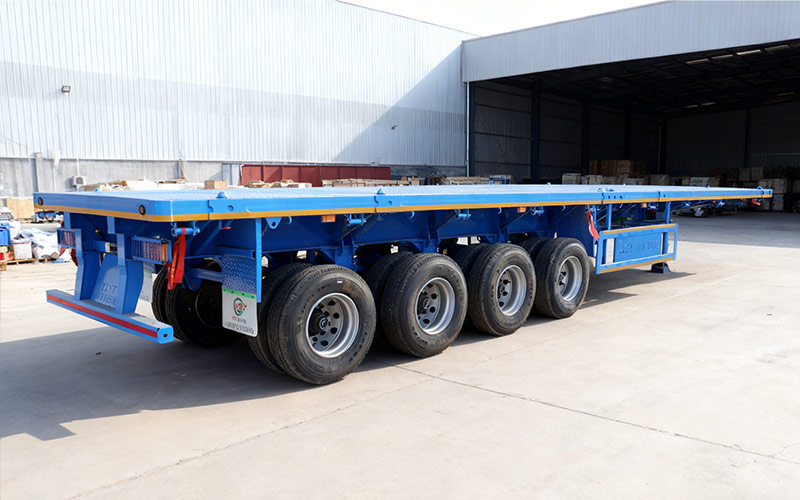
Yufei lists the مقطورة نصف مقطورة مسطحة للخدمة الشاقة as a relevant starting point for this enquiry. Use the النقل اللوجستي العام solution page to frame the operating discussion, then request confirmation of the exact configuration, included options and evidence needed for your duty. Illustrative photographs show visible features and do not establish an unshown specification.
Further reading: FMCSA cargo securement rules.
Request a configuration review and quotation
Discuss flatbed semi-trailers with Yufei using your cargo, destination and route information. Include the evidence listed above, identify the decision about timber bundle contact and unloading access, and ask for a configuration and quotation that state the included scope. Contact Yufei or complete the enquiry form below to begin the technical discussion.
Frequently asked questions
What should I confirm first when reviewing flatbed semi-trailers?
Start with timber bundle contact and unloading access. Obtain actual packaged size and mass and use it to identify support locations. For flatbed semi-trailers, this establishes the working case before price or optional equipment is compared.
Which evidence matters most for flatbed semi-trailers?
Request approved material and spacing and crane or forklift access. The documents should describe the actual cargo, interfaces and fitted configuration. Keep the approved revision available so the receiving team can verify what was ordered.
Can a product image prove the requested configuration?
No. A photograph shows visible features. Assess flatbed semi-trailers using the specification and appropriate evidence for the intended duty. Confirm unshown options, ratings and compatibility in writing rather than inferring them from appearance.
How should I compare quotations for flatbed semi-trailers?
Use the same operating case and included scope. In particular, review the delivery sequence using remaining-package arrangement. Identify deviations and exclusions before ranking price, and include the support needed to put the equipment into service.
What information should I send Yufei for a technical enquiry?
Send the cargo description, destination, route, handling method and the specific decision about timber bundle contact and unloading access. Include actual packaged size and mass and approved material and spacing where available. Ask Yufei to confirm the proposed product and any required options before ordering.
فئات المدونة
اتصل بنا
آخر الأخبار
-
Duplicate Draft – Special Purpose Trailer Maintenance Schedule
-
Multi-Axle Trailer Guide: How to Choose the Right Axle Configuration for Heavy Cargo
-
سطح منخفض سعة المقطورة: دليل كامل لنقل المعدات الثقيلة
-
Side Curtain Trailer Maintenance Checklist for Palletized Freight Fleets
-
كيف تختار حلول المقطورات شبه لشمل مناطق وظروف الطرق المختلفة
-
Container Chassis Selection Guide for Port and Inland Freight
-
Flatbed Trailer for Coil Transport: Buyer Guide for Steel Cargo
-
Long Cargo Transport Checklist for Steel, Pipe, and Precast Loads
-
Lowbed Trailer Route Survey Checklist for Heavy Equipment Moves
-
Stake Side Semi Trailer Side Board Inspection for Mixed Cargo
-
Hydraulic Trailer System Inspection Guide for Heavy Haul Work
-

حصول شركة Yufei على لقب “الشركات الصغيرة والمتوسطة ذات التخصص”، القوة المعيارية
-
Flatbed Trailer Side Rail Guide for Mixed Industrial Cargo
-
Side Curtain Trailer Weatherproofing Checklist for Palletized Freight
-
مقطورة منخفضة الارتفاع مقابل مقطورة متعددة المحاور: أيهما تختار
-
Semi Trailer Load Distribution Guide for Safer Heavy Cargo Transport
-
نقل المساحيق السائبة: ناقلة مسحوق يوفي، ناقلة مسحوق يوفي، صفر خسارة
-
Container Chassis Inspection Checklist Before Port Dispatch
-
Refrigerated Trailer Dimensions: Pallets, Doors and Airflow
عرض حلول الصناعة لدينا
أو تعرف على محتوى الصناعة الأخرى
جدول المحتويات
For flatbed semi-trailers, the purchasing decision is about timber bundle contact and unloading access. Start with the real operating case and require evidence for the interfaces that determine whether the equipment will fit the work. This guide connects flatbed semi-trailers with the information a fleet buyer can request, compare and retain before approving a configuration.
Define the job for flatbed semi-trailers
Timber bundles need a repeatable support and restraint arrangement. Record bundle length, mass, packaging and the locations where dunnage can carry the load. Consider how the unloading equipment reaches the bundles and what remains on the deck after the first delivery. The buyer should approve a practical arrangement for the actual package, rather than assume an open platform accepts any bundle that fits.
Turn the buying question into acceptance evidence
First, establish bundles. Request actual packaged size and mass and identify support locations.
Next, resolve dunnage. Request approved material and spacing and prevent unsupported overhang.
Then, review unloading. Request crane or forklift access and preserve restraint access.
Finally, document partial load. Request remaining-package arrangement and review the delivery sequence.
For flatbed semi-trailers, these four items define the technical comparison. Keep each answer linked to the same operating case and final configuration. Record missing evidence explicitly, so the receiving team can distinguish an agreed requirement from an unresolved assumption.
Describe concentrated and distributed loads separately for flatbed semi-trailers
Open decks carry many cargo shapes, but one payload number cannot describe every support condition. A long bundle spread across several cross-members differs from a compact machine resting on four small feet. For flatbed semi-trailers, provide the footprint, weight and permitted support locations of the cargo. Include dunnage or a transport cradle in the drawing so engineering can assess how the load enters the platform and main beams.
Evaluate flatbed semi-trailers through representative load cases rather than assuming the entire rated payload can be placed anywhere on the deck. Identify the maximum individual item, the likely loading direction and any asymmetric arrangement. Request written guidance on acceptable positions and on cases that need separate review. A platform that is suitable for ordinary pallet freight may require a different support arrangement for machinery, steel or precast pieces even when the total shipment mass remains the same.
Check usable deck space after fitting accessories
Platform length and width should be measured as usable cargo space. Front structures, winches, stanchions, toolboxes and spare-wheel arrangements can interfere with loading or with the clearance needed around an item. For flatbed semi-trailers, show the largest cargo envelope on the proposed deck drawing and include the space required to attach restraints. A load that fits geometrically may still block the equipment needed to secure it.
For flatbed semi-trailers, request the final accessory layout and confirm which fittings can be removed, folded or repositioned under the supplier's instructions. Account for the loaded combination's outside envelope and any cargo overhang through the relevant route assessment. Keep optional extensions separate from the standard platform dimensions. At handover, compare the fitted layout with the approved drawing, since an accessory added late in production can reduce the working space that the buyer expected to receive.
Assess how the cargo will be placed on the platform
Crane loading, side loading and rear loading expose a platform to different operating demands. A forklift entering the deck introduces concentrated wheel loads, while a crane may lower a heavy item into a small support area. For flatbed semi-trailers, describe the loading equipment and sequence as part of the enquiry. Provide handling equipment details if it will travel onto the trailer, rather than treating that activity as incidental to the cargo rating.
Discuss flatbed semi-trailers with the loading site as well as the supplier. Identify the access side, the required working clearance and the positions where dunnage must be placed before the cargo arrives. The loading method should avoid relying on improvisation after a crane has taken the weight. Obtain confirmation of deck compatibility for the proposed handling task and retain the approved method with the load plan. Overall payload and local deck loading are related, but they are not the same acceptance criterion.
Specify restraint hardware as a complete load path
A restraint system transfers forces through the cargo, straps or chains, connectors and trailer anchors. The weakest suitable-rated component and the actual arrangement influence the result. For flatbed semi-trailers, ask for anchorage locations and ratings with enough information for a competent planner to develop the cargo-specific restraint method. A photograph showing many rings does not establish that each ring is appropriate for every load direction.
For flatbed semi-trailers, inspect whether sharp cargo edges, deck fittings or low attachment positions will damage or obstruct the selected restraints. Identify where edge protection, blocking or a purpose-designed support is needed. Keep the trailer's structural carrying rating distinct from the securing arrangement. The receiving team should be able to identify the fitted anchors and their references without guessing from their appearance. Where commodity-specific requirements apply, obtain an appropriate plan for that cargo and destination before dispatch.
Use friction and support assumptions that match the load
Dunnage provides support, clearance and sometimes a useful friction interface, but its condition and placement matter. Wet, damaged or mismatched supports can change both deck contact and cargo stability. For flatbed semi-trailers, define the intended dunnage material, support spacing and method of preventing supports from moving. Do not assume a generic friction value applies to every combination of steel, timber, paint and weather conditions.
Review flatbed semi-trailers with the party responsible for securing the load. A restraint plan should state the assumptions on which it depends and identify the checks needed before loading. Include the effect of packaging straps, loose covers and protective materials around the freight. When a shipment changes from packaged to bare cargo, revisit the support and restraint method. The objective is a repeatable loading arrangement with inspectable components, rather than a deck that depends on the experience of one particular driver.
Evaluate return-load opportunities without diluting the main task
A flatbed can appear versatile while being poorly configured for the work that produces most of the fleet's revenue. A deck tailored to long steel bundles may need additional provisions to carry compact machinery or palletized freight. For flatbed semi-trailers, list the main outward loads and realistic return loads, including their weights, support footprints and handling methods. Identify which cases are essential and which are optional opportunities.
Assess flatbed semi-trailers against the required changeover time, removable equipment and restraint hardware for each case. Avoid ordering a heavy accessory package merely because it might be useful for an occasional shipment. Compare the additional mass and service burden with the actual commercial benefit. A clear use-case matrix helps the supplier propose a practical configuration and gives the operator a record of which cargo arrangements were reviewed, rather than relying on an unrestricted claim of multi-purpose suitability.
Review side and rear access for the people doing the work
Drivers need practical access to inspect restraints, operate winches and reach storage areas. A well-positioned toolbox can reduce handling time, while a poorly placed one can force a crew to work beneath suspended cargo or across a busy loading path. For flatbed semi-trailers, review the accessory layout with operators and site personnel before approving it. Consider ground clearance, reach and the space needed to open lids or withdraw equipment.
For flatbed semi-trailers, map the routine actions at the start and end of a job. Identify where a driver waits during crane or forklift movements and how inspection can occur after the cargo is in place. Any access platform or climbing provision needs appropriate assessment for its use. Do not assume that a side rail is a safe walkway or that an available foothold was designed for access. Practical operator review can expose these problems while the layout is still easy to revise.
Turn the enquiry into a controlled specification
A useful enquiry separates mandatory operating requirements from preferences that the supplier can discuss. For flatbed semi-trailers, identify the cargo, route, handling method and destination before choosing optional equipment. Put the agreed requirements on a controlled specification with a revision date. This gives commercial and engineering teams a common reference and makes a later change visible.
For flatbed semi-trailers, ask suppliers to mark deviations rather than responding with a general statement that they can customise anything. Link drawings and equipment lists to the same revision and identify the party responsible for confirming each interface. When an option is changed, review its effect on mass, access, maintenance and the operating process. A traceable specification makes quotations easier to compare and provides a practical acceptance baseline when the finished trailer is inspected.
Compare flatbed semi-trailers: decision evidence
| Decision | Evidence to request | Buyer action |
|---|---|---|
| Bundles | Actual packaged size and mass | Identify support locations |
| Dunnage | Approved material and spacing | Prevent unsupported overhang |
| Unloading | Crane or forklift access | Preserve restraint access |
| Partial load | Remaining-package arrangement | Review the delivery sequence |
Use this comparison as a project record for flatbed semi-trailers. Each answer should refer to the same cargo and configuration, with deviations identified explicitly. Where the supplier proposes an alternative, assess its effect on timber bundle contact and unloading access before accepting a lower price or a different delivery scope.
Connect the enquiry to a suitable Yufei product
Yufei lists the مقطورة نصف مقطورة مسطحة للخدمة الشاقة as a relevant starting point for this enquiry. Use the النقل اللوجستي العام solution page to frame the operating discussion, then request confirmation of the exact configuration, included options and evidence needed for your duty. Illustrative photographs show visible features and do not establish an unshown specification.
Further reading: FMCSA cargo securement rules.
Request a configuration review and quotation
Discuss flatbed semi-trailers with Yufei using your cargo, destination and route information. Include the evidence listed above, identify the decision about timber bundle contact and unloading access, and ask for a configuration and quotation that state the included scope. Contact Yufei or complete the enquiry form below to begin the technical discussion.
Frequently asked questions
What should I confirm first when reviewing flatbed semi-trailers?
Start with timber bundle contact and unloading access. Obtain actual packaged size and mass and use it to identify support locations. For flatbed semi-trailers, this establishes the working case before price or optional equipment is compared.
Which evidence matters most for flatbed semi-trailers?
Request approved material and spacing and crane or forklift access. The documents should describe the actual cargo, interfaces and fitted configuration. Keep the approved revision available so the receiving team can verify what was ordered.
Can a product image prove the requested configuration?
No. A photograph shows visible features. Assess flatbed semi-trailers using the specification and appropriate evidence for the intended duty. Confirm unshown options, ratings and compatibility in writing rather than inferring them from appearance.
How should I compare quotations for flatbed semi-trailers?
Use the same operating case and included scope. In particular, review the delivery sequence using remaining-package arrangement. Identify deviations and exclusions before ranking price, and include the support needed to put the equipment into service.
What information should I send Yufei for a technical enquiry?
Send the cargo description, destination, route, handling method and the specific decision about timber bundle contact and unloading access. Include actual packaged size and mass and approved material and spacing where available. Ask Yufei to confirm the proposed product and any required options before ordering.
فئات المدونة
اتصل بنا
آخر الأخبار
-
Dump Semi Trailer Hydraulic Cylinder Checks Before Site Work
-
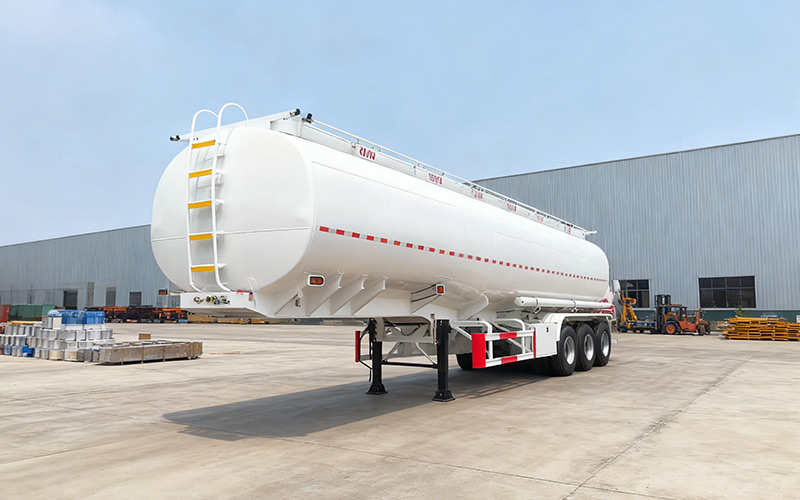
المقطورات نصف المقطورات الهيدروليكية في عام 2026: التنقل في المشهد المتطور
-
Semi Trailer Maintenance Records Guide for Fleet Buyers
-
Semi Trailer Landing Gear Inspection Checklist for Safer Yard Operations
-

مقطورة منخفضة القاع مقابل مقطورة ذات أرضية مسطحة: أيهما الأنسب لاحتياجات نقلك
-
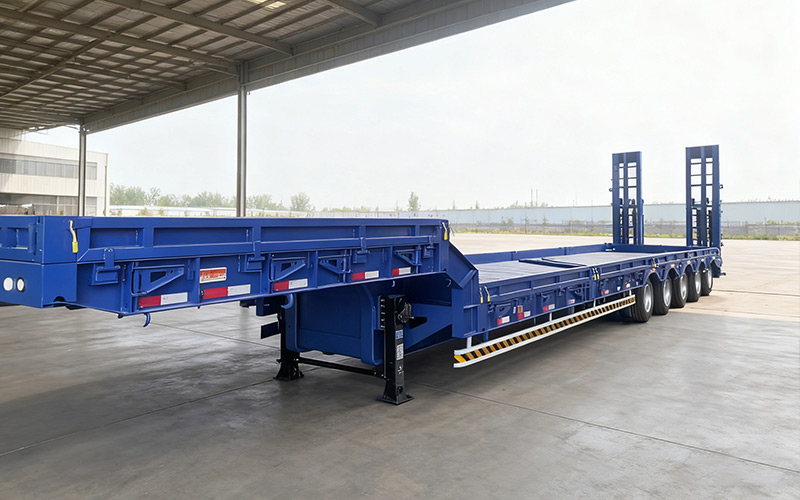
Lowboy Trailer Ramp Angle Planning for Construction Machinery
-
Semi Trailer Corrosion Protection Guide for Wet and Coastal Routes
-
Semi Trailer Export Documentation Checklist for Overseas Buyers
-
سطح منخفض سعة المقطورة: دليل كامل لنقل المعدات الثقيلة
-
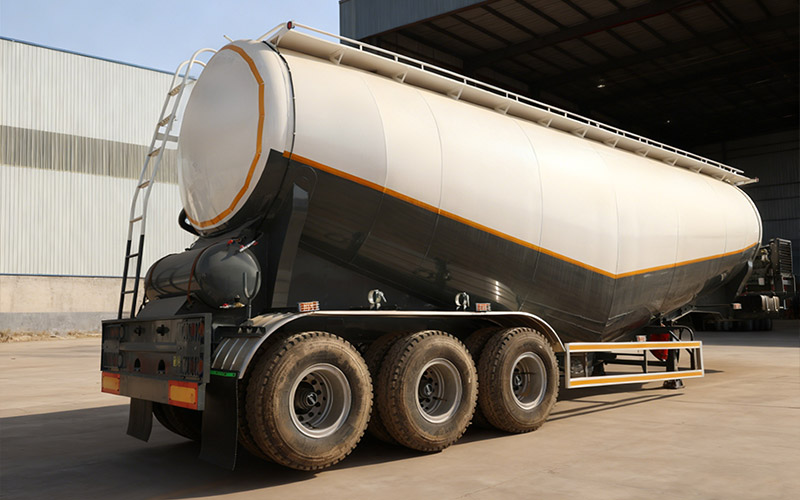
Bulk Powder Tanker Air Compressor Matching Guide
-
Side Curtain Trailer Loading Access Guide for Pallet Freight
-
Tanker Semi Trailer Manhole Inspection Guide Before Loading
-
الشركة المصنعة للمقطورات المنخفضة: كيفية اختيار الشريك المناسب لنقل المعدات الثقيلة
-
Long Cargo Transport Checklist for Steel, Pipe, and Precast Loads
-
Flatbed Trailer Deck Wear Inspection for Machinery Transport
-
Semi Trailer After-Sales Support Checklist for Importers
-
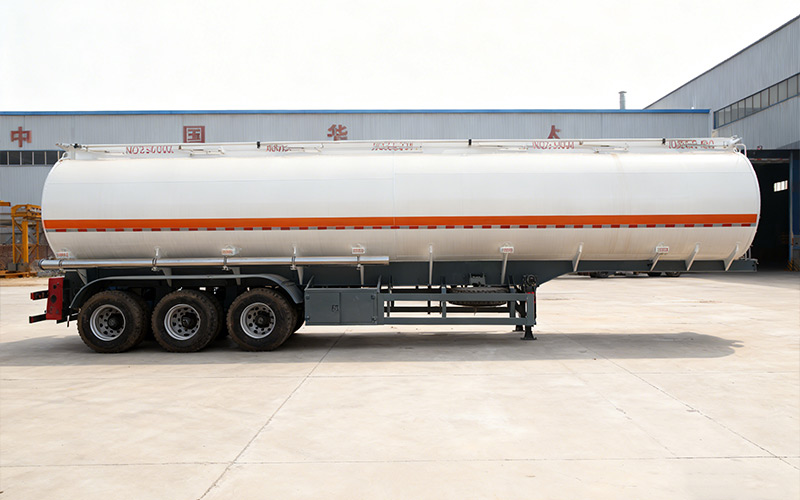
Tanker Semi Trailer Compartment Planning for Safer Liquid Cargo Dispatch
-
Flatbed Trailer Loading Surface Guide for Machinery Buyers
-
Tanker Semi Trailer Cleaning Preparation Before Cargo Changeover
عرض حلول الصناعة لدينا
أو تعرف على محتوى الصناعة الأخرى
نقل المعدات الهندسية النقل:
المقطورات المخصصة توفر حلولاً فعالة
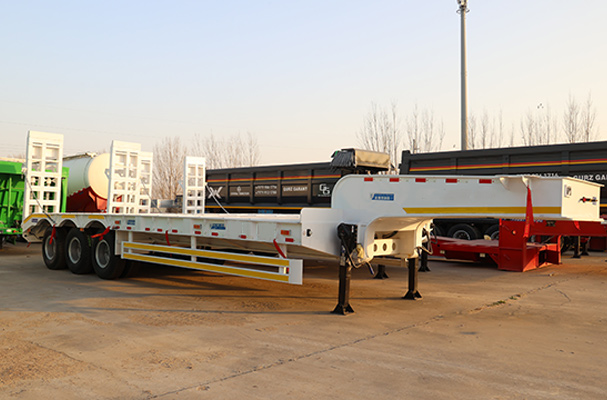
تقوم Yufei بحل مشاكل نقل المعدات الهندسية لشركة خنان لتأجير المعدات:
نقاط ألم العميل:
عدم كفاية القدرة الاستيعابية للحفارات التي تزن 35 طناً، والتأخير بسبب ضعف قدرات الدوران على طرق مواقع البناء الضيقة، وتجاوز مدة تسليم المقطورات 45 يوماً.
الحل:
مقطورات مخصصة منخفضة السعة 80 طناً مزودة بمنصات شحن بطول 1.2 متر ومزودة بمقود هيدروليكي، مع خطوط إنتاج مرنة للتسليم السريع.
نقل المواد الخطرة:
شاحنات الصهاريج من الفئة A تعزز السلامة وتزيد الأرباح
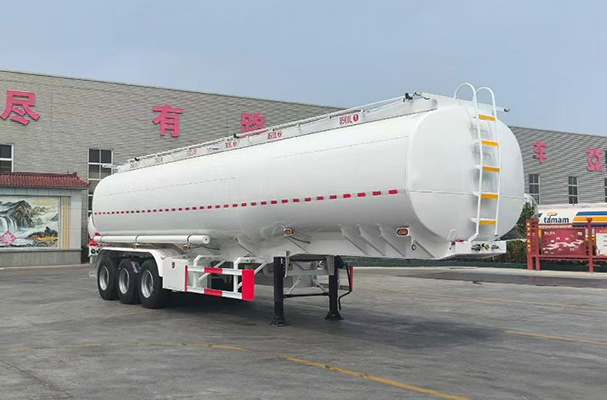
حلّت Yufei تحديًا أساسيًا لشريكها اللوجستي، شركة Sinopec، في نقل المواد الخطرة:
نقاط ألم العميل:
تنطوي شاحنات الصهاريج القديمة على مخاطر تسرب كبيرة، ويحد الوزن الذاتي البالغ 12 طناً من سعة الحمولة، ويتجاوز استهلاك الوقود 35 لتراً.
الحل:
تحتوي الناقلة من الفئة A على خزان 304 غير قابل للصدأ، وأجهزة أمان ثلاثية وهيكل خفيف الوزن 0690.
الخدمات اللوجستية العامة:
مقطورة الحصة المقطورة تحل تحديات سعة النقل
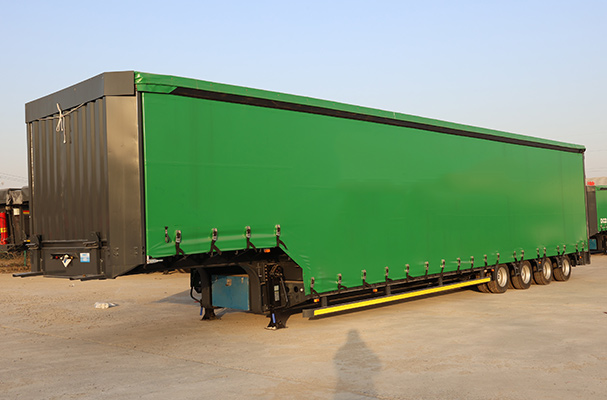
تساعد Yufei إحدى شركات الخدمات اللوجستية في شاندونغ في التغلب على مشاكل النقل خلال مواسم ذروة التجارة الإلكترونية:
نقاط ألم العميل:
تتسم المقطورات القديمة ببطء أوقات التحميل والتفريغ، وسعتها المحدودة للبضائع الضخمة، واستهلاكها للوقود الذي يتجاوز 32 لتراً، وعدم كفاية سعة النقل خلال مواسم الذروة.
الحل:
مقطورات قابلة للطي قابلة للتخصيص، هيكل فولاذي خفيف الوزن Q690 + تفريغ ذاتي هيدروليكي.
[دراسات حالة العميل]
حلول Yufei المخصصة
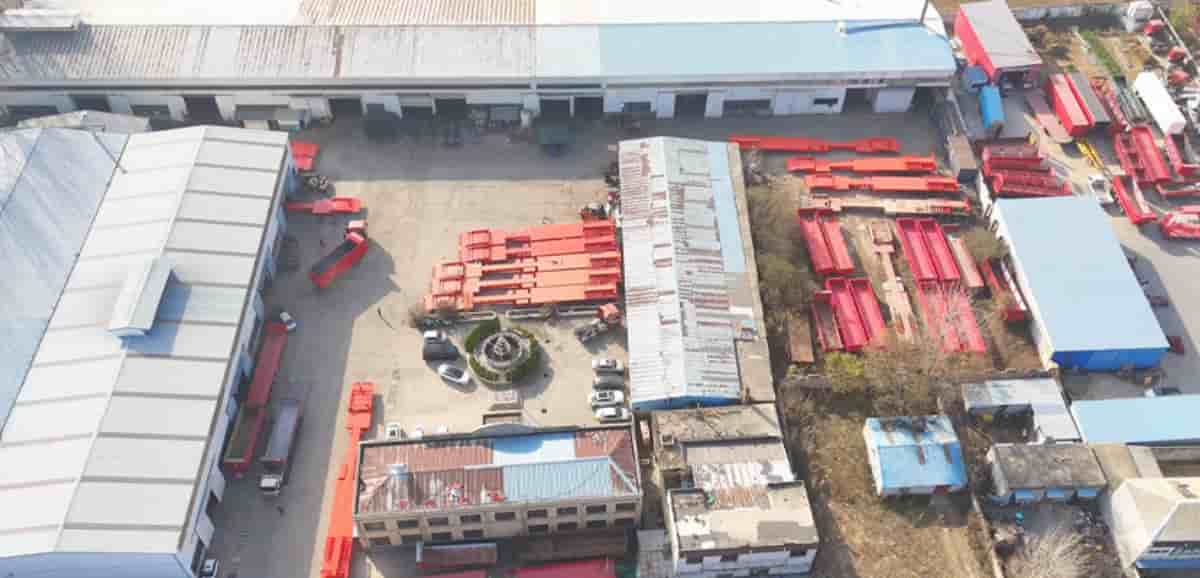
تتخذ شركة Yufei من ليانغشان مقراً لها، وهي متخصصة في صناعة المقطورات ذات الأغراض الخاصة/شبه المقطورات منذ عام 2008، مع وجود حالات خدمة حقيقية في جميع أنحاء العالم تثبت قدراتها التصنيعية الذكية.
[دراسات حالة العميل]
حلول Yufei المخصصة
تتخذ شركة Yufei من ليانغشان مقراً لها، وهي متخصصة في صناعة المقطورات ذات الأغراض الخاصة/شبه المقطورات منذ عام 2008، مع وجود حالات خدمة حقيقية في جميع أنحاء العالم تثبت قدراتها التصنيعية الذكية.
نقل المعدات الهندسية النقل:
المقطورات المخصصة توفر حلولاً فعالة
تقوم Yufei بحل مشاكل نقل المعدات الهندسية لشركة خنان لتأجير المعدات:
نقاط ألم العميل:
عدم كفاية القدرة الاستيعابية للحفارات التي تزن 35 طناً، والتأخير بسبب ضعف قدرات الدوران على طرق مواقع البناء الضيقة، وتجاوز مدة تسليم المقطورات 45 يوماً.
الحل:
مقطورات مخصصة منخفضة السعة 80 طناً مزودة بمنصات شحن بطول 1.2 متر ومزودة بمقود هيدروليكي، مع خطوط إنتاج مرنة للتسليم السريع.
نقل المواد الخطرة:
شاحنات الصهاريج من الفئة A تعزز السلامة وتزيد الأرباح
حلّت Yufei تحديًا أساسيًا لشريكها اللوجستي، شركة Sinopec، في نقل المواد الخطرة:
نقاط ألم العميل:
تنطوي شاحنات الصهاريج القديمة على مخاطر تسرب كبيرة، ويحد الوزن الذاتي البالغ 12 طناً من سعة الحمولة، ويتجاوز استهلاك الوقود 35 لتراً.
الحل:
تحتوي الناقلة من الفئة A على خزان 304 غير قابل للصدأ، وأجهزة أمان ثلاثية وهيكل خفيف الوزن 0690.
الخدمات اللوجستية العامة:
مقطورة الحصة المقطورة تحل تحديات سعة النقل
تساعد Yufei إحدى شركات الخدمات اللوجستية في شاندونغ في التغلب على مشاكل النقل خلال مواسم ذروة التجارة الإلكترونية:
نقاط ألم العميل:
تتسم المقطورات القديمة ببطء أوقات التحميل والتفريغ، وسعتها المحدودة للبضائع الضخمة، واستهلاكها للوقود الذي يتجاوز 32 لتراً، وعدم كفاية سعة النقل خلال مواسم الذروة.
الحل:
مقطورات قابلة للطي قابلة للتخصيص، هيكل فولاذي خفيف الوزن Q690 + تفريغ ذاتي هيدروليكي.
[المزايا الأساسية]
التنافسية الأساسية
مدفوعة بالذكاء والخدمة
قوي
فريق البحث والتطوير : فريق البحث والتطوير :
فريق مكون من 120 عضوًا، 45% كبار الألقاب التقنية الرائدة

ذكي
التصنيع::التصنيع
اللحام الآلي، ضمان الدقة 99%+ اللحام الآلي، 99%

سريع
التخصيص : التخصيص
خطوط مرنة لتلبية الاحتياجات المتنوعة، والتوصيل خلال 7 أيام

صارم
مراقبة الجودة::مراقبة الجودة
مراقبة كاملة للعمليات، حاصلة على شهادة ISO9001

شامل
خدمات ما بعد البيع :
استجابة على مدار 24 ساعة، ودعم التشغيل مدى الحياة

صناعي
الكتلة المتقدمة : الكتلة المتقدمة
قاعدة ليانغشان، سلسلة توريد فعالة
خفيف الوزن
الاختراق التكنولوجي :
تحسين الطوبولوجيا، تخفيض الوزن 18%
مكتمل
المؤهلات::المؤهلات
معتمدة من CCC، الفئة A للبضائع الخطرة

[اتصل بنا]
جاهز للعثور على
حل المقطورة المثالي