
Tanker Semi Trailer Compartment Planning for Safer Liquid Cargo Dispatch</dynamictext
Tanker Semi Trailer Compartment Planning for Safer Liquid Cargo Dispatch</dynamictext
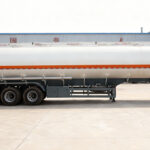
A tanker semi trailer is not just a tank on wheels. For liquid cargo, the way compartments are planned affects payload use, unloading sequence, cleaning time, and road stability. Buyers and fleet managers often focus on capacity first, but the more practical question is whether the tank layout matches the cargo mix and daily route. A good plan reduces avoidable reloading, cross-contamination risk, and delays before the tanker semi trailer leaves the yard.
Оглавление
Оглавление

Start With the Cargo Profile
Before choosing the tank layout, list the liquid products the trailer will normally carry, their loading temperature, unloading method, cleaning needs, and whether each product can share equipment. For hazardous or regulated liquids, operators should verify current rules with the relevant authority, such as the Pipeline and Hazardous Materials Safety Administration in the United States, and with local transport regulators. This article is a planning guide, not a substitute for legal or safety compliance review.
A well-planned tanker semi trailer usually begins with a simple cargo matrix. Separate products that should not share the same compartment. Note which customers require partial deliveries and which sites need gravity discharge, pump discharge, or dedicated hose handling. If one route commonly serves three receiving points, the tanker semi trailer should be divided so the driver can unload in order without opening unnecessary compartments.
Decide How Many Compartments Are Practical
More compartments can improve delivery flexibility, but they also add valves, baffles, manholes, sealing points, and inspection work. For a tanker semi trailer running a single product between fixed terminals, fewer compartments may be simpler to clean and operate. For regional distribution with several customers per trip, multiple compartments can help protect order accuracy and reduce product handling at the destination.
| Planning question | Why it matters | Practical check |
|---|---|---|
| How many products are carried? | Prevents unsuitable product mixing | Map products to separate compartments where needed |
| How many stops are on one route? | Controls unloading sequence | Match compartment order to delivery order |
| How often is cleaning required? | Affects downtime and labor | Group compatible products and document cleaning steps |
| What discharge method is used? | Influences valves, hoses, and site access | Confirm customer site requirements before specification |
Balance Payload, Stability, and Route Conditions
Liquid load movement can influence vehicle handling, especially during braking, cornering, and uneven road travel. Baffles and compartment walls help control surge, but layout still needs to respect axle loading, road limits, and the usual fill level. Choosing a tanker semi trailer without considering partial-load operation can create daily handling problems even when the total capacity looks suitable on paper.

The right tanker semi trailer specification should be discussed with the manufacturer using real route information: road surface, loading bay height, terminal access, turning space, climate, and permitted gross weight. If the operation involves difficult roads or heavier-duty use, compare a standard Полуприцеп-цистерна with a Полуприцеп-цистерна для тяжелых грузов so the structure, axle arrangement, and tank design fit the work rather than only the catalog category.
Plan Loading and Unloading Before Dispatch
Even a well-built tanker semi trailer can lose time when the dispatch plan is unclear. Before loading, confirm the customer order, compartment assignment, seals, documents, hose compatibility, and unloading sequence. Mark any compartment that must remain empty or reserved for a later stop. Drivers should know which valve to open first and which customer receives each compartment before they arrive at the site.
For mixed-route work, every tanker semi trailer dispatch should include a written or digital loading diagram. This does not need to be complicated. A one-page diagram showing compartment numbers, cargo names, volumes, customer destinations, and seal numbers can prevent many common errors. It also helps the fleet review what happened if a customer reports a shortage, delay, or wrong unloading order.
Inspect the Details That Affect Clean Operation
Compartment planning should include the small components that operators touch every day. Check manhole access, ladder placement, valve labels, grounding points where required, hose storage, walkway safety, and drain positions. If your tanker semi trailer carries products that require frequent washing, ask how residual liquid is drained and how cleaning teams can reach each compartment safely.

Категории блога
Свяжитесь с нами
Последние новости
-
Гидравлические полуприцепы в 2026 году: навигация по меняющемуся ландшафту
-

Side Curtain Trailer Maintenance Checklist for Palletized Freight Fleets
-

Flatbed Trailer Side Rail Guide for Mixed Industrial Cargo
-

Semi Trailer Maintenance Records Guide for Fleet Buyers
-

Прицепы для тяжелых грузов: Как правильно выбрать
-

Semi Trailer Brake Inspection Checklist Before Regional Dispatch
-

Юфейская кастомизация: Реконструкция транспортной ценности
-
Как выбрать полуприцеп для разных регионов и дорожных условий
-
Flatbed Trailer Loading Checklist for Safer Heavy Equipment Transport
-

Компания Yufei получила звание “МСП со специализацией” и стала эталоном прочности
-
Индивидуальные решения для полуприцепов и автомобилей специального назначения для современных перевозок
-
Lowbed Trailer Neck Design Guide for Equipment Transport
-
Duplicate Draft – Special Purpose Trailer Maintenance Schedule
-

Flatbed Trailer Tie Down Point Inspection Before Industrial Loads
-

Низкорамные полуприцепы для перевозки тяжелой техники
-

Heavy Equipment Transport: Complete Guide to Oversized Cargo Logistics
-

Side Curtain Trailer Weatherproofing Checklist for Palletized Freight
Ознакомьтесь с нашими отраслевыми решениями
Или узнайте о других отраслевых материалах
A tanker semi trailer is not just a tank on wheels. For liquid cargo, the way compartments are planned affects payload use, unloading sequence, cleaning time, and road stability. Buyers and fleet managers often focus on capacity first, but the more practical question is whether the tank layout matches the cargo mix and daily route. A good plan reduces avoidable reloading, cross-contamination risk, and delays before the tanker semi trailer leaves the yard.
Оглавление
Оглавление
Start With the Cargo Profile
Before choosing the tank layout, list the liquid products the trailer will normally carry, their loading temperature, unloading method, cleaning needs, and whether each product can share equipment. For hazardous or regulated liquids, operators should verify current rules with the relevant authority, such as the Pipeline and Hazardous Materials Safety Administration in the United States, and with local transport regulators. This article is a planning guide, not a substitute for legal or safety compliance review.
A well-planned tanker semi trailer usually begins with a simple cargo matrix. Separate products that should not share the same compartment. Note which customers require partial deliveries and which sites need gravity discharge, pump discharge, or dedicated hose handling. If one route commonly serves three receiving points, the tanker semi trailer should be divided so the driver can unload in order without opening unnecessary compartments.
Decide How Many Compartments Are Practical
More compartments can improve delivery flexibility, but they also add valves, baffles, manholes, sealing points, and inspection work. For a tanker semi trailer running a single product between fixed terminals, fewer compartments may be simpler to clean and operate. For regional distribution with several customers per trip, multiple compartments can help protect order accuracy and reduce product handling at the destination.
| Planning question | Why it matters | Practical check |
|---|---|---|
| How many products are carried? | Prevents unsuitable product mixing | Map products to separate compartments where needed |
| How many stops are on one route? | Controls unloading sequence | Match compartment order to delivery order |
| How often is cleaning required? | Affects downtime and labor | Group compatible products and document cleaning steps |
| What discharge method is used? | Influences valves, hoses, and site access | Confirm customer site requirements before specification |
Balance Payload, Stability, and Route Conditions
Liquid load movement can influence vehicle handling, especially during braking, cornering, and uneven road travel. Baffles and compartment walls help control surge, but layout still needs to respect axle loading, road limits, and the usual fill level. Choosing a tanker semi trailer without considering partial-load operation can create daily handling problems even when the total capacity looks suitable on paper.
The right tanker semi trailer specification should be discussed with the manufacturer using real route information: road surface, loading bay height, terminal access, turning space, climate, and permitted gross weight. If the operation involves difficult roads or heavier-duty use, compare a standard Полуприцеп-цистерна with a Полуприцеп-цистерна для тяжелых грузов so the structure, axle arrangement, and tank design fit the work rather than only the catalog category.
Plan Loading and Unloading Before Dispatch
Even a well-built tanker semi trailer can lose time when the dispatch plan is unclear. Before loading, confirm the customer order, compartment assignment, seals, documents, hose compatibility, and unloading sequence. Mark any compartment that must remain empty or reserved for a later stop. Drivers should know which valve to open first and which customer receives each compartment before they arrive at the site.
For mixed-route work, every tanker semi trailer dispatch should include a written or digital loading diagram. This does not need to be complicated. A one-page diagram showing compartment numbers, cargo names, volumes, customer destinations, and seal numbers can prevent many common errors. It also helps the fleet review what happened if a customer reports a shortage, delay, or wrong unloading order.
Inspect the Details That Affect Clean Operation
Compartment planning should include the small components that operators touch every day. Check manhole access, ladder placement, valve labels, grounding points where required, hose storage, walkway safety, and drain positions. If your tanker semi trailer carries products that require frequent washing, ask how residual liquid is drained and how cleaning teams can reach each compartment safely.
Категории блога
Свяжитесь с нами
Последние новости
-
Flatbed Trailer Deck Wear Inspection for Machinery Transport
-
Semi Trailer Suspension Inspection Guide for Rough Road Operations
-
Semi Trailer Lighting Inspection for Night Loading and Yard Safety
-

Semi Trailer Electrical Inspection Checklist Before Fleet Dispatch
-
Flatbed Trailer for Coil Transport: Buyer Guide for Steel Cargo
-

Сотрудничество в рамках цепочки поставок, трейлеры создают экосистему "промышленность - академия
-

Lowboy Trailer Ramp Angle Planning for Construction Machinery
-

Lowbed Trailer Route Survey Checklist for Heavy Equipment Moves
-
Refrigerated Semi Trailer Door Seal Inspection for Cold Chain Loads
-
Индивидуальные решения для полуприцепов и автомобилей специального назначения для современных перевозок
-
Stake Side Semi Trailer Side Board Inspection for Mixed Cargo
-
Duplicate Draft – Special Purpose Trailer Maintenance Schedule
-
Multi-Axle Trailer Guide: How to Choose the Right Axle Configuration for Heavy Cargo
-
Semi Trailer Import Checklist for Overseas Fleet Buyers
-

Пик сезона электронной коммерции: прицеп на колесах Yufei, удвоенная эффективность.
-
Lowboy Trailer Tire Clearance Guide for Heavy Equipment Loads
Ознакомьтесь с нашими отраслевыми решениями
Или узнайте о других отраслевых материалах
Инженерное оборудование Транспорт:
Прицепы на заказ обеспечивают эффективные решения
Юфэй решает проблемы транспортировки инженерного оборудования для компании по лизингу оборудования из Хэнани:
Болевые точки клиентов:
Недостаточная грузоподъемность 35-тонных экскаваторов, задержки из-за плохих возможностей разворота на узких дорогах стройплощадок, а также сроки доставки прицепов, превышающие 45 дней.
Решение:
80-тонные низкорамные полуприцепы с грузовыми платформами длиной 1,2 метра и гидравлическим рулевым управлением, изготовленные по индивидуальному заказу, с гибкими производственными линиями для ускоренной доставки.

Транспортировка опасных материалов:
Грузовики-цистерны класса А повышают безопасность и увеличивают прибыль
Компания Yufei решила основную проблему своего логистического партнера, компании Sinopec, связанную с транспортировкой опасных материалов:
Болевые точки клиентов:
Старые автоцистерны имеют значительный риск утечки, 12-тонный собственный вес ограничивает грузоподъемность, а расход топлива превышает 35 л.
Решение:
Цистерна класса А имеет нержавеющую цистерну 304, тройные предохранительные устройства и легкую конструкцию 0690.

Общая логистика:
Прицеп с кольями решает проблемы с пропускной способностью
Yufei помогает логистической компании из Шаньдуна преодолевать проблемы с транспортировкой в пиковые сезоны электронной коммерции:
Болевые точки клиентов:
Старые прицепы имеют медленное время погрузки и разгрузки, ограниченную вместимость для крупногабаритных грузов, расход топлива превышает 32 л, а в пиковые сезоны не хватает транспортных мощностей.
Решение:
Настраиваемые складные прицепы с кольями, легкая стальная конструкция Q690 + гидравлическая саморазгрузка.

[Примеры из практики клиентов]
Индивидуальные решения Юфэй
Компания Yufei, расположенная в Ляншане, специализируется на производстве полуприцепов специального назначения с 2008 года, а реальные примеры из практики по всему миру демонстрируют ее интеллектуальные производственные возможности.
[Примеры из практики клиентов]
Индивидуальные решения Юфэй
Компания Yufei, расположенная в Ляншане, специализируется на производстве полуприцепов специального назначения с 2008 года, а реальные примеры из практики по всему миру демонстрируют ее интеллектуальные производственные возможности.
Инженерное оборудование Транспорт:
Прицепы на заказ обеспечивают эффективные решения
Юфэй решает проблемы транспортировки инженерного оборудования для компании по лизингу оборудования из Хэнани:
Болевые точки клиентов:
Недостаточная грузоподъемность 35-тонных экскаваторов, задержки из-за плохих возможностей разворота на узких дорогах стройплощадок, а также сроки доставки прицепов, превышающие 45 дней.
Решение:
80-тонные низкорамные полуприцепы с грузовыми платформами длиной 1,2 метра и гидравлическим рулевым управлением, изготовленные по индивидуальному заказу, с гибкими производственными линиями для ускоренной доставки.
Транспортировка опасных материалов:
Грузовики-цистерны класса А повышают безопасность и увеличивают прибыль
Компания Yufei решила основную проблему своего логистического партнера, компании Sinopec, связанную с транспортировкой опасных материалов:
Болевые точки клиентов:
Старые автоцистерны имеют значительный риск утечки, 12-тонный собственный вес ограничивает грузоподъемность, а расход топлива превышает 35 л.
Решение:
Цистерна класса А имеет нержавеющую цистерну 304, тройные предохранительные устройства и легкую конструкцию 0690.
Общая логистика:
Прицеп с кольями решает проблемы с пропускной способностью
Yufei помогает логистической компании из Шаньдуна преодолевать проблемы с транспортировкой в пиковые сезоны электронной коммерции:
Болевые точки клиентов:
Старые прицепы имеют медленное время погрузки и разгрузки, ограниченную вместимость для крупногабаритных грузов, расход топлива превышает 32 л, а в пиковые сезоны не хватает транспортных мощностей.
Решение:
Настраиваемые складные прицепы с кольями, легкая стальная конструкция Q690 + гидравлическая саморазгрузка.
[Основные преимущества]
Основная конкурентоспособность
Интеллект и сервис
Сильный
Команда НИОКР:
Команда из 120 человек, 451 титул старшего классаTP3T, ведущий технический специалист

Интеллектуальный
Производство:
Роботизированная сварка, гарантия точности 99%+

Быстрая
Персонализация:
Гибкие линии для различных потребностей, доставка в течение 7 дней

Строгий
Контроль качества:
Полный контроль процесса, сертификат ISO9001

Всеобъемлющий
Послепродажное обслуживание:
Круглосуточное реагирование, пожизненная эксплуатационная поддержка

Промышленность
Кластер Adv:
База Ляншань, эффективная цепочка поставок

Легкий
Технологический прорыв:
Оптимизация топологии, снижение веса 18%

Полный
Квалификация:
Сертифицировано CCC, класс A для опасных грузов

[Свяжитесь с нами]
Готовы найти свой
Идеальное решение для прицепов







