
Refrigerated Semi Trailer Loading Checklist for Cold Chain Dispatch
Refrigerated Semi Trailer Loading Checklist for Cold Chain Dispatch
A refrigerated semi trailer protects food, pharmaceuticals, and other temperature-sensitive cargo only when loading discipline matches the equipment. Many cold-chain issues begin before the vehicle leaves the yard: warm cargo, blocked air channels, weak door seals, rushed paperwork, or cargo stacked too tightly against the rear doors. This refrigerated semi trailer checklist helps dispatch teams prepare each load with fewer avoidable risks.

Why Loading Discipline Matters
A refrigerated semi trailer is part of a wider cold chain, not a repair tool for poor preparation. The refrigeration unit helps maintain the set temperature, but it should not be expected to cool down cargo that enters too warm. Before dispatch, confirm the cargo temperature, route duration, unloading points, and any cleaning requirement from the receiver.
Pre-Cool the Body Before Loading
Start the unit early enough to bring the body close to the required operating range. Keep doors closed during pre-cooling, and avoid loading while the interior is still recovering from washing or yard heat. A refrigerated semi trailer should be stabilized before pallets enter, especially when handling frozen food, dairy, meat, seafood, flowers, or chilled packaged goods.
Check Door Seals, Floor, and Airflow Paths
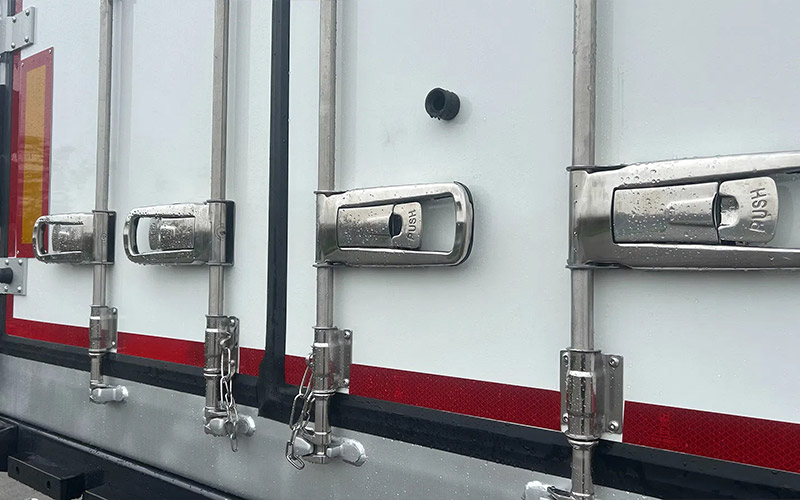
Inspect rear doors, side access points, hinges, locks, drain holes, and interior panels. Damaged seals allow warm air and moisture to enter. Clear floor channels and return-air areas so the system can circulate air evenly. A refrigerated semi trailer with blocked airflow may show a correct unit reading while cargo in the rear or upper stack warms unevenly.
Match Cargo Temperature to the Trailer
Load only cargo that has already reached the correct shipping temperature. Mixed-temperature freight should be separated only when the trailer configuration and operating plan support it. If the product is still cooling after production or packing, hold it in the warehouse. A refrigerated semi trailer performs best when it maintains a stable condition rather than correcting warehouse delays.
Plan Pallet Position and Air Circulation
Leave space around walls, doors, and the evaporator area. Do not crush flexible packaging against side panels, and avoid tall stacks that interrupt air return. When planning a refrigerated semi trailer purchase, ask how floor design, insulation, door layout, and refrigeration capacity match the normal pallet size and route profile.
Use a Simple Dispatch Table
| Checkpoint | What to Confirm | Why It Matters |
|---|---|---|
| Pre-cool | Body temperature is stable before loading | Reduces early temperature swing |
| Airflow | Floor channels and return air are clear | Helps the load cool evenly |
| Seals | Doors close tightly with no visible gaps | Limits warm air and condensation |
| Records | Set point, loading time, and cargo condition noted | Supports handover and dispute prevention |
Record Temperature and Handover Details
Record the set point, body temperature, cargo temperature if available, loading time, seal number, route instructions, and driver handover notes. A refrigerated semi trailer operation becomes easier to audit when each dispatch uses the same short checklist. Refrigerated semi trailer records also help separate equipment issues from loading, waiting, or unloading problems.
Clean and Inspect After Delivery
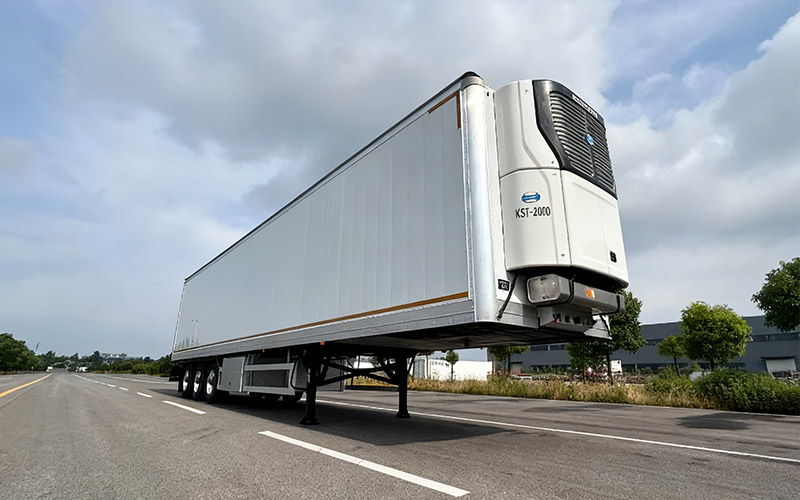
After unloading, remove packaging debris, check for liquid residue, inspect the floor and wall surfaces, and dry the body before the next assignment. For food logistics, cleaning should follow the shipper and receiver requirements. A refrigerated semi trailer that returns clean and dry is easier to pre-cool and less likely to carry odor or contamination into the next load.
When to Review Trailer Specification
If delays, multi-stop routes, high ambient temperatures, or recurring door openings are common, review the trailer specification instead of blaming every temperature alarm on the driver. Insulation, body length, unit capacity, door arrangement, floor type, and cargo mix all affect performance. YF Trailer also supports food perishables transport planning for buyers comparing fleet options.
Frequently Asked Questions
Can a refrigerated semi trailer cool warm cargo?
It is designed mainly to maintain temperature. Warm cargo should be cooled in the warehouse before loading.
How much space should be left for airflow?
Leave clear paths near walls, doors, floor channels, and the refrigeration return-air area so air can circulate.
Should the trailer be washed before every load?
Cleaning depends on the cargo and receiver requirements, but the body should always be free from residue, odor, and standing water.
What records should drivers keep?
At minimum, keep the set point, loading time, seal number, handover notes, and any visible cargo or equipment concerns.
When should buyers customize the specification?
Customization is worth reviewing when routes are long, unloading is frequent, ambient temperatures are high, or cargo types vary by season.
Talk to YF Trailer
If your fleet needs a refrigerated semi trailer for food distribution, cold-chain logistics, or mixed regional delivery, share your cargo type, route length, loading method, and operating climate with YF Trailer. The team can help review a practical configuration for your dispatch conditions.

Catégories de blogs
Nous contacter
Dernières nouvelles
-

Semi Trailer Lighting Inspection for Night Loading and Yard Safety
-

Tanker Semi Trailer Manhole Inspection Guide Before Loading
-

Special Purpose Trailer Maintenance Schedule for Fleet Reliability
-

Container Chassis Selection Guide for Port and Inland Freight
-

Semi Trailer Frame Inspection Guide for Heavy-Duty Buyers
-

Semi Trailer Load Distribution Guide for Safer Heavy Cargo Transport
-

Heavy Haul Trailer Guide: Types, Specs & Buying Tips
-

Rear Dump Semi Trailer Selection Guide for Aggregate and Jobsite Work
-
Hydraulic Trailer System Inspection Guide for Heavy Haul Work
-

Remorque à col de cygne détachable : Guide pratique pour le transport d'équipements lourds
-
Semi-remorques hydrauliques en 2026 : un paysage en pleine évolution
-

Lowbed Trailer Neck Design Guide for Equipment Transport
-
Capacité des remorques surbaissées : Guide complet pour le transport d'engins lourds
-

Lancement de la remorque pour charges lourdes Yufei, la technologie au service de la performance
-

Trailer Export Inspection Checklist for Overseas Buyers
-

Side Curtain Trailer Loading Access Guide for Pallet Freight
-
Flatbed Trailer Loading Checklist for Safer Heavy Equipment Transport
Voir nos solutions sectorielles
Ou découvrez d'autres contenus de l'industrie
A refrigerated semi trailer protects food, pharmaceuticals, and other temperature-sensitive cargo only when loading discipline matches the equipment. Many cold-chain issues begin before the vehicle leaves the yard: warm cargo, blocked air channels, weak door seals, rushed paperwork, or cargo stacked too tightly against the rear doors. This refrigerated semi trailer checklist helps dispatch teams prepare each load with fewer avoidable risks.
Why Loading Discipline Matters
A refrigerated semi trailer is part of a wider cold chain, not a repair tool for poor preparation. The refrigeration unit helps maintain the set temperature, but it should not be expected to cool down cargo that enters too warm. Before dispatch, confirm the cargo temperature, route duration, unloading points, and any cleaning requirement from the receiver.
Pre-Cool the Body Before Loading
Start the unit early enough to bring the body close to the required operating range. Keep doors closed during pre-cooling, and avoid loading while the interior is still recovering from washing or yard heat. A refrigerated semi trailer should be stabilized before pallets enter, especially when handling frozen food, dairy, meat, seafood, flowers, or chilled packaged goods.
Check Door Seals, Floor, and Airflow Paths
Inspect rear doors, side access points, hinges, locks, drain holes, and interior panels. Damaged seals allow warm air and moisture to enter. Clear floor channels and return-air areas so the system can circulate air evenly. A refrigerated semi trailer with blocked airflow may show a correct unit reading while cargo in the rear or upper stack warms unevenly.
Match Cargo Temperature to the Trailer
Load only cargo that has already reached the correct shipping temperature. Mixed-temperature freight should be separated only when the trailer configuration and operating plan support it. If the product is still cooling after production or packing, hold it in the warehouse. A refrigerated semi trailer performs best when it maintains a stable condition rather than correcting warehouse delays.
Plan Pallet Position and Air Circulation
Leave space around walls, doors, and the evaporator area. Do not crush flexible packaging against side panels, and avoid tall stacks that interrupt air return. When planning a refrigerated semi trailer purchase, ask how floor design, insulation, door layout, and refrigeration capacity match the normal pallet size and route profile.
Use a Simple Dispatch Table
| Checkpoint | What to Confirm | Why It Matters |
|---|---|---|
| Pre-cool | Body temperature is stable before loading | Reduces early temperature swing |
| Airflow | Floor channels and return air are clear | Helps the load cool evenly |
| Seals | Doors close tightly with no visible gaps | Limits warm air and condensation |
| Records | Set point, loading time, and cargo condition noted | Supports handover and dispute prevention |
Record Temperature and Handover Details
Record the set point, body temperature, cargo temperature if available, loading time, seal number, route instructions, and driver handover notes. A refrigerated semi trailer operation becomes easier to audit when each dispatch uses the same short checklist. Refrigerated semi trailer records also help separate equipment issues from loading, waiting, or unloading problems.
Clean and Inspect After Delivery
After unloading, remove packaging debris, check for liquid residue, inspect the floor and wall surfaces, and dry the body before the next assignment. For food logistics, cleaning should follow the shipper and receiver requirements. A refrigerated semi trailer that returns clean and dry is easier to pre-cool and less likely to carry odor or contamination into the next load.
When to Review Trailer Specification
If delays, multi-stop routes, high ambient temperatures, or recurring door openings are common, review the trailer specification instead of blaming every temperature alarm on the driver. Insulation, body length, unit capacity, door arrangement, floor type, and cargo mix all affect performance. YF Trailer also supports food perishables transport planning for buyers comparing fleet options.
Frequently Asked Questions
Can a refrigerated semi trailer cool warm cargo?
It is designed mainly to maintain temperature. Warm cargo should be cooled in the warehouse before loading.
How much space should be left for airflow?
Leave clear paths near walls, doors, floor channels, and the refrigeration return-air area so air can circulate.
Should the trailer be washed before every load?
Cleaning depends on the cargo and receiver requirements, but the body should always be free from residue, odor, and standing water.
What records should drivers keep?
At minimum, keep the set point, loading time, seal number, handover notes, and any visible cargo or equipment concerns.
When should buyers customize the specification?
Customization is worth reviewing when routes are long, unloading is frequent, ambient temperatures are high, or cargo types vary by season.
Talk to YF Trailer
If your fleet needs a refrigerated semi trailer for food distribution, cold-chain logistics, or mixed regional delivery, share your cargo type, route length, loading method, and operating climate with YF Trailer. The team can help review a practical configuration for your dispatch conditions.
Catégories de blogs
Nous contacter
Dernières nouvelles
-
Capacité des remorques surbaissées : Guide complet pour le transport d'engins lourds
-
Refrigerated Semi Trailer Loading Checklist for Cold Chain Dispatch
-

Long Cargo Transport Checklist for Steel, Pipe, and Precast Loads
-

Remorque surbaissée ou remorque multi-essieux : laquelle choisir ?
-
Efficacité et sécurité de la conduite : Semi-remorques et véhicules spéciaux
-

Tanker Semi Trailer Cleaning Preparation Before Cargo Changeover
-

Des charges lourdes sécurisées : Remorque surbaissée Yufei
-
Semi Trailer Maintenance Records Guide for Fleet Buyers
-
Stake Side Semi Trailer Side Board Inspection for Mixed Cargo
-
Semi Trailer Frame Inspection Guide for Heavy-Duty Buyers
-
Camions semi-remorques : Comment choisir le bon pour votre entreprise
-
Tanker Semi Trailer Manhole Inspection Guide Before Loading
-
Dump Semi Trailer Hydraulic Cylinder Checks Before Site Work
-
Heavy Haul Trailer Guide: Types, Specs & Buying Tips
-
Semi Trailer Wheel Bearing Inspection Guide for Long-Distance Fleets
-
Refrigerated Semi Trailer Door Seal Inspection for Cold Chain Loads
-

Transport de poudre en vrac : Citerne à poudre Yufei, zéro perte
-
Trailer Export Inspection Checklist for Overseas Buyers
-
Semi Trailer Landing Gear Inspection Checklist for Safer Yard Operations
Voir nos solutions sectorielles
Ou découvrez d'autres contenus de l'industrie
Ingénierie Équipement Transport :
Les remorques sur mesure offrent des solutions efficaces
Yufei résout les problèmes liés au transport des équipements techniques pour une société de location d'équipements de la province de Henan :
Points douloureux pour le client :
Capacité de transport insuffisante pour les excavateurs de 35 tonnes, retards dus aux faibles capacités de virage sur les routes étroites des chantiers, et délais de livraison des remorques dépassant 45 jours.
Solution :
Remorques surbaissées personnalisées de 80 tonnes avec plate-forme de chargement de 1,2 mètre et direction hydraulique, avec des lignes de production flexibles pour une livraison rapide.

Transport de matières dangereuses :
Les camions-citernes de classe A renforcent la sécurité et augmentent les bénéfices
Yufei a résolu un défi majeur pour son partenaire logistique, Sinopec, en matière de transport de matières dangereuses :
Points douloureux pour le client :
Les vieux camions-citernes présentent des risques de fuite importants, un poids propre de 12 tonnes limite la capacité de chargement et la consommation de carburant dépasse 35 litres.
Solution :
Le camion-citerne de classe A est équipé d'une cuve en acier inoxydable 304, de triples dispositifs de sécurité et d'une structure légère en 0690.

Logistique générale :
La remorque à pieux résout les problèmes de capacité de transport
Yufei aide une entreprise de logistique de Shandong à surmonter les problèmes de transport pendant les périodes de pointe du commerce électronique :
Points douloureux pour le client :
Les vieilles remorques ont des temps de chargement et de déchargement lents, une capacité limitée pour les marchandises volumineuses, une consommation de carburant supérieure à 32 litres et une capacité de transport insuffisante pendant les saisons de pointe.
Solution :
Remorques à ridelles pliables personnalisables, construction légère en acier Q690 + auto-déchargement hydraulique.

[Études de cas clients]
Les solutions personnalisées de Yufei
Basée à Liangshan, la société Yufei est spécialisée dans les semi-remorques à usage spécial depuis 2008, et ses capacités de fabrication intelligente sont démontrées par des cas de service réels dans le monde entier.
[Études de cas clients]
Les solutions personnalisées de Yufei
Basée à Liangshan, la société Yufei est spécialisée dans les semi-remorques à usage spécial depuis 2008, et ses capacités de fabrication intelligente sont démontrées par des cas de service réels dans le monde entier.
Ingénierie Équipement Transport :
Les remorques sur mesure offrent des solutions efficaces
Yufei résout les problèmes liés au transport des équipements techniques pour une société de location d'équipements de la province de Henan :
Points douloureux pour le client :
Capacité de transport insuffisante pour les excavateurs de 35 tonnes, retards dus aux faibles capacités de virage sur les routes étroites des chantiers, et délais de livraison des remorques dépassant 45 jours.
Solution :
Remorques surbaissées personnalisées de 80 tonnes avec plate-forme de chargement de 1,2 mètre et direction hydraulique, avec des lignes de production flexibles pour une livraison rapide.
Transport de matières dangereuses :
Les camions-citernes de classe A renforcent la sécurité et augmentent les bénéfices
Yufei a résolu un défi majeur pour son partenaire logistique, Sinopec, en matière de transport de matières dangereuses :
Points douloureux pour le client :
Les vieux camions-citernes présentent des risques de fuite importants, un poids propre de 12 tonnes limite la capacité de chargement et la consommation de carburant dépasse 35 litres.
Solution :
Le camion-citerne de classe A est équipé d'une cuve en acier inoxydable 304, de triples dispositifs de sécurité et d'une structure légère en 0690.
Logistique générale :
La remorque à pieux résout les problèmes de capacité de transport
Yufei aide une entreprise de logistique de Shandong à surmonter les problèmes de transport pendant les périodes de pointe du commerce électronique :
Points douloureux pour le client :
Les vieilles remorques ont des temps de chargement et de déchargement lents, une capacité limitée pour les marchandises volumineuses, une consommation de carburant supérieure à 32 litres et une capacité de transport insuffisante pendant les saisons de pointe.
Solution :
Remorques à ridelles pliables personnalisables, construction légère en acier Q690 + auto-déchargement hydraulique.
[Avantages fondamentaux]
Compétitivité de base
L'intelligence et le service comme moteur
Fort
Équipe R&D:
Une équipe de 120 personnes, 451 titres seniors TTP3T, une technologie de pointe

Intelligent
Fabrication:
Soudage robotisé, garantie de précision 99%+.

Rapide
Personnalisation:
Lignes flexibles pour des besoins divers, livraison en 7 jours

Strict
Contrôle de la qualité:
Contrôle de l'ensemble du processus, certifié ISO9001

Complet
Service après-vente:
Réponse sous 24 heures, soutien opérationnel tout au long de la vie

Industriel
Cluster Adv:
Base de Liangshan, chaîne d'approvisionnement efficace

Léger
Percée technologique:
Optimisation de la topologie, réduction du poids de 18%

Compléter
Qualifications:
Certifié CCC, classe A pour les produits dangereux

[Nous contacter]
Prêt à trouver votre
La solution parfaite pour les remorques







