
Flatbed Trailer Loading Checklist for Safer Heavy Equipment Transport
Flatbed Trailer Loading Checklist for Safer Heavy Equipment Transport
جدول المحتويات
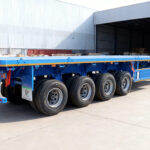
For carriers, contractors, and equipment dealers, flatbed trailer loading is not just a yard task before departure. It is the point where transport safety, legal compliance, cargo condition, and driver efficiency all meet, so flatbed trailer loading deserves a clear process. A flatbed can handle machinery, steel, building materials, and oversized components, but the open deck also leaves little room for careless planning. This checklist explains how to prepare the trailer, position the load, secure cargo, and complete a final inspection before the vehicle leaves the site.

Start With the Cargo Profile
Effective flatbed trailer loading begins before the forklift or crane moves. Confirm the cargo weight, dimensions, center of gravity, lifting points, and any fragile surfaces. If the shipment includes machinery, check whether attachments, buckets, booms, tires, or loose parts need separate restraint. For mixed loads, group items by weight and shape so heavier cargo can sit lower and closer to the trailer structure.
Operators should also compare the cargo profile with the rated capacity of the trailer, axles, tires, landing gear, ramps, and tie-down points. Do not treat deck length as the only limit. A load may physically fit but still create poor axle distribution or unsafe overhang. Good flatbed trailer loading balances capacity, deck space, road regulations, and unloading sequence. For buyers comparing open-deck options, this flatbed trailer comparison is a useful starting point.
Inspect the Trailer Before Loading
A short inspection can prevent a costly delay. Walk around the trailer and check the deck surface, crossmembers, side rails, stake pockets, winches, D-rings, ramps, suspension, lights, tires, and brake connections. Remove mud, loose timber, broken straps, nails, ice, or other debris from the deck. For flatbed trailer loading in wet or dusty sites, clean contact areas so blocking and friction mats can work as intended.

If the trailer uses removable side boards, twist locks, container locks, or hydraulic ramps, test the components before the cargo arrives. A weak anchor point or damaged ramp should be corrected before loading begins, not discovered after equipment is already on the deck.
Plan Weight Distribution
Weight distribution is one of the most important parts of flatbed trailer loading. Place the heaviest section of the cargo near the trailer’s strongest support area and keep the center of gravity as low and centered as practical. Avoid loading all weight at the rear, because this can reduce tractor traction and overload trailer axles. Avoid excessive front loading as well, because it can overload the kingpin and drive axles.
For heavy machinery, align tracks or wheels with reinforced deck zones when possible. Use blocking to prevent concentrated pressure from damaging the deck during flatbed trailer loading. If several items are loaded together, place dense cargo first, then lighter or irregular items where they do not interfere with tie-down angles.
| Checkpoint | What to Confirm |
|---|---|
| Cargo weight | Within trailer, axle, tire, and road limits |
| Center of gravity | Low, stable, and close to the trailer centerline |
| Contact points | Supported by deck structure, blocking, or mats |
| Unloading order | No cargo blocks safe access to the first item removed |

Use the Right Securement Method
Securement is where flatbed trailer loading becomes road-ready. Use chains, binders, straps, edge protectors, chocks, wedges, and blocking that match the cargo type. Sharp steel edges can cut webbing, while heavy tracked equipment often requires chains at approved points. In flatbed trailer loading, tie-down angles matter: a vertical strap may hold cargo down, but it may not stop forward, rearward, or side movement unless paired with blocking or opposing restraints.
For general guidance, fleets can review the FMCSA cargo securement rules. The details vary by market and cargo type, so local regulations and customer requirements should always be checked. A well-built trailer gives the operator strong attachment options, but flatbed trailer loading still depends on correct restraint selection and inspection. For broader equipment transport planning, see this heavy haul trailer guide.
Check Visibility, Overhang, and Route Risks
Before departure, confirm that the load does not block lights, reflectors, license plates, or required markings. Measure overhang and width, then decide whether flags, lamps, escorts, or permits are needed. A semi-trailer may operate across many routes, but bridges, tight turns, site entrances, and uneven ground can create risks when the cargo is tall, wide, or rear-heavy.
Flatbed trailer loading should also consider unloading. The safest loading pattern is not always the most compact one. Leave practical access for cranes, forklifts, ramps, and workers. If the receiving site has limited turning room, position the cargo so it can be removed without unnecessary repositioning.
Final Walkaround Before Dispatch
Complete a final flatbed trailer loading walkaround with the driver and loading supervisor. Confirm that binders are locked, straps are not twisted, loose parts are secured, blocking is tight, and no tools remain on the deck. Check tire clearance, suspension level, air lines, electrical cables, and landing gear position. After the first short distance, stop and recheck the restraints because cargo and blocking can settle.
Reliable flatbed trailer loading is a repeatable process, not a guess made under time pressure. When the team follows a checklist, chooses the correct trailer, and respects weight distribution, the result is safer transport, fewer claims, and a smoother delivery for heavy equipment and industrial cargo.
فئات المدونة
اتصل بنا
آخر الأخبار
-

Tanker Semi Trailer Compartment Planning for Safer Liquid Cargo Dispatch
-

دليل المقطورات متعددة المحاور لنقل المعدات الثقيلة
-
Flatbed Trailer Chain Angle Guide for Safer Cargo Securing
-
Semi Trailer Frame Inspection Guide for Heavy-Duty Buyers
-
Semi Trailer Underride Guard Inspection Checklist for Fleet Safety
-
Semi Trailer Maintenance Records Guide for Fleet Buyers
-

Semi Trailer Brake Inspection Checklist Before Regional Dispatch
-

نصف المقطورات الهيدروليكية: كيفية اختيار الطراز المناسب
-

Bulk Powder Tanker Air Compressor Matching Guide
-
Refrigerated Semi Trailer Loading Checklist for Cold Chain Dispatch
-

Semi Trailer Landing Gear Inspection Checklist for Safer Yard Operations
-

Side Curtain Trailer Loading Access Guide for Pallet Freight
-

Tanker Semi Trailer Baffle Planning for Liquid Cargo Stability
-

الشركة المصنعة للمقطورات المنخفضة: كيفية اختيار الشريك المناسب لنقل المعدات الثقيلة
-

Long Cargo Transport Checklist for Steel, Pipe, and Precast Loads
عرض حلول الصناعة لدينا
أو تعرف على محتوى الصناعة الأخرى
جدول المحتويات
For carriers, contractors, and equipment dealers, flatbed trailer loading is not just a yard task before departure. It is the point where transport safety, legal compliance, cargo condition, and driver efficiency all meet, so flatbed trailer loading deserves a clear process. A flatbed can handle machinery, steel, building materials, and oversized components, but the open deck also leaves little room for careless planning. This checklist explains how to prepare the trailer, position the load, secure cargo, and complete a final inspection before the vehicle leaves the site.
Start With the Cargo Profile
Effective flatbed trailer loading begins before the forklift or crane moves. Confirm the cargo weight, dimensions, center of gravity, lifting points, and any fragile surfaces. If the shipment includes machinery, check whether attachments, buckets, booms, tires, or loose parts need separate restraint. For mixed loads, group items by weight and shape so heavier cargo can sit lower and closer to the trailer structure.
Operators should also compare the cargo profile with the rated capacity of the trailer, axles, tires, landing gear, ramps, and tie-down points. Do not treat deck length as the only limit. A load may physically fit but still create poor axle distribution or unsafe overhang. Good flatbed trailer loading balances capacity, deck space, road regulations, and unloading sequence. For buyers comparing open-deck options, this flatbed trailer comparison is a useful starting point.
Inspect the Trailer Before Loading
A short inspection can prevent a costly delay. Walk around the trailer and check the deck surface, crossmembers, side rails, stake pockets, winches, D-rings, ramps, suspension, lights, tires, and brake connections. Remove mud, loose timber, broken straps, nails, ice, or other debris from the deck. For flatbed trailer loading in wet or dusty sites, clean contact areas so blocking and friction mats can work as intended.
If the trailer uses removable side boards, twist locks, container locks, or hydraulic ramps, test the components before the cargo arrives. A weak anchor point or damaged ramp should be corrected before loading begins, not discovered after equipment is already on the deck.
Plan Weight Distribution
Weight distribution is one of the most important parts of flatbed trailer loading. Place the heaviest section of the cargo near the trailer’s strongest support area and keep the center of gravity as low and centered as practical. Avoid loading all weight at the rear, because this can reduce tractor traction and overload trailer axles. Avoid excessive front loading as well, because it can overload the kingpin and drive axles.
For heavy machinery, align tracks or wheels with reinforced deck zones when possible. Use blocking to prevent concentrated pressure from damaging the deck during flatbed trailer loading. If several items are loaded together, place dense cargo first, then lighter or irregular items where they do not interfere with tie-down angles.
| Checkpoint | What to Confirm |
|---|---|
| Cargo weight | Within trailer, axle, tire, and road limits |
| Center of gravity | Low, stable, and close to the trailer centerline |
| Contact points | Supported by deck structure, blocking, or mats |
| Unloading order | No cargo blocks safe access to the first item removed |
Use the Right Securement Method
Securement is where flatbed trailer loading becomes road-ready. Use chains, binders, straps, edge protectors, chocks, wedges, and blocking that match the cargo type. Sharp steel edges can cut webbing, while heavy tracked equipment often requires chains at approved points. In flatbed trailer loading, tie-down angles matter: a vertical strap may hold cargo down, but it may not stop forward, rearward, or side movement unless paired with blocking or opposing restraints.
For general guidance, fleets can review the FMCSA cargo securement rules. The details vary by market and cargo type, so local regulations and customer requirements should always be checked. A well-built trailer gives the operator strong attachment options, but flatbed trailer loading still depends on correct restraint selection and inspection. For broader equipment transport planning, see this heavy haul trailer guide.
Check Visibility, Overhang, and Route Risks
Before departure, confirm that the load does not block lights, reflectors, license plates, or required markings. Measure overhang and width, then decide whether flags, lamps, escorts, or permits are needed. A semi-trailer may operate across many routes, but bridges, tight turns, site entrances, and uneven ground can create risks when the cargo is tall, wide, or rear-heavy.
Flatbed trailer loading should also consider unloading. The safest loading pattern is not always the most compact one. Leave practical access for cranes, forklifts, ramps, and workers. If the receiving site has limited turning room, position the cargo so it can be removed without unnecessary repositioning.
Final Walkaround Before Dispatch
Complete a final flatbed trailer loading walkaround with the driver and loading supervisor. Confirm that binders are locked, straps are not twisted, loose parts are secured, blocking is tight, and no tools remain on the deck. Check tire clearance, suspension level, air lines, electrical cables, and landing gear position. After the first short distance, stop and recheck the restraints because cargo and blocking can settle.
Reliable flatbed trailer loading is a repeatable process, not a guess made under time pressure. When the team follows a checklist, chooses the correct trailer, and respects weight distribution, the result is safer transport, fewer claims, and a smoother delivery for heavy equipment and industrial cargo.
فئات المدونة
اتصل بنا
آخر الأخبار
-

مقطورة معقوفة قابلة للفصل: دليل عملي لنقل المعدات الثقيلة
-
Side Curtain Trailer Loading Access Guide for Pallet Freight
-

Skeletal Trailer Kingpin Area Inspection for Container Fleets
-
Rear Dump Trailer Tailgate Seal Inspection for Wet Material Loads
-
Bulk Powder Tanker Air Line Inspection Before Dry Bulk Loading
-
Container Chassis Twist Lock Inspection Guide for Port Fleets
-
Flatbed Trailer Side Rail Guide for Mixed Industrial Cargo
-

How to Choose a Reliable Semi Trailer Manufacturer for Your Business
-
دليل المقطورات متعددة المحاور لنقل المعدات الثقيلة
-

نقل المواد الخطرة: ناقلة يوفي، آمنة ومتوافقة
-
شاحنات نصف المقطورة: كيفية اختيار الشاحنة المناسبة لشركتك
-

موسم ذروة التجارة الإلكترونية: مقطورة حصة Yufei، مضاعفة الكفاءة.
-
Semi Trailer Wheel Bearing Inspection Guide for Long-Distance Fleets
-
Semi Trailer Electrical Inspection Checklist Before Fleet Dispatch
-
Semi Trailer Suspension Inspection Guide for Rough Road Operations
-

Heavy Equipment Transport: Complete Guide to Oversized Cargo Logistics
-
مقطورات النقل الثقيل: كيفية اختيار المقطورة المناسبة
عرض حلول الصناعة لدينا
أو تعرف على محتوى الصناعة الأخرى
نقل المعدات الهندسية النقل:
المقطورات المخصصة توفر حلولاً فعالة
تقوم Yufei بحل مشاكل نقل المعدات الهندسية لشركة خنان لتأجير المعدات:
نقاط ألم العميل:
عدم كفاية القدرة الاستيعابية للحفارات التي تزن 35 طناً، والتأخير بسبب ضعف قدرات الدوران على طرق مواقع البناء الضيقة، وتجاوز مدة تسليم المقطورات 45 يوماً.
الحل:
مقطورات مخصصة منخفضة السعة 80 طناً مزودة بمنصات شحن بطول 1.2 متر ومزودة بمقود هيدروليكي، مع خطوط إنتاج مرنة للتسليم السريع.

نقل المواد الخطرة:
شاحنات الصهاريج من الفئة A تعزز السلامة وتزيد الأرباح
حلّت Yufei تحديًا أساسيًا لشريكها اللوجستي، شركة Sinopec، في نقل المواد الخطرة:
نقاط ألم العميل:
تنطوي شاحنات الصهاريج القديمة على مخاطر تسرب كبيرة، ويحد الوزن الذاتي البالغ 12 طناً من سعة الحمولة، ويتجاوز استهلاك الوقود 35 لتراً.
الحل:
تحتوي الناقلة من الفئة A على خزان 304 غير قابل للصدأ، وأجهزة أمان ثلاثية وهيكل خفيف الوزن 0690.

الخدمات اللوجستية العامة:
مقطورة الحصة المقطورة تحل تحديات سعة النقل
تساعد Yufei إحدى شركات الخدمات اللوجستية في شاندونغ في التغلب على مشاكل النقل خلال مواسم ذروة التجارة الإلكترونية:
نقاط ألم العميل:
تتسم المقطورات القديمة ببطء أوقات التحميل والتفريغ، وسعتها المحدودة للبضائع الضخمة، واستهلاكها للوقود الذي يتجاوز 32 لتراً، وعدم كفاية سعة النقل خلال مواسم الذروة.
الحل:
مقطورات قابلة للطي قابلة للتخصيص، هيكل فولاذي خفيف الوزن Q690 + تفريغ ذاتي هيدروليكي.

[دراسات حالة العميل]
حلول Yufei المخصصة
تتخذ شركة Yufei من ليانغشان مقراً لها، وهي متخصصة في صناعة المقطورات ذات الأغراض الخاصة/شبه المقطورات منذ عام 2008، مع وجود حالات خدمة حقيقية في جميع أنحاء العالم تثبت قدراتها التصنيعية الذكية.
[دراسات حالة العميل]
حلول Yufei المخصصة
تتخذ شركة Yufei من ليانغشان مقراً لها، وهي متخصصة في صناعة المقطورات ذات الأغراض الخاصة/شبه المقطورات منذ عام 2008، مع وجود حالات خدمة حقيقية في جميع أنحاء العالم تثبت قدراتها التصنيعية الذكية.
نقل المعدات الهندسية النقل:
المقطورات المخصصة توفر حلولاً فعالة
تقوم Yufei بحل مشاكل نقل المعدات الهندسية لشركة خنان لتأجير المعدات:
نقاط ألم العميل:
عدم كفاية القدرة الاستيعابية للحفارات التي تزن 35 طناً، والتأخير بسبب ضعف قدرات الدوران على طرق مواقع البناء الضيقة، وتجاوز مدة تسليم المقطورات 45 يوماً.
الحل:
مقطورات مخصصة منخفضة السعة 80 طناً مزودة بمنصات شحن بطول 1.2 متر ومزودة بمقود هيدروليكي، مع خطوط إنتاج مرنة للتسليم السريع.
نقل المواد الخطرة:
شاحنات الصهاريج من الفئة A تعزز السلامة وتزيد الأرباح
حلّت Yufei تحديًا أساسيًا لشريكها اللوجستي، شركة Sinopec، في نقل المواد الخطرة:
نقاط ألم العميل:
تنطوي شاحنات الصهاريج القديمة على مخاطر تسرب كبيرة، ويحد الوزن الذاتي البالغ 12 طناً من سعة الحمولة، ويتجاوز استهلاك الوقود 35 لتراً.
الحل:
تحتوي الناقلة من الفئة A على خزان 304 غير قابل للصدأ، وأجهزة أمان ثلاثية وهيكل خفيف الوزن 0690.
الخدمات اللوجستية العامة:
مقطورة الحصة المقطورة تحل تحديات سعة النقل
تساعد Yufei إحدى شركات الخدمات اللوجستية في شاندونغ في التغلب على مشاكل النقل خلال مواسم ذروة التجارة الإلكترونية:
نقاط ألم العميل:
تتسم المقطورات القديمة ببطء أوقات التحميل والتفريغ، وسعتها المحدودة للبضائع الضخمة، واستهلاكها للوقود الذي يتجاوز 32 لتراً، وعدم كفاية سعة النقل خلال مواسم الذروة.
الحل:
مقطورات قابلة للطي قابلة للتخصيص، هيكل فولاذي خفيف الوزن Q690 + تفريغ ذاتي هيدروليكي.
[المزايا الأساسية]
التنافسية الأساسية
مدفوعة بالذكاء والخدمة
قوي
فريق البحث والتطوير : فريق البحث والتطوير :
فريق مكون من 120 عضوًا، 45% كبار الألقاب التقنية الرائدة

ذكي
التصنيع::التصنيع
اللحام الآلي، ضمان الدقة 99%+ اللحام الآلي، 99%

سريع
التخصيص : التخصيص
خطوط مرنة لتلبية الاحتياجات المتنوعة، والتوصيل خلال 7 أيام

صارم
مراقبة الجودة::مراقبة الجودة
مراقبة كاملة للعمليات، حاصلة على شهادة ISO9001

شامل
خدمات ما بعد البيع :
استجابة على مدار 24 ساعة، ودعم التشغيل مدى الحياة

صناعي
الكتلة المتقدمة : الكتلة المتقدمة
قاعدة ليانغشان، سلسلة توريد فعالة

خفيف الوزن
الاختراق التكنولوجي :
تحسين الطوبولوجيا، تخفيض الوزن 18%

مكتمل
المؤهلات::المؤهلات
معتمدة من CCC، الفئة A للبضائع الخطرة

[اتصل بنا]
جاهز للعثور على
حل المقطورة المثالي







