
Refrigerated Semi Trailer Loading Checklist for Cold Chain Dispatch
Refrigerated Semi Trailer Loading Checklist for Cold Chain Dispatch
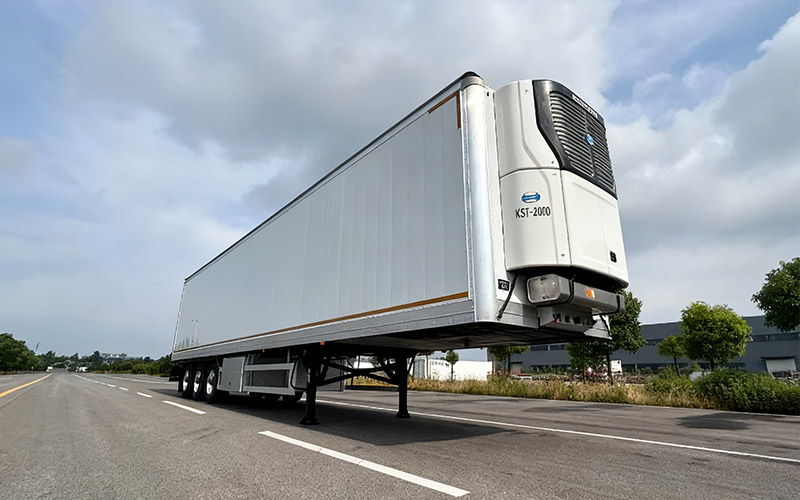
A refrigerated semi trailer protects food, pharmaceuticals, and other temperature-sensitive cargo only when loading discipline matches the equipment. Many cold-chain issues begin before the vehicle leaves the yard: warm cargo, blocked air channels, weak door seals, rushed paperwork, or cargo stacked too tightly against the rear doors. This refrigerated semi trailer checklist helps dispatch teams prepare each load with fewer avoidable risks.

Why Loading Discipline Matters
A refrigerated semi trailer is part of a wider cold chain, not a repair tool for poor preparation. The refrigeration unit helps maintain the set temperature, but it should not be expected to cool down cargo that enters too warm. Before dispatch, confirm the cargo temperature, route duration, unloading points, and any cleaning requirement from the receiver.
Pre-Cool the Body Before Loading
Start the unit early enough to bring the body close to the required operating range. Keep doors closed during pre-cooling, and avoid loading while the interior is still recovering from washing or yard heat. A refrigerated semi trailer should be stabilized before pallets enter, especially when handling frozen food, dairy, meat, seafood, flowers, or chilled packaged goods.
Check Door Seals, Floor, and Airflow Paths
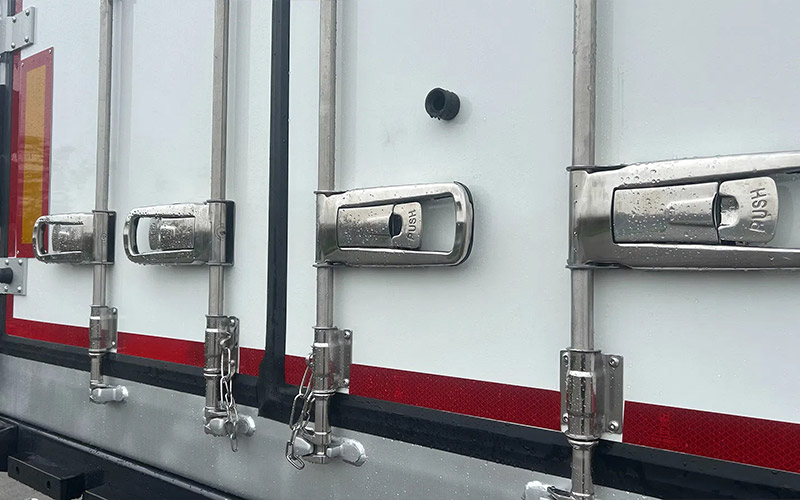
Inspect rear doors, side access points, hinges, locks, drain holes, and interior panels. Damaged seals allow warm air and moisture to enter. Clear floor channels and return-air areas so the system can circulate air evenly. A refrigerated semi trailer with blocked airflow may show a correct unit reading while cargo in the rear or upper stack warms unevenly.
Match Cargo Temperature to the Trailer
Load only cargo that has already reached the correct shipping temperature. Mixed-temperature freight should be separated only when the trailer configuration and operating plan support it. If the product is still cooling after production or packing, hold it in the warehouse. A refrigerated semi trailer performs best when it maintains a stable condition rather than correcting warehouse delays.
Plan Pallet Position and Air Circulation
Leave space around walls, doors, and the evaporator area. Do not crush flexible packaging against side panels, and avoid tall stacks that interrupt air return. When planning a refrigerated semi trailer purchase, ask how floor design, insulation, door layout, and refrigeration capacity match the normal pallet size and route profile.
Use a Simple Dispatch Table
| Checkpoint | What to Confirm | Why It Matters |
|---|---|---|
| Pre-cool | Body temperature is stable before loading | Reduces early temperature swing |
| Airflow | Floor channels and return air are clear | Helps the load cool evenly |
| Seals | Doors close tightly with no visible gaps | Limits warm air and condensation |
| Records | Set point, loading time, and cargo condition noted | Supports handover and dispute prevention |
Record Temperature and Handover Details
Record the set point, body temperature, cargo temperature if available, loading time, seal number, route instructions, and driver handover notes. A refrigerated semi trailer operation becomes easier to audit when each dispatch uses the same short checklist. Refrigerated semi trailer records also help separate equipment issues from loading, waiting, or unloading problems.
Clean and Inspect After Delivery
After unloading, remove packaging debris, check for liquid residue, inspect the floor and wall surfaces, and dry the body before the next assignment. For food logistics, cleaning should follow the shipper and receiver requirements. A refrigerated semi trailer that returns clean and dry is easier to pre-cool and less likely to carry odor or contamination into the next load.
When to Review Trailer Specification
If delays, multi-stop routes, high ambient temperatures, or recurring door openings are common, review the trailer specification instead of blaming every temperature alarm on the driver. Insulation, body length, unit capacity, door arrangement, floor type, and cargo mix all affect performance. YF Trailer also supports food perishables transport planning for buyers comparing fleet options.
Frequently Asked Questions
Can a refrigerated semi trailer cool warm cargo?
It is designed mainly to maintain temperature. Warm cargo should be cooled in the warehouse before loading.
How much space should be left for airflow?
Leave clear paths near walls, doors, floor channels, and the refrigeration return-air area so air can circulate.
Should the trailer be washed before every load?
Cleaning depends on the cargo and receiver requirements, but the body should always be free from residue, odor, and standing water.
What records should drivers keep?
At minimum, keep the set point, loading time, seal number, handover notes, and any visible cargo or equipment concerns.
When should buyers customize the specification?
Customization is worth reviewing when routes are long, unloading is frequent, ambient temperatures are high, or cargo types vary by season.
Talk to YF Trailer
If your fleet needs a refrigerated semi trailer for food distribution, cold-chain logistics, or mixed regional delivery, share your cargo type, route length, loading method, and operating climate with YF Trailer. The team can help review a practical configuration for your dispatch conditions.

Blog Categories
Contact Us
Latest News
-

Lowbed Trailer Manufacturer: How to Choose the Right Partner for Heavy Equipment Transport
-

Semi Trailer Brake Air Line Routing Guide for Fleet Reliability
-

Tanker Semi Trailer Valve Inspection Checklist Before Dispatch
-

Tanker Semi Trailer Manhole Inspection Guide Before Loading
-

Side Curtain Trailer Weatherproofing Checklist for Palletized Freight
-

Flatbed Trailer Loading Surface Guide for Machinery Buyers
-

Yufei Customization: Reconstructing Transport Value
-

Semi Trailer Electrical Inspection Checklist Before Fleet Dispatch
-

Lowbed Trailer Route Survey Checklist for Heavy Equipment Moves
-
How to Choose Semi Trailer Solutions for Different Regions and Road Conditions
-

Heavy Haul Trailer Guide: Types, Specs & Buying Tips
-

Lowbed Trailer vs Flatbed Trailer: Which One Is Right for Your Transport Needs
-
Lowbed Trailer Neck Design Guide for Equipment Transport
-
Hydraulic Semi-Trailers in 2026: Navigating the Evolving Landscape
View our industry solutions
Or learn about other industry content
A refrigerated semi trailer protects food, pharmaceuticals, and other temperature-sensitive cargo only when loading discipline matches the equipment. Many cold-chain issues begin before the vehicle leaves the yard: warm cargo, blocked air channels, weak door seals, rushed paperwork, or cargo stacked too tightly against the rear doors. This refrigerated semi trailer checklist helps dispatch teams prepare each load with fewer avoidable risks.
Why Loading Discipline Matters
A refrigerated semi trailer is part of a wider cold chain, not a repair tool for poor preparation. The refrigeration unit helps maintain the set temperature, but it should not be expected to cool down cargo that enters too warm. Before dispatch, confirm the cargo temperature, route duration, unloading points, and any cleaning requirement from the receiver.
Pre-Cool the Body Before Loading
Start the unit early enough to bring the body close to the required operating range. Keep doors closed during pre-cooling, and avoid loading while the interior is still recovering from washing or yard heat. A refrigerated semi trailer should be stabilized before pallets enter, especially when handling frozen food, dairy, meat, seafood, flowers, or chilled packaged goods.
Check Door Seals, Floor, and Airflow Paths
Inspect rear doors, side access points, hinges, locks, drain holes, and interior panels. Damaged seals allow warm air and moisture to enter. Clear floor channels and return-air areas so the system can circulate air evenly. A refrigerated semi trailer with blocked airflow may show a correct unit reading while cargo in the rear or upper stack warms unevenly.
Match Cargo Temperature to the Trailer
Load only cargo that has already reached the correct shipping temperature. Mixed-temperature freight should be separated only when the trailer configuration and operating plan support it. If the product is still cooling after production or packing, hold it in the warehouse. A refrigerated semi trailer performs best when it maintains a stable condition rather than correcting warehouse delays.
Plan Pallet Position and Air Circulation
Leave space around walls, doors, and the evaporator area. Do not crush flexible packaging against side panels, and avoid tall stacks that interrupt air return. When planning a refrigerated semi trailer purchase, ask how floor design, insulation, door layout, and refrigeration capacity match the normal pallet size and route profile.
Use a Simple Dispatch Table
| Checkpoint | What to Confirm | Why It Matters |
|---|---|---|
| Pre-cool | Body temperature is stable before loading | Reduces early temperature swing |
| Airflow | Floor channels and return air are clear | Helps the load cool evenly |
| Seals | Doors close tightly with no visible gaps | Limits warm air and condensation |
| Records | Set point, loading time, and cargo condition noted | Supports handover and dispute prevention |
Record Temperature and Handover Details
Record the set point, body temperature, cargo temperature if available, loading time, seal number, route instructions, and driver handover notes. A refrigerated semi trailer operation becomes easier to audit when each dispatch uses the same short checklist. Refrigerated semi trailer records also help separate equipment issues from loading, waiting, or unloading problems.
Clean and Inspect After Delivery
After unloading, remove packaging debris, check for liquid residue, inspect the floor and wall surfaces, and dry the body before the next assignment. For food logistics, cleaning should follow the shipper and receiver requirements. A refrigerated semi trailer that returns clean and dry is easier to pre-cool and less likely to carry odor or contamination into the next load.
When to Review Trailer Specification
If delays, multi-stop routes, high ambient temperatures, or recurring door openings are common, review the trailer specification instead of blaming every temperature alarm on the driver. Insulation, body length, unit capacity, door arrangement, floor type, and cargo mix all affect performance. YF Trailer also supports food perishables transport planning for buyers comparing fleet options.
Frequently Asked Questions
Can a refrigerated semi trailer cool warm cargo?
It is designed mainly to maintain temperature. Warm cargo should be cooled in the warehouse before loading.
How much space should be left for airflow?
Leave clear paths near walls, doors, floor channels, and the refrigeration return-air area so air can circulate.
Should the trailer be washed before every load?
Cleaning depends on the cargo and receiver requirements, but the body should always be free from residue, odor, and standing water.
What records should drivers keep?
At minimum, keep the set point, loading time, seal number, handover notes, and any visible cargo or equipment concerns.
When should buyers customize the specification?
Customization is worth reviewing when routes are long, unloading is frequent, ambient temperatures are high, or cargo types vary by season.
Talk to YF Trailer
If your fleet needs a refrigerated semi trailer for food distribution, cold-chain logistics, or mixed regional delivery, share your cargo type, route length, loading method, and operating climate with YF Trailer. The team can help review a practical configuration for your dispatch conditions.
Blog Categories
Contact Us
Latest News
-
Flatbed Trailer Loading Surface Guide for Machinery Buyers
-
Multi Axle Trailer Guide for Heavy Equipment Transport
-

Flatbed Trailer for Coil Transport: Buyer Guide for Steel Cargo
-
Semi Trailer Import Checklist for Overseas Fleet Buyers
-
Semi Trailer Trucks: How to Choose the Right One for Your Business
-

Bulk Powder Tanker Air Compressor Matching Guide
-
Flatbed Trailer Loading Checklist for Safer Heavy Equipment Transport
-
Side Curtain Trailer Weatherproofing Checklist for Palletized Freight
-
Tanker Semi Trailer Valve Inspection Checklist Before Dispatch
-

Lowbed Trailer Applications for Heavy Equipment Transport
-
Lowbed Trailer vs Multi Axle Trailer: Which One Should You Choose
-
Semi Trailer Corrosion Protection Guide for Wet and Coastal Routes
-
Refrigerated Semi Trailer Door Seal Inspection for Cold Chain Loads
-
Flatbed Trailer Tie Down Point Inspection Before Industrial Loads
-
Semi Trailer Suspension Inspection Guide for Rough Road Operations
-
Semi Trailer Tire Maintenance Checklist for Long-Distance Fleets
-
Hydraulic Trailer System Inspection Guide for Heavy Haul Work
View our industry solutions
Or learn about other industry content
Engineering Equipment Transportation:
Custom Trailers Provide Efficient Solutions
Yufei solves the pain points of engineering equipment transportation for a Henan equipment leasing company:
Customer Pain Points:
Insufficient carrying capacity for 35-ton excavators, delays due to poor turning capabilities on narrow construction site roads, and trailer delivery times exceeding 45 days.
Solution:
Customized 80-ton low-bed trailers with 1.2-meter cargo platforms and hydraulic steering, with flexible production lines for expedited delivery.

Hazardous Materials Transportation:
Class A Tank Trucks Enhance Safety and Increase Profits
Yufei solved a core challenge for its logistics partner, Sinopec, in the transportation of hazardous materials:
Customer Pain Points:
Old tank trucks have significant leak risks, a 12-ton self-weight limits cargo capacity, and fuel consumption exceeds 35L.
Solution:
The Class A tanker has 304 stainless tank, triple safety devices and lightweight 0690 structure.

General Logistics:
Stake Trailer Solves Transportation Capacity Challenges
Yufei helps a Shandong logistics company overcome transportation pain points during peak e-commerce seasons:
Customer Pain Points:
Old trailers have slow loading and unloading times, limited capacity for bulky goods, fuel consumption exceeds 32L, and insufficient transportation capacity during peak seasons.
Solution:
Customizable foldable stake trailers, lightweight Q690 steel construction + hydraulic self-unloading.

[Customer Case Studies]
Yufei's customized solutions
Based in Liangshan, Yufei has been specializing in special purpose/semi-trailers since 2008, with real-world service cases worldwide demonstrating its intelligent manufacturing capabilities.
[Customer Case Studies]
Yufei's customized solutions
Based in Liangshan, Yufei has been specializing in special purpose/semi-trailers since 2008, with real-world service cases worldwide demonstrating its intelligent manufacturing capabilities.
Engineering Equipment Transportation:
Custom Trailers Provide Efficient Solutions
Yufei solves the pain points of engineering equipment transportation for a Henan equipment leasing company:
Customer Pain Points:
Insufficient carrying capacity for 35-ton excavators, delays due to poor turning capabilities on narrow construction site roads, and trailer delivery times exceeding 45 days.
Solution:
Customized 80-ton low-bed trailers with 1.2-meter cargo platforms and hydraulic steering, with flexible production lines for expedited delivery.
Hazardous Materials Transportation:
Class A Tank Trucks Enhance Safety and Increase Profits
Yufei solved a core challenge for its logistics partner, Sinopec, in the transportation of hazardous materials:
Customer Pain Points:
Old tank trucks have significant leak risks, a 12-ton self-weight limits cargo capacity, and fuel consumption exceeds 35L.
Solution:
The Class A tanker has 304 stainless tank, triple safety devices and lightweight 0690 structure.
General Logistics:
Stake Trailer Solves Transportation Capacity Challenges
Yufei helps a Shandong logistics company overcome transportation pain points during peak e-commerce seasons:
Customer Pain Points:
Old trailers have slow loading and unloading times, limited capacity for bulky goods, fuel consumption exceeds 32L, and insufficient transportation capacity during peak seasons.
Solution:
Customizable foldable stake trailers, lightweight Q690 steel construction + hydraulic self-unloading.
[Core advantages]
Core Competitiveness
Driven by Intelligence & Service
Strong
R&D Team:
120-member team, 45% senior titles, leading tech

Intelligent
Manufacturing:
Robotic welding, 99%+ precision guarantee

Rapid
Customization:
Flexible lines for diverse needs, 7-day delivery

Strict
Quality Control:
Full-process control, ISO9001 certified

Comprehensive
After-sales:
24h response, lifelong operation support

Industrial
Cluster Adv:
Liangshan base, efficient supply chain

Lightweight
Tech Breakthrough:
Topology optimization, 18% weight reduction

Complete
Qualifications:
CCC certified, Class A for hazardous goods

[Contact us]
Ready to Find Your
Perfect Trailer Solution







