
Semi Trailer Electrical Inspection Checklist Before Fleet Dispatch</dynamictext
Semi Trailer Electrical Inspection Checklist Before Fleet Dispatch</dynamictext

Start With the Power Connection
Every semi trailer electrical inspection should begin at the tractor-to-trailer connection. Check that the plug seats firmly, the cable is not stretched during turns, and the socket cover closes properly when disconnected. Look for bent pins, cracked housings, loose locking tabs, and signs of green or white corrosion. If the trailer uses an adapter, confirm it is rated for the equipment and is not being used to hide a damaged connector.Check All Required Lights in Sequence
Work in a fixed order so no light is skipped: tail lamps, brake lamps, turn signals, reverse lamps, side markers, clearance lamps, license plate light, and hazard flashers. During a semi trailer electrical inspection, one person should operate the controls while another walks around the trailer. If the fleet runs at night, in ports, or on busy jobsite roads, weak lamps should be treated as a dispatch issue rather than a cosmetic problem.| Check point | What to confirm | Common fault |
|---|---|---|
| Connector | Firm fit, clean pins, no cracked cover | Intermittent power loss |
| Marker lights | Even brightness on both sides | Loose ground or damaged lens |
| Harness | Protected routing away from sharp edges | Rubbed insulation |
Inspect Harness Routing and Protection
The wiring harness should be secured away from moving suspension parts, tire spray, sharp frame edges, and areas where cargo chains or forklifts may strike it. A practical semi trailer electrical inspection includes looking under the frame, around crossmembers, and near rear impact protection. Any hanging loop, crushed conduit, or exposed copper deserves attention before vibration turns it into a complete lighting failure.
Look for Moisture, Corrosion, and Ground Problems
Electrical faults often appear after rain, washing, winter road chemicals, or repeated loading in dusty yards. During the semi trailer electrical inspection, open accessible lamp housings only when the maintenance procedure allows it, and check for water staining, cloudy lenses, damaged seals, or loose ground points. Cleaning a connection may help, but repeated corrosion usually means the seal, routing, or component needs repair.Match the Checklist to Trailer Type
Different body styles expose wiring to different risks. A skeletal chassis may need extra attention around twist-lock areas and rear lamps, while a side curtain trailer may have more marker lights along the body. Fleets comparing equipment in the semi-trailer truck series should include electrical access and lamp protection in their specification review. The same semi trailer electrical inspection habit applies, but the high-risk zones change by trailer design.Confirm Reflective Devices and Visibility
Lighting is only part of visibility. Reflective tape, conspicuity markings, lenses, and rear warning surfaces should be clean and intact. The FMCSA lamp and reflector requirements are a useful reference for teams operating under U.S. rules. For other markets, verify the local standard instead of assuming one checklist fits every region. A disciplined semi trailer electrical inspection should always reflect the route and operating jurisdiction.Record Faults Before They Become Roadside Repairs
A checklist is only useful if defects are recorded clearly. Note the lamp position, symptom, trailer number, and whether the fault is constant or intermittent. If the semi trailer electrical inspection finds a repeated issue on the same circuit, maintenance should look beyond the bulb and check grounds, connectors, harness wear, and voltage supply. Good records also help buyers decide whether future trailers need improved harness protection or easier service access.
Use the Checklist During Procurement Reviews
For new equipment, the inspection routine can guide specification discussions. Buyers reviewing a special purpose vehicle series should ask how wiring is routed, how lamps are mounted, and how vulnerable areas are protected from water, stones, and cargo contact. A semi trailer electrical inspection is easier when the trailer design gives technicians safe access to common service points.When to Stop Dispatch
Dispatch should pause when brake lights fail, turn signals are unreliable, hazard lamps do not work, exposed wiring could short, or marker lights are missing on a route where visibility is critical. Minor issues can become major if the trailer will run at night, through bad weather, or across inspection points. The best semi trailer electrical inspection is short, repeatable, and strict enough to keep unsafe equipment out of service until it is repaired.Practical FAQ
How often should fleets perform a semi trailer electrical inspection? Before every dispatch, with deeper electrical checks during scheduled maintenance. What causes intermittent trailer lighting? Common causes include loose plugs, weak grounds, corroded pins, rubbed harness insulation, and damaged lamp seals. Can one semi trailer electrical inspection checklist work for every trailer? Use one core process, then add trailer-specific items for chassis, tankers, curtain trailers, dump trailers, or heavy haul equipment. Should drivers repair wiring on the road? Drivers should follow company policy. Temporary fixes should never replace proper diagnosis and workshop repair. What should buyers ask manufacturers? Ask about harness protection, lamp quality, connector access, sealing, grounding points, and service documentation.Final Takeaway
A consistent semi trailer electrical inspection protects drivers, cargo schedules, and fleet compliance. Keep the routine simple enough for daily use, document defects, and choose trailer designs that make electrical service straightforward. This daily semi trailer electrical inspection should be short enough to repeat but detailed enough to catch the faults that stop a trailer on the road. When the team treats semi trailer electrical inspection notes as maintenance signals, recurring faults become easier to solve.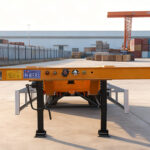
Категории блога
Свяжитесь с нами
Последние новости
-

Грузовики с полуприцепами: Как выбрать подходящий для вашего бизнеса
-

Semi Trailer Corrosion Protection Guide for Wet and Coastal Routes
-

Trailer Export Inspection Checklist for Overseas Buyers
-

Semi Trailer Tire Maintenance Checklist for Long-Distance Fleets
-

Flatbed Trailer Loading Surface Guide for Machinery Buyers
-

Lowbed Trailer Hydraulic Ramp Guide for Equipment Loading
-

Refrigerated Semi Trailer Door Seal Inspection for Cold Chain Loads
-
Special Purpose Trailer Maintenance Schedule for Fleet Reliability
-

Перевозка опасных грузов: Yufei Tanker, безопасность и соответствие требованиям
-
Прицепы для тяжелых грузов: Как правильно выбрать
-
Semi Trailer Load Distribution Guide for Safer Heavy Cargo Transport
-
Flatbed Trailer for Coil Transport: Buyer Guide for Steel Cargo
-

Semi Trailer Fleet Inspection Calendar for Monthly Maintenance Planning
-
Semi Trailer Spare Parts Planning for Fleet Maintenance Teams
-
Semi Trailer Export Documentation Checklist for Overseas Buyers
-
Semi Trailer Suspension Inspection Guide for Rough Road Operations
-

Tanker Semi Trailer Cleaning Preparation Before Cargo Changeover
-
Flatbed Trailer Deck Wear Inspection for Machinery Transport
Ознакомьтесь с нашими отраслевыми решениями
Или узнайте о других отраслевых материалах
Start With the Power Connection
Every semi trailer electrical inspection should begin at the tractor-to-trailer connection. Check that the plug seats firmly, the cable is not stretched during turns, and the socket cover closes properly when disconnected. Look for bent pins, cracked housings, loose locking tabs, and signs of green or white corrosion. If the trailer uses an adapter, confirm it is rated for the equipment and is not being used to hide a damaged connector.Check All Required Lights in Sequence
Work in a fixed order so no light is skipped: tail lamps, brake lamps, turn signals, reverse lamps, side markers, clearance lamps, license plate light, and hazard flashers. During a semi trailer electrical inspection, one person should operate the controls while another walks around the trailer. If the fleet runs at night, in ports, or on busy jobsite roads, weak lamps should be treated as a dispatch issue rather than a cosmetic problem.| Check point | What to confirm | Common fault |
|---|---|---|
| Connector | Firm fit, clean pins, no cracked cover | Intermittent power loss |
| Marker lights | Even brightness on both sides | Loose ground or damaged lens |
| Harness | Protected routing away from sharp edges | Rubbed insulation |
Inspect Harness Routing and Protection
The wiring harness should be secured away from moving suspension parts, tire spray, sharp frame edges, and areas where cargo chains or forklifts may strike it. A practical semi trailer electrical inspection includes looking under the frame, around crossmembers, and near rear impact protection. Any hanging loop, crushed conduit, or exposed copper deserves attention before vibration turns it into a complete lighting failure.Look for Moisture, Corrosion, and Ground Problems
Electrical faults often appear after rain, washing, winter road chemicals, or repeated loading in dusty yards. During the semi trailer electrical inspection, open accessible lamp housings only when the maintenance procedure allows it, and check for water staining, cloudy lenses, damaged seals, or loose ground points. Cleaning a connection may help, but repeated corrosion usually means the seal, routing, or component needs repair.Match the Checklist to Trailer Type
Different body styles expose wiring to different risks. A skeletal chassis may need extra attention around twist-lock areas and rear lamps, while a side curtain trailer may have more marker lights along the body. Fleets comparing equipment in the semi-trailer truck series should include electrical access and lamp protection in their specification review. The same semi trailer electrical inspection habit applies, but the high-risk zones change by trailer design.Confirm Reflective Devices and Visibility
Lighting is only part of visibility. Reflective tape, conspicuity markings, lenses, and rear warning surfaces should be clean and intact. The FMCSA lamp and reflector requirements are a useful reference for teams operating under U.S. rules. For other markets, verify the local standard instead of assuming one checklist fits every region. A disciplined semi trailer electrical inspection should always reflect the route and operating jurisdiction.Record Faults Before They Become Roadside Repairs
A checklist is only useful if defects are recorded clearly. Note the lamp position, symptom, trailer number, and whether the fault is constant or intermittent. If the semi trailer electrical inspection finds a repeated issue on the same circuit, maintenance should look beyond the bulb and check grounds, connectors, harness wear, and voltage supply. Good records also help buyers decide whether future trailers need improved harness protection or easier service access.Use the Checklist During Procurement Reviews
For new equipment, the inspection routine can guide specification discussions. Buyers reviewing a special purpose vehicle series should ask how wiring is routed, how lamps are mounted, and how vulnerable areas are protected from water, stones, and cargo contact. A semi trailer electrical inspection is easier when the trailer design gives technicians safe access to common service points.When to Stop Dispatch
Dispatch should pause when brake lights fail, turn signals are unreliable, hazard lamps do not work, exposed wiring could short, or marker lights are missing on a route where visibility is critical. Minor issues can become major if the trailer will run at night, through bad weather, or across inspection points. The best semi trailer electrical inspection is short, repeatable, and strict enough to keep unsafe equipment out of service until it is repaired.Practical FAQ
How often should fleets perform a semi trailer electrical inspection? Before every dispatch, with deeper electrical checks during scheduled maintenance. What causes intermittent trailer lighting? Common causes include loose plugs, weak grounds, corroded pins, rubbed harness insulation, and damaged lamp seals. Can one semi trailer electrical inspection checklist work for every trailer? Use one core process, then add trailer-specific items for chassis, tankers, curtain trailers, dump trailers, or heavy haul equipment. Should drivers repair wiring on the road? Drivers should follow company policy. Temporary fixes should never replace proper diagnosis and workshop repair. What should buyers ask manufacturers? Ask about harness protection, lamp quality, connector access, sealing, grounding points, and service documentation.Final Takeaway
A consistent semi trailer electrical inspection protects drivers, cargo schedules, and fleet compliance. Keep the routine simple enough for daily use, document defects, and choose trailer designs that make electrical service straightforward. This daily semi trailer electrical inspection should be short enough to repeat but detailed enough to catch the faults that stop a trailer on the road. When the team treats semi trailer electrical inspection notes as maintenance signals, recurring faults become easier to solve.Категории блога
Свяжитесь с нами
Последние новости
-
Производитель низкорамных прицепов: Как выбрать правильного партнера для перевозки тяжелой техники
-
Semi Trailer Types Explained for Different Transport Industries
-
Эффективность и безопасность вождения: Полуприцепы и автомобили специального назначения
-

Heavy Equipment Transport: Complete Guide to Oversized Cargo Logistics
-

Bulk Powder Tanker Loading Plan for Cleaner Dry Bulk Dispatch
-

Lowboy Trailer Ramp Angle Planning for Construction Machinery
-
Bulk Powder Tanker Air Compressor Matching Guide
-
Flatbed Trailer Loading Checklist for Safer Heavy Equipment Transport
-
Lowbed Trailer Route Survey Checklist for Heavy Equipment Moves
-

Пик сезона электронной коммерции: прицеп на колесах Yufei, удвоенная эффективность.
-
Tanker Semi Trailer Valve Inspection Checklist Before Dispatch
-

Сотрудничество в рамках цепочки поставок, трейлеры создают экосистему "промышленность - академия
-
Container Chassis Inspection Checklist Before Port Dispatch
-
Container Chassis Landing Gear Matching Guide for Yard Operations
-
Trailer Export Inspection Checklist for Overseas Buyers
-
Semi Trailer Lighting Inspection for Night Loading and Yard Safety
-
Flatbed Trailer Chain Angle Guide for Safer Cargo Securing
-
Semi Trailer Tire Maintenance Checklist for Long-Distance Fleets
Ознакомьтесь с нашими отраслевыми решениями
Или узнайте о других отраслевых материалах
Инженерное оборудование Транспорт:
Прицепы на заказ обеспечивают эффективные решения
Юфэй решает проблемы транспортировки инженерного оборудования для компании по лизингу оборудования из Хэнани:
Болевые точки клиентов:
Недостаточная грузоподъемность 35-тонных экскаваторов, задержки из-за плохих возможностей разворота на узких дорогах стройплощадок, а также сроки доставки прицепов, превышающие 45 дней.
Решение:
80-тонные низкорамные полуприцепы с грузовыми платформами длиной 1,2 метра и гидравлическим рулевым управлением, изготовленные по индивидуальному заказу, с гибкими производственными линиями для ускоренной доставки.

Транспортировка опасных материалов:
Грузовики-цистерны класса А повышают безопасность и увеличивают прибыль
Компания Yufei решила основную проблему своего логистического партнера, компании Sinopec, связанную с транспортировкой опасных материалов:
Болевые точки клиентов:
Старые автоцистерны имеют значительный риск утечки, 12-тонный собственный вес ограничивает грузоподъемность, а расход топлива превышает 35 л.
Решение:
Цистерна класса А имеет нержавеющую цистерну 304, тройные предохранительные устройства и легкую конструкцию 0690.

Общая логистика:
Прицеп с кольями решает проблемы с пропускной способностью
Yufei помогает логистической компании из Шаньдуна преодолевать проблемы с транспортировкой в пиковые сезоны электронной коммерции:
Болевые точки клиентов:
Старые прицепы имеют медленное время погрузки и разгрузки, ограниченную вместимость для крупногабаритных грузов, расход топлива превышает 32 л, а в пиковые сезоны не хватает транспортных мощностей.
Решение:
Настраиваемые складные прицепы с кольями, легкая стальная конструкция Q690 + гидравлическая саморазгрузка.

[Примеры из практики клиентов]
Индивидуальные решения Юфэй
Компания Yufei, расположенная в Ляншане, специализируется на производстве полуприцепов специального назначения с 2008 года, а реальные примеры из практики по всему миру демонстрируют ее интеллектуальные производственные возможности.
[Примеры из практики клиентов]
Индивидуальные решения Юфэй
Компания Yufei, расположенная в Ляншане, специализируется на производстве полуприцепов специального назначения с 2008 года, а реальные примеры из практики по всему миру демонстрируют ее интеллектуальные производственные возможности.
Инженерное оборудование Транспорт:
Прицепы на заказ обеспечивают эффективные решения
Юфэй решает проблемы транспортировки инженерного оборудования для компании по лизингу оборудования из Хэнани:
Болевые точки клиентов:
Недостаточная грузоподъемность 35-тонных экскаваторов, задержки из-за плохих возможностей разворота на узких дорогах стройплощадок, а также сроки доставки прицепов, превышающие 45 дней.
Решение:
80-тонные низкорамные полуприцепы с грузовыми платформами длиной 1,2 метра и гидравлическим рулевым управлением, изготовленные по индивидуальному заказу, с гибкими производственными линиями для ускоренной доставки.
Транспортировка опасных материалов:
Грузовики-цистерны класса А повышают безопасность и увеличивают прибыль
Компания Yufei решила основную проблему своего логистического партнера, компании Sinopec, связанную с транспортировкой опасных материалов:
Болевые точки клиентов:
Старые автоцистерны имеют значительный риск утечки, 12-тонный собственный вес ограничивает грузоподъемность, а расход топлива превышает 35 л.
Решение:
Цистерна класса А имеет нержавеющую цистерну 304, тройные предохранительные устройства и легкую конструкцию 0690.
Общая логистика:
Прицеп с кольями решает проблемы с пропускной способностью
Yufei помогает логистической компании из Шаньдуна преодолевать проблемы с транспортировкой в пиковые сезоны электронной коммерции:
Болевые точки клиентов:
Старые прицепы имеют медленное время погрузки и разгрузки, ограниченную вместимость для крупногабаритных грузов, расход топлива превышает 32 л, а в пиковые сезоны не хватает транспортных мощностей.
Решение:
Настраиваемые складные прицепы с кольями, легкая стальная конструкция Q690 + гидравлическая саморазгрузка.
[Основные преимущества]
Основная конкурентоспособность
Интеллект и сервис
Сильный
Команда НИОКР:
Команда из 120 человек, 451 титул старшего классаTP3T, ведущий технический специалист

Интеллектуальный
Производство:
Роботизированная сварка, гарантия точности 99%+

Быстрая
Персонализация:
Гибкие линии для различных потребностей, доставка в течение 7 дней

Строгий
Контроль качества:
Полный контроль процесса, сертификат ISO9001

Всеобъемлющий
Послепродажное обслуживание:
Круглосуточное реагирование, пожизненная эксплуатационная поддержка

Промышленность
Кластер Adv:
База Ляншань, эффективная цепочка поставок

Легкий
Технологический прорыв:
Оптимизация топологии, снижение веса 18%

Полный
Квалификация:
Сертифицировано CCC, класс A для опасных грузов

[Свяжитесь с нами]
Готовы найти свой
Идеальное решение для прицепов







