
Lowbed Trailer Neck Design Guide for Equipment Transport
Lowbed Trailer Neck Design Guide for Equipment Transport
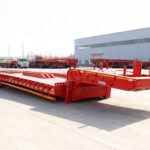
The neck of a lowbed trailer can decide whether a heavy equipment move feels controlled before the machine even reaches the deck. Lowbed trailer neck design affects tractor matching, turning space, load transfer, and service access.
Lowbed Trailer Neck Design helps buyers turn that concern into a practical review instead of a vague product conversation. The point is to connect the trailer detail with cargo, route, loading method, maintenance access, and handover records before the equipment is put to work.

Start With Tractor Match And Turning Room
Buyers often focus on payload and deck height first. Those matter, but the neck has to work with the tractor, fifth wheel height, route turns, and equipment weight. A poor match can make a strong trailer difficult to use.
This is where lowbed trailer neck design becomes useful for customers. It gives procurement, operations, and workshop teams the same language for comparing options without turning the article into a specification sheet.
What To Clarify Before Build Approval
Ask for the designed coupling height, clearance around the tractor, turning angle expectations, hose routing, and reinforcement around the neck transition. These details help the buyer understand whether the trailer will fit the existing fleet.
Before the order is confirmed, lowbed trailer neck design should be checked through photos, drawings, and a clear explanation of what the buyer should inspect at delivery. A useful answer should reduce uncertainty, not create more follow-up questions.

Neck Design Review Table
| Buyer question | What to review | Why it matters |
|---|---|---|
| Which tractor will pull it? | Fifth wheel height, turning clearance, and connection reach | A good trailer can still be awkward with the wrong tractor |
| Where does the load transfer? | Neck beams, transition plates, and reinforcement | These points shape long-term durability |
| Can drivers inspect it easily? | Hose routes, access space, and visible wear points | Good access improves daily checks |
Inspect The Transition From Neck To Main Deck
Look closely at the transition area where the neck meets the main beams. This is where geometry, load transfer, and repeated movement meet. Check for accessible inspection points and avoid designs that hide critical areas behind crowded routing.
During inspection, lowbed trailer neck design should be reviewed beside the actual trailer whenever possible. Product photos are helpful, but access, clearance, movement, and wear points are easier to judge in context.
Explain Coupling Details During Handover
Handover should not stop at “couples normally.” The buyer should receive guidance on tractor matching, turning clearance, air and electrical connection routing, and the inspection points around the neck and kingpin area.
For broader commercial vehicle safety context, buyers can review resources from the Federal Motor Carrier Safety Administration. Local road rules and destination-market requirements should still be confirmed before operation.
Add Neck Checks To Maintenance Planning
After delivery, lowbed trailer neck design should become part of the buyer’s routine checks. A lowbed trailer route survey checklist helps translate the purchase discussion into daily, weekly, and monthly inspection habits.
Planning also affects parts and downtime. When this review points to components that receive repeated use, semi trailer pre-delivery inspection checklist helps the fleet prepare before a small issue interrupts dispatch.

Mistakes In Lowbed Neck Selection
One mistake is approving a neck based only on a drawing without comparing it to the tractor. Another is ignoring driver access around hoses and connections. Practical access matters when the trailer is used in mud, rain, or crowded yards.
The safer approach is to treat lowbed trailer neck design as a decision tool. It should help the buyer ask sharper questions, compare the trailer against real work, and avoid choosing a configuration that looks impressive but does not fit the job.
FAQs About Lowbed Trailer Neck Design
Why does lowbed trailer neck design matter to buyers?
It helps buyers connect trailer design with the real cargo, route, maintenance routine, and handover questions before daily operation begins.
Can lowbed trailer neck design be judged from photos only?
Photos help, but lowbed trailer neck design should also be reviewed through drawings, inspection notes, and a clear supplier explanation.
What should be checked during handover?
Buyers should check visible condition, access points, operating limits, inspection areas, and any parts that need regular attention.
How often should this be reviewed?
Review it before purchase, during pre-delivery inspection, and again after the trailer enters scheduled maintenance.
What should the supplier provide?
Ask for clear photos, component details, inspection points, and practical guidance for the cargo and road conditions.
Final Takeaway
Lowbed Trailer Neck Design is most valuable when it helps real people make a clearer decision: the buyer who signs the order, the fleet manager who schedules dispatch, and the workshop team that keeps the trailer working.
If you are preparing a trailer purchase, share your cargo type, loading method, road conditions, and maintenance expectations with YF Trailer. A focused discussion around lowbed trailer neck design can make the final specification easier to inspect, explain, and use.
Catégories de blogs
Nous contacter
Dernières nouvelles
-

Guide des remorques à essieux multiples pour le transport d'équipements lourds
-

Semi Trailer Lighting Inspection for Night Loading and Yard Safety
-

Refrigerated Semi Trailer Door Seal Inspection for Cold Chain Loads
-

Tanker Semi Trailer Baffle Planning for Liquid Cargo Stability
-
Flatbed Trailer Loading Checklist for Safer Heavy Equipment Transport
-
Semi Trailer Maintenance Records Guide for Fleet Buyers
-
Semi Trailer Fleet Inspection Calendar for Monthly Maintenance Planning
-
Semi-remorques hydrauliques en 2026 : un paysage en pleine évolution
-
Lowbed Trailer Route Survey Checklist for Heavy Equipment Moves
-
Semi Trailer Suspension Inspection Guide for Rough Road Operations
-
Semi Trailer Brake Air Line Routing Guide for Fleet Reliability
-
Semi Trailer Shipping Protection Guide for Overseas Buyers
-

Rear Dump Semi Trailer Selection Guide for Aggregate and Jobsite Work
-

Remorque à col de cygne détachable : Guide pratique pour le transport d'équipements lourds
-

Semi Trailer Load Distribution Guide for Safer Heavy Cargo Transport
-
Camions semi-remorques : Comment choisir le bon pour votre entreprise
-

Long Cargo Transport Checklist for Steel, Pipe, and Precast Loads
-
Flatbed Trailer Deck Wear Inspection for Machinery Transport
-

Yufei reçoit le titre de “PME spécialisée”, une référence en matière de solidité
Voir nos solutions sectorielles
Ou découvrez d'autres contenus de l'industrie
The neck of a lowbed trailer can decide whether a heavy equipment move feels controlled before the machine even reaches the deck. Lowbed trailer neck design affects tractor matching, turning space, load transfer, and service access.
Lowbed Trailer Neck Design helps buyers turn that concern into a practical review instead of a vague product conversation. The point is to connect the trailer detail with cargo, route, loading method, maintenance access, and handover records before the equipment is put to work.
Start With Tractor Match And Turning Room
Buyers often focus on payload and deck height first. Those matter, but the neck has to work with the tractor, fifth wheel height, route turns, and equipment weight. A poor match can make a strong trailer difficult to use.
This is where lowbed trailer neck design becomes useful for customers. It gives procurement, operations, and workshop teams the same language for comparing options without turning the article into a specification sheet.
What To Clarify Before Build Approval
Ask for the designed coupling height, clearance around the tractor, turning angle expectations, hose routing, and reinforcement around the neck transition. These details help the buyer understand whether the trailer will fit the existing fleet.
Before the order is confirmed, lowbed trailer neck design should be checked through photos, drawings, and a clear explanation of what the buyer should inspect at delivery. A useful answer should reduce uncertainty, not create more follow-up questions.
Neck Design Review Table
| Buyer question | What to review | Why it matters |
|---|---|---|
| Which tractor will pull it? | Fifth wheel height, turning clearance, and connection reach | A good trailer can still be awkward with the wrong tractor |
| Where does the load transfer? | Neck beams, transition plates, and reinforcement | These points shape long-term durability |
| Can drivers inspect it easily? | Hose routes, access space, and visible wear points | Good access improves daily checks |
Inspect The Transition From Neck To Main Deck
Look closely at the transition area where the neck meets the main beams. This is where geometry, load transfer, and repeated movement meet. Check for accessible inspection points and avoid designs that hide critical areas behind crowded routing.
During inspection, lowbed trailer neck design should be reviewed beside the actual trailer whenever possible. Product photos are helpful, but access, clearance, movement, and wear points are easier to judge in context.
Explain Coupling Details During Handover
Handover should not stop at “couples normally.” The buyer should receive guidance on tractor matching, turning clearance, air and electrical connection routing, and the inspection points around the neck and kingpin area.
For broader commercial vehicle safety context, buyers can review resources from the Federal Motor Carrier Safety Administration. Local road rules and destination-market requirements should still be confirmed before operation.
Add Neck Checks To Maintenance Planning
After delivery, lowbed trailer neck design should become part of the buyer’s routine checks. A lowbed trailer route survey checklist helps translate the purchase discussion into daily, weekly, and monthly inspection habits.
Planning also affects parts and downtime. When this review points to components that receive repeated use, semi trailer pre-delivery inspection checklist helps the fleet prepare before a small issue interrupts dispatch.
Mistakes In Lowbed Neck Selection
One mistake is approving a neck based only on a drawing without comparing it to the tractor. Another is ignoring driver access around hoses and connections. Practical access matters when the trailer is used in mud, rain, or crowded yards.
The safer approach is to treat lowbed trailer neck design as a decision tool. It should help the buyer ask sharper questions, compare the trailer against real work, and avoid choosing a configuration that looks impressive but does not fit the job.
FAQs About Lowbed Trailer Neck Design
Why does lowbed trailer neck design matter to buyers?
It helps buyers connect trailer design with the real cargo, route, maintenance routine, and handover questions before daily operation begins.
Can lowbed trailer neck design be judged from photos only?
Photos help, but lowbed trailer neck design should also be reviewed through drawings, inspection notes, and a clear supplier explanation.
What should be checked during handover?
Buyers should check visible condition, access points, operating limits, inspection areas, and any parts that need regular attention.
How often should this be reviewed?
Review it before purchase, during pre-delivery inspection, and again after the trailer enters scheduled maintenance.
What should the supplier provide?
Ask for clear photos, component details, inspection points, and practical guidance for the cargo and road conditions.
Final Takeaway
Lowbed Trailer Neck Design is most valuable when it helps real people make a clearer decision: the buyer who signs the order, the fleet manager who schedules dispatch, and the workshop team that keeps the trailer working.
If you are preparing a trailer purchase, share your cargo type, loading method, road conditions, and maintenance expectations with YF Trailer. A focused discussion around lowbed trailer neck design can make the final specification easier to inspect, explain, and use.
Catégories de blogs
Nous contacter
Dernières nouvelles
-
Semi Trailer Shipping Protection Guide for Overseas Buyers
-
Semi Trailer Spare Parts Planning for Fleet Maintenance Teams
-

Remorque surbaissée ou remorque plate : laquelle convient le mieux à vos besoins de transport
-

Semi Trailer Suspension Selection Guide for Heavy Loads
-

Stake Side Semi Trailer Side Board Inspection for Mixed Cargo
-

Trailer Export Inspection Checklist for Overseas Buyers
-
Comment choisir des solutions de semi-remorques pour différentes régions et conditions routières ?
-
Semi Trailer Fleet Inspection Calendar for Monthly Maintenance Planning
-
Semi Trailer Import Checklist for Overseas Fleet Buyers
-
Semi Trailer Coupling Height Guide for Safer Tractor Matching
-
Tanker Trailer Unloading Hose Guide for Fleet Operators
-

Container Chassis Landing Gear Matching Guide for Yard Operations
-
Flatbed Trailer Chain Angle Guide for Safer Cargo Securing
-
Long Cargo Transport Checklist for Steel, Pipe, and Precast Loads
-

Personnalisation de Yufei : Reconstruire la valeur du transport
-

Haute saison du commerce électronique : la remorque à ridelles de Yufei double l'efficacité.
-
Duplicate Draft – Special Purpose Trailer Maintenance Schedule
Voir nos solutions sectorielles
Ou découvrez d'autres contenus de l'industrie
Ingénierie Équipement Transport :
Les remorques sur mesure offrent des solutions efficaces
Yufei résout les problèmes liés au transport des équipements techniques pour une société de location d'équipements de la province de Henan :
Points douloureux pour le client :
Capacité de transport insuffisante pour les excavateurs de 35 tonnes, retards dus aux faibles capacités de virage sur les routes étroites des chantiers, et délais de livraison des remorques dépassant 45 jours.
Solution :
Remorques surbaissées personnalisées de 80 tonnes avec plate-forme de chargement de 1,2 mètre et direction hydraulique, avec des lignes de production flexibles pour une livraison rapide.

Transport de matières dangereuses :
Les camions-citernes de classe A renforcent la sécurité et augmentent les bénéfices
Yufei a résolu un défi majeur pour son partenaire logistique, Sinopec, en matière de transport de matières dangereuses :
Points douloureux pour le client :
Les vieux camions-citernes présentent des risques de fuite importants, un poids propre de 12 tonnes limite la capacité de chargement et la consommation de carburant dépasse 35 litres.
Solution :
Le camion-citerne de classe A est équipé d'une cuve en acier inoxydable 304, de triples dispositifs de sécurité et d'une structure légère en 0690.

Logistique générale :
La remorque à pieux résout les problèmes de capacité de transport
Yufei aide une entreprise de logistique de Shandong à surmonter les problèmes de transport pendant les périodes de pointe du commerce électronique :
Points douloureux pour le client :
Les vieilles remorques ont des temps de chargement et de déchargement lents, une capacité limitée pour les marchandises volumineuses, une consommation de carburant supérieure à 32 litres et une capacité de transport insuffisante pendant les saisons de pointe.
Solution :
Remorques à ridelles pliables personnalisables, construction légère en acier Q690 + auto-déchargement hydraulique.

[Études de cas clients]
Les solutions personnalisées de Yufei
Basée à Liangshan, la société Yufei est spécialisée dans les semi-remorques à usage spécial depuis 2008, et ses capacités de fabrication intelligente sont démontrées par des cas de service réels dans le monde entier.
[Études de cas clients]
Les solutions personnalisées de Yufei
Basée à Liangshan, la société Yufei est spécialisée dans les semi-remorques à usage spécial depuis 2008, et ses capacités de fabrication intelligente sont démontrées par des cas de service réels dans le monde entier.
Ingénierie Équipement Transport :
Les remorques sur mesure offrent des solutions efficaces
Yufei résout les problèmes liés au transport des équipements techniques pour une société de location d'équipements de la province de Henan :
Points douloureux pour le client :
Capacité de transport insuffisante pour les excavateurs de 35 tonnes, retards dus aux faibles capacités de virage sur les routes étroites des chantiers, et délais de livraison des remorques dépassant 45 jours.
Solution :
Remorques surbaissées personnalisées de 80 tonnes avec plate-forme de chargement de 1,2 mètre et direction hydraulique, avec des lignes de production flexibles pour une livraison rapide.
Transport de matières dangereuses :
Les camions-citernes de classe A renforcent la sécurité et augmentent les bénéfices
Yufei a résolu un défi majeur pour son partenaire logistique, Sinopec, en matière de transport de matières dangereuses :
Points douloureux pour le client :
Les vieux camions-citernes présentent des risques de fuite importants, un poids propre de 12 tonnes limite la capacité de chargement et la consommation de carburant dépasse 35 litres.
Solution :
Le camion-citerne de classe A est équipé d'une cuve en acier inoxydable 304, de triples dispositifs de sécurité et d'une structure légère en 0690.
Logistique générale :
La remorque à pieux résout les problèmes de capacité de transport
Yufei aide une entreprise de logistique de Shandong à surmonter les problèmes de transport pendant les périodes de pointe du commerce électronique :
Points douloureux pour le client :
Les vieilles remorques ont des temps de chargement et de déchargement lents, une capacité limitée pour les marchandises volumineuses, une consommation de carburant supérieure à 32 litres et une capacité de transport insuffisante pendant les saisons de pointe.
Solution :
Remorques à ridelles pliables personnalisables, construction légère en acier Q690 + auto-déchargement hydraulique.
[Avantages fondamentaux]
Compétitivité de base
L'intelligence et le service comme moteur
Fort
Équipe R&D:
Une équipe de 120 personnes, 451 titres seniors TTP3T, une technologie de pointe

Intelligent
Fabrication:
Soudage robotisé, garantie de précision 99%+.

Rapide
Personnalisation:
Lignes flexibles pour des besoins divers, livraison en 7 jours

Strict
Contrôle de la qualité:
Contrôle de l'ensemble du processus, certifié ISO9001

Complet
Service après-vente:
Réponse sous 24 heures, soutien opérationnel tout au long de la vie

Industriel
Cluster Adv:
Base de Liangshan, chaîne d'approvisionnement efficace

Léger
Percée technologique:
Optimisation de la topologie, réduction du poids de 18%

Compléter
Qualifications:
Certifié CCC, classe A pour les produits dangereux

[Nous contacter]
Prêt à trouver votre
La solution parfaite pour les remorques







