Flatbed Semi-Trailers: Timber Bundle Support Planning
Flatbed Semi-Trailers: Timber Bundle Support Planning
Índice
For flatbed semi-trailers, the purchasing decision is about timber bundle contact and unloading access. Start with the real operating case and require evidence for the interfaces that determine whether the equipment will fit the work. This guide connects flatbed semi-trailers with the information a fleet buyer can request, compare and retain before approving a configuration.
Define the job for flatbed semi-trailers
Timber bundles need a repeatable support and restraint arrangement. Record bundle length, mass, packaging and the locations where dunnage can carry the load. Consider how the unloading equipment reaches the bundles and what remains on the deck after the first delivery. The buyer should approve a practical arrangement for the actual package, rather than assume an open platform accepts any bundle that fits.
Turn the buying question into acceptance evidence
First, establish bundles. Request actual packaged size and mass and identify support locations.
Next, resolve dunnage. Request approved material and spacing and prevent unsupported overhang.
Then, review unloading. Request crane or forklift access and preserve restraint access.
Finally, document partial load. Request remaining-package arrangement and review the delivery sequence.
For flatbed semi-trailers, these four items define the technical comparison. Keep each answer linked to the same operating case and final configuration. Record missing evidence explicitly, so the receiving team can distinguish an agreed requirement from an unresolved assumption.
Describe concentrated and distributed loads separately for flatbed semi-trailers
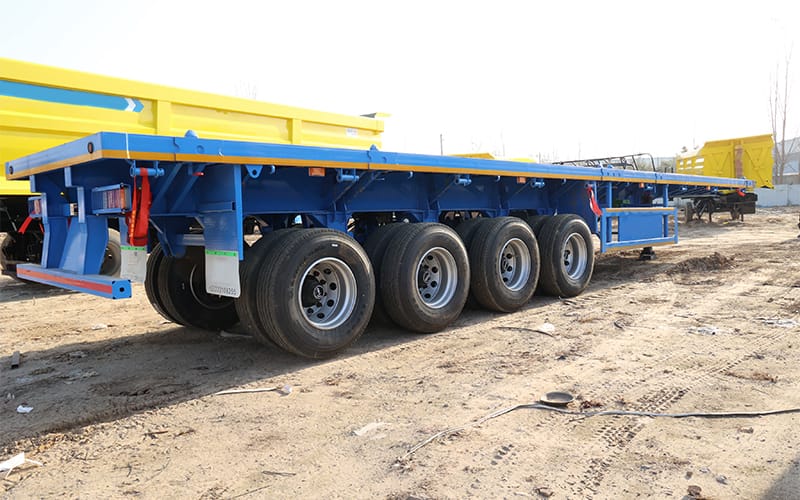
Open decks carry many cargo shapes, but one payload number cannot describe every support condition. A long bundle spread across several cross-members differs from a compact machine resting on four small feet. For flatbed semi-trailers, provide the footprint, weight and permitted support locations of the cargo. Include dunnage or a transport cradle in the drawing so engineering can assess how the load enters the platform and main beams.
Evaluate flatbed semi-trailers through representative load cases rather than assuming the entire rated payload can be placed anywhere on the deck. Identify the maximum individual item, the likely loading direction and any asymmetric arrangement. Request written guidance on acceptable positions and on cases that need separate review. A platform that is suitable for ordinary pallet freight may require a different support arrangement for machinery, steel or precast pieces even when the total shipment mass remains the same.
Check usable deck space after fitting accessories
Platform length and width should be measured as usable cargo space. Front structures, winches, stanchions, toolboxes and spare-wheel arrangements can interfere with loading or with the clearance needed around an item. For flatbed semi-trailers, show the largest cargo envelope on the proposed deck drawing and include the space required to attach restraints. A load that fits geometrically may still block the equipment needed to secure it.
For flatbed semi-trailers, request the final accessory layout and confirm which fittings can be removed, folded or repositioned under the supplier's instructions. Account for the loaded combination's outside envelope and any cargo overhang through the relevant route assessment. Keep optional extensions separate from the standard platform dimensions. At handover, compare the fitted layout with the approved drawing, since an accessory added late in production can reduce the working space that the buyer expected to receive.
Assess how the cargo will be placed on the platform
Crane loading, side loading and rear loading expose a platform to different operating demands. A forklift entering the deck introduces concentrated wheel loads, while a crane may lower a heavy item into a small support area. For flatbed semi-trailers, describe the loading equipment and sequence as part of the enquiry. Provide handling equipment details if it will travel onto the trailer, rather than treating that activity as incidental to the cargo rating.
Discuss flatbed semi-trailers with the loading site as well as the supplier. Identify the access side, the required working clearance and the positions where dunnage must be placed before the cargo arrives. The loading method should avoid relying on improvisation after a crane has taken the weight. Obtain confirmation of deck compatibility for the proposed handling task and retain the approved method with the load plan. Overall payload and local deck loading are related, but they are not the same acceptance criterion.
Specify restraint hardware as a complete load path
A restraint system transfers forces through the cargo, straps or chains, connectors and trailer anchors. The weakest suitable-rated component and the actual arrangement influence the result. For flatbed semi-trailers, ask for anchorage locations and ratings with enough information for a competent planner to develop the cargo-specific restraint method. A photograph showing many rings does not establish that each ring is appropriate for every load direction.
For flatbed semi-trailers, inspect whether sharp cargo edges, deck fittings or low attachment positions will damage or obstruct the selected restraints. Identify where edge protection, blocking or a purpose-designed support is needed. Keep the trailer's structural carrying rating distinct from the securing arrangement. The receiving team should be able to identify the fitted anchors and their references without guessing from their appearance. Where commodity-specific requirements apply, obtain an appropriate plan for that cargo and destination before dispatch.
Use friction and support assumptions that match the load
Dunnage provides support, clearance and sometimes a useful friction interface, but its condition and placement matter. Wet, damaged or mismatched supports can change both deck contact and cargo stability. For flatbed semi-trailers, define the intended dunnage material, support spacing and method of preventing supports from moving. Do not assume a generic friction value applies to every combination of steel, timber, paint and weather conditions.
Review flatbed semi-trailers with the party responsible for securing the load. A restraint plan should state the assumptions on which it depends and identify the checks needed before loading. Include the effect of packaging straps, loose covers and protective materials around the freight. When a shipment changes from packaged to bare cargo, revisit the support and restraint method. The objective is a repeatable loading arrangement with inspectable components, rather than a deck that depends on the experience of one particular driver.
Evaluate return-load opportunities without diluting the main task
A flatbed can appear versatile while being poorly configured for the work that produces most of the fleet's revenue. A deck tailored to long steel bundles may need additional provisions to carry compact machinery or palletized freight. For flatbed semi-trailers, list the main outward loads and realistic return loads, including their weights, support footprints and handling methods. Identify which cases are essential and which are optional opportunities.
Assess flatbed semi-trailers against the required changeover time, removable equipment and restraint hardware for each case. Avoid ordering a heavy accessory package merely because it might be useful for an occasional shipment. Compare the additional mass and service burden with the actual commercial benefit. A clear use-case matrix helps the supplier propose a practical configuration and gives the operator a record of which cargo arrangements were reviewed, rather than relying on an unrestricted claim of multi-purpose suitability.
Review side and rear access for the people doing the work
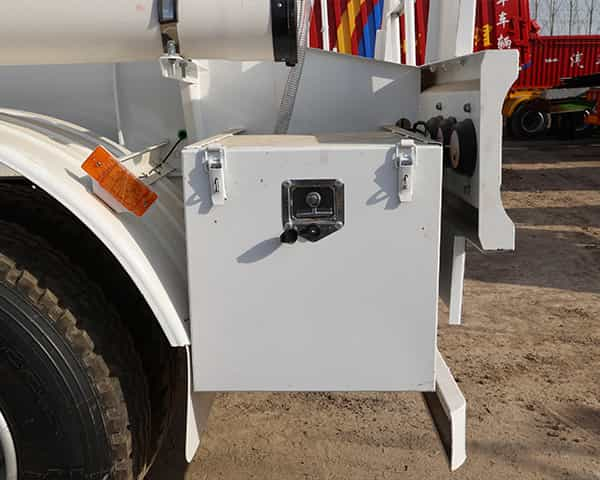
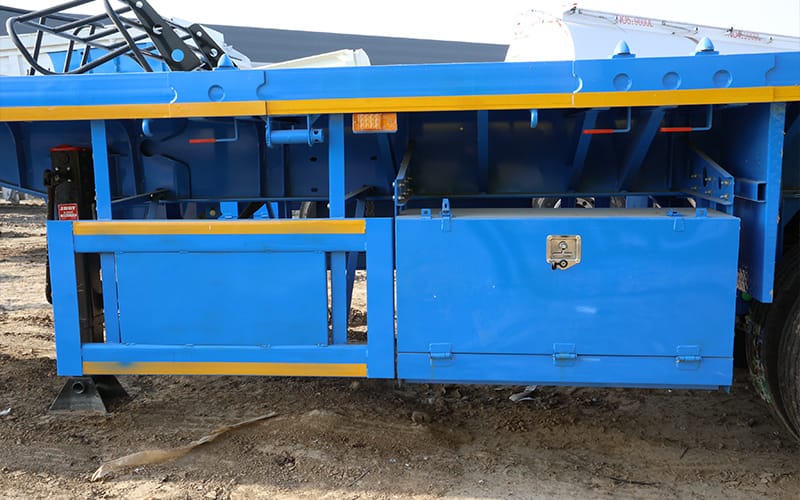
Drivers need practical access to inspect restraints, operate winches and reach storage areas. A well-positioned toolbox can reduce handling time, while a poorly placed one can force a crew to work beneath suspended cargo or across a busy loading path. For flatbed semi-trailers, review the accessory layout with operators and site personnel before approving it. Consider ground clearance, reach and the space needed to open lids or withdraw equipment.
For flatbed semi-trailers, map the routine actions at the start and end of a job. Identify where a driver waits during crane or forklift movements and how inspection can occur after the cargo is in place. Any access platform or climbing provision needs appropriate assessment for its use. Do not assume that a side rail is a safe walkway or that an available foothold was designed for access. Practical operator review can expose these problems while the layout is still easy to revise.
Turn the enquiry into a controlled specification
A useful enquiry separates mandatory operating requirements from preferences that the supplier can discuss. For flatbed semi-trailers, identify the cargo, route, handling method and destination before choosing optional equipment. Put the agreed requirements on a controlled specification with a revision date. This gives commercial and engineering teams a common reference and makes a later change visible.
For flatbed semi-trailers, ask suppliers to mark deviations rather than responding with a general statement that they can customise anything. Link drawings and equipment lists to the same revision and identify the party responsible for confirming each interface. When an option is changed, review its effect on mass, access, maintenance and the operating process. A traceable specification makes quotations easier to compare and provides a practical acceptance baseline when the finished trailer is inspected.
Compare flatbed semi-trailers: decision evidence
| Decision | Evidence to request | Buyer action |
|---|---|---|
| Bundles | Actual packaged size and mass | Identify support locations |
| Dunnage | Approved material and spacing | Prevent unsupported overhang |
| Unloading | Crane or forklift access | Preserve restraint access |
| Partial load | Remaining-package arrangement | Review the delivery sequence |
Use this comparison as a project record for flatbed semi-trailers. Each answer should refer to the same cargo and configuration, with deviations identified explicitly. Where the supplier proposes an alternative, assess its effect on timber bundle contact and unloading access before accepting a lower price or a different delivery scope.
Connect the enquiry to a suitable Yufei product
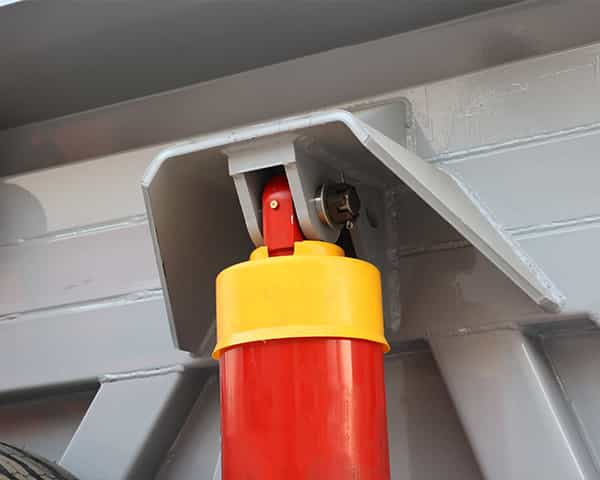
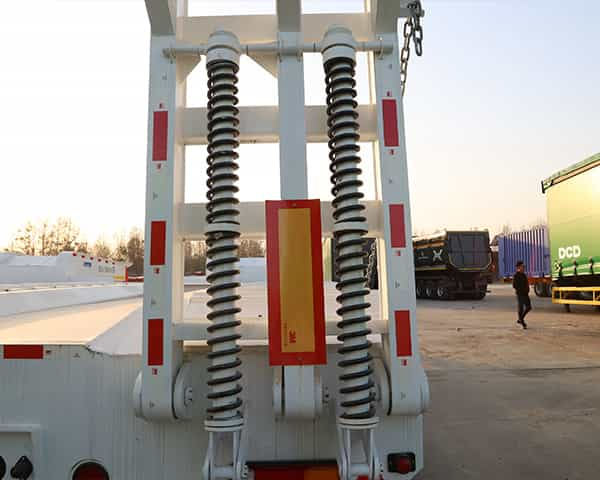
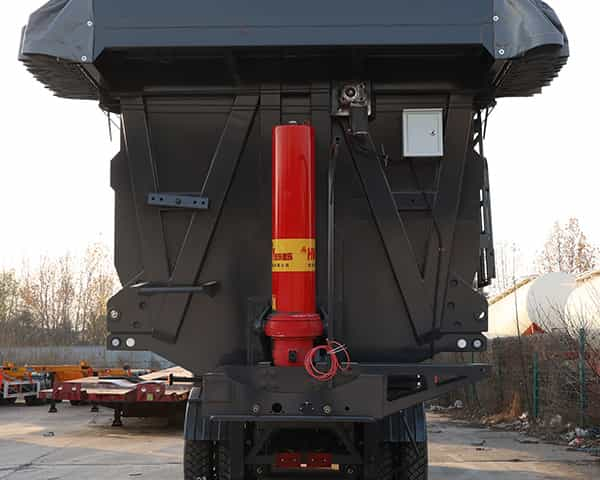
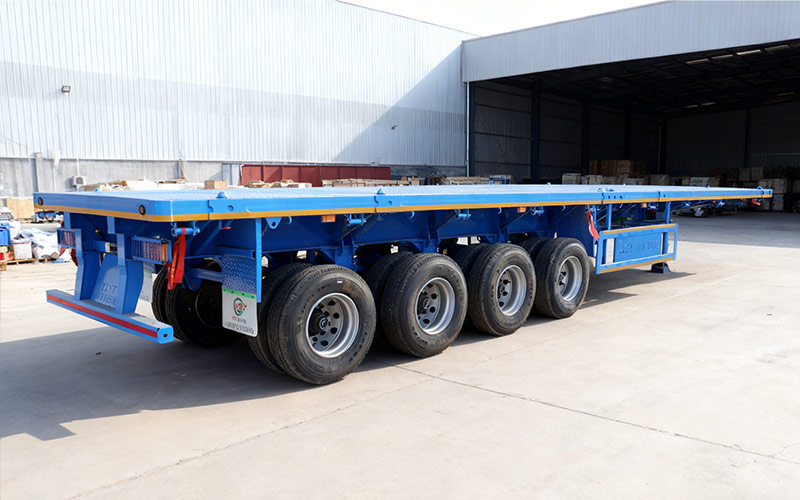
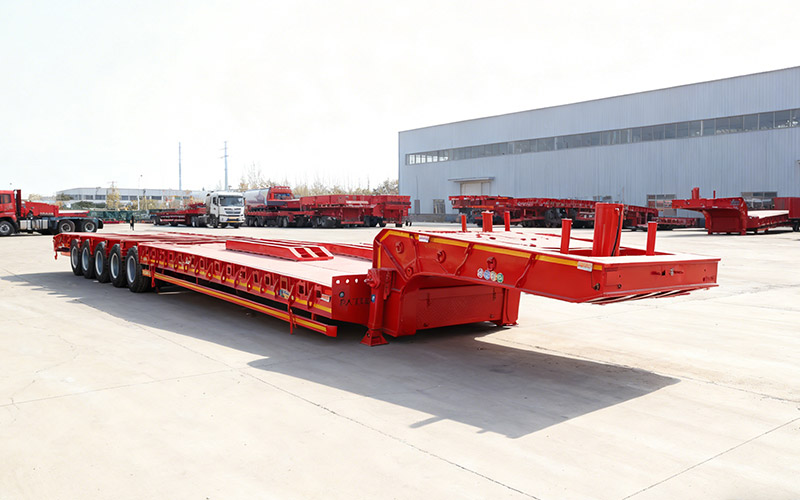
Yufei lists the Semirremolque de plataforma pesada as a relevant starting point for this enquiry. Use the Logística general Transporte solution page to frame the operating discussion, then request confirmation of the exact configuration, included options and evidence needed for your duty. Illustrative photographs show visible features and do not establish an unshown specification.
Further reading: FMCSA cargo securement rules.
Request a configuration review and quotation
Discuss flatbed semi-trailers with Yufei using your cargo, destination and route information. Include the evidence listed above, identify the decision about timber bundle contact and unloading access, and ask for a configuration and quotation that state the included scope. Contact Yufei or complete the enquiry form below to begin the technical discussion.
Frequently asked questions
What should I confirm first when reviewing flatbed semi-trailers?
Start with timber bundle contact and unloading access. Obtain actual packaged size and mass and use it to identify support locations. For flatbed semi-trailers, this establishes the working case before price or optional equipment is compared.
Which evidence matters most for flatbed semi-trailers?
Request approved material and spacing and crane or forklift access. The documents should describe the actual cargo, interfaces and fitted configuration. Keep the approved revision available so the receiving team can verify what was ordered.
Can a product image prove the requested configuration?
No. A photograph shows visible features. Assess flatbed semi-trailers using the specification and appropriate evidence for the intended duty. Confirm unshown options, ratings and compatibility in writing rather than inferring them from appearance.
How should I compare quotations for flatbed semi-trailers?
Use the same operating case and included scope. In particular, review the delivery sequence using remaining-package arrangement. Identify deviations and exclusions before ranking price, and include the support needed to put the equipment into service.
What information should I send Yufei for a technical enquiry?
Send the cargo description, destination, route, handling method and the specific decision about timber bundle contact and unloading access. Include actual packaged size and mass and approved material and spacing where available. Ask Yufei to confirm the proposed product and any required options before ordering.
Categorías de blogs
Contacte con nosotros
Últimas noticias
-
Low Bed Semi Trailer for Sale: Job-Mix Quote Checklist
-
Tanker Trailer Unloading Hose Guide for Fleet Operators
-
Side Curtain Trailer Maintenance Checklist for Palletized Freight Fleets
-
Tanker Semi Trailer Baffle Planning for Liquid Cargo Stability
-
Remolques de gran tonelaje: Cómo elegir el adecuado
-
Semi Trailer Maintenance Records Guide for Fleet Buyers
-
Lowbed Trailer Neck Design Guide for Equipment Transport
-
Flatbed Semi-Trailers: Timber Bundle Support Planning
-
Cargas pesadas aseguradas: Remolque de plataforma baja Yufei
-

La colaboración en la cadena de suministro y los remolques crean un ecosistema entre la industria y el mundo académico
-
Semi Trailer Landing Gear Inspection Checklist for Safer Yard Operations
-
Heavy Haul Trailer Guide: Types, Specs & Buying Tips
-
Flatbed Trailer Chain Angle Guide for Safer Cargo Securing
-
Soluciones personalizadas de semirremolques y vehículos especiales para el transporte moderno
-
Capacidad del remolque de cama baja: Guía completa para el transporte de equipos pesados
-
Semi Trailer Suspension Selection Guide for Heavy Loads
-
Flatbed Trailer Deck Wear Inspection for Machinery Transport
-
Semi Trailer Fleet Inspection Calendar for Monthly Maintenance Planning
-
Semirremolques hidráulicos: Cómo elegir el modelo adecuado
Vea nuestras soluciones sectoriales
O infórmese sobre otros contenidos del sector
Índice
For flatbed semi-trailers, the purchasing decision is about timber bundle contact and unloading access. Start with the real operating case and require evidence for the interfaces that determine whether the equipment will fit the work. This guide connects flatbed semi-trailers with the information a fleet buyer can request, compare and retain before approving a configuration.
Define the job for flatbed semi-trailers
Timber bundles need a repeatable support and restraint arrangement. Record bundle length, mass, packaging and the locations where dunnage can carry the load. Consider how the unloading equipment reaches the bundles and what remains on the deck after the first delivery. The buyer should approve a practical arrangement for the actual package, rather than assume an open platform accepts any bundle that fits.
Turn the buying question into acceptance evidence
First, establish bundles. Request actual packaged size and mass and identify support locations.
Next, resolve dunnage. Request approved material and spacing and prevent unsupported overhang.
Then, review unloading. Request crane or forklift access and preserve restraint access.
Finally, document partial load. Request remaining-package arrangement and review the delivery sequence.
For flatbed semi-trailers, these four items define the technical comparison. Keep each answer linked to the same operating case and final configuration. Record missing evidence explicitly, so the receiving team can distinguish an agreed requirement from an unresolved assumption.
Describe concentrated and distributed loads separately for flatbed semi-trailers
Open decks carry many cargo shapes, but one payload number cannot describe every support condition. A long bundle spread across several cross-members differs from a compact machine resting on four small feet. For flatbed semi-trailers, provide the footprint, weight and permitted support locations of the cargo. Include dunnage or a transport cradle in the drawing so engineering can assess how the load enters the platform and main beams.
Evaluate flatbed semi-trailers through representative load cases rather than assuming the entire rated payload can be placed anywhere on the deck. Identify the maximum individual item, the likely loading direction and any asymmetric arrangement. Request written guidance on acceptable positions and on cases that need separate review. A platform that is suitable for ordinary pallet freight may require a different support arrangement for machinery, steel or precast pieces even when the total shipment mass remains the same.
Check usable deck space after fitting accessories
Platform length and width should be measured as usable cargo space. Front structures, winches, stanchions, toolboxes and spare-wheel arrangements can interfere with loading or with the clearance needed around an item. For flatbed semi-trailers, show the largest cargo envelope on the proposed deck drawing and include the space required to attach restraints. A load that fits geometrically may still block the equipment needed to secure it.
For flatbed semi-trailers, request the final accessory layout and confirm which fittings can be removed, folded or repositioned under the supplier's instructions. Account for the loaded combination's outside envelope and any cargo overhang through the relevant route assessment. Keep optional extensions separate from the standard platform dimensions. At handover, compare the fitted layout with the approved drawing, since an accessory added late in production can reduce the working space that the buyer expected to receive.
Assess how the cargo will be placed on the platform
Crane loading, side loading and rear loading expose a platform to different operating demands. A forklift entering the deck introduces concentrated wheel loads, while a crane may lower a heavy item into a small support area. For flatbed semi-trailers, describe the loading equipment and sequence as part of the enquiry. Provide handling equipment details if it will travel onto the trailer, rather than treating that activity as incidental to the cargo rating.
Discuss flatbed semi-trailers with the loading site as well as the supplier. Identify the access side, the required working clearance and the positions where dunnage must be placed before the cargo arrives. The loading method should avoid relying on improvisation after a crane has taken the weight. Obtain confirmation of deck compatibility for the proposed handling task and retain the approved method with the load plan. Overall payload and local deck loading are related, but they are not the same acceptance criterion.
Specify restraint hardware as a complete load path
A restraint system transfers forces through the cargo, straps or chains, connectors and trailer anchors. The weakest suitable-rated component and the actual arrangement influence the result. For flatbed semi-trailers, ask for anchorage locations and ratings with enough information for a competent planner to develop the cargo-specific restraint method. A photograph showing many rings does not establish that each ring is appropriate for every load direction.
For flatbed semi-trailers, inspect whether sharp cargo edges, deck fittings or low attachment positions will damage or obstruct the selected restraints. Identify where edge protection, blocking or a purpose-designed support is needed. Keep the trailer's structural carrying rating distinct from the securing arrangement. The receiving team should be able to identify the fitted anchors and their references without guessing from their appearance. Where commodity-specific requirements apply, obtain an appropriate plan for that cargo and destination before dispatch.
Use friction and support assumptions that match the load
Dunnage provides support, clearance and sometimes a useful friction interface, but its condition and placement matter. Wet, damaged or mismatched supports can change both deck contact and cargo stability. For flatbed semi-trailers, define the intended dunnage material, support spacing and method of preventing supports from moving. Do not assume a generic friction value applies to every combination of steel, timber, paint and weather conditions.
Review flatbed semi-trailers with the party responsible for securing the load. A restraint plan should state the assumptions on which it depends and identify the checks needed before loading. Include the effect of packaging straps, loose covers and protective materials around the freight. When a shipment changes from packaged to bare cargo, revisit the support and restraint method. The objective is a repeatable loading arrangement with inspectable components, rather than a deck that depends on the experience of one particular driver.
Evaluate return-load opportunities without diluting the main task
A flatbed can appear versatile while being poorly configured for the work that produces most of the fleet's revenue. A deck tailored to long steel bundles may need additional provisions to carry compact machinery or palletized freight. For flatbed semi-trailers, list the main outward loads and realistic return loads, including their weights, support footprints and handling methods. Identify which cases are essential and which are optional opportunities.
Assess flatbed semi-trailers against the required changeover time, removable equipment and restraint hardware for each case. Avoid ordering a heavy accessory package merely because it might be useful for an occasional shipment. Compare the additional mass and service burden with the actual commercial benefit. A clear use-case matrix helps the supplier propose a practical configuration and gives the operator a record of which cargo arrangements were reviewed, rather than relying on an unrestricted claim of multi-purpose suitability.
Review side and rear access for the people doing the work
Drivers need practical access to inspect restraints, operate winches and reach storage areas. A well-positioned toolbox can reduce handling time, while a poorly placed one can force a crew to work beneath suspended cargo or across a busy loading path. For flatbed semi-trailers, review the accessory layout with operators and site personnel before approving it. Consider ground clearance, reach and the space needed to open lids or withdraw equipment.
For flatbed semi-trailers, map the routine actions at the start and end of a job. Identify where a driver waits during crane or forklift movements and how inspection can occur after the cargo is in place. Any access platform or climbing provision needs appropriate assessment for its use. Do not assume that a side rail is a safe walkway or that an available foothold was designed for access. Practical operator review can expose these problems while the layout is still easy to revise.
Turn the enquiry into a controlled specification
A useful enquiry separates mandatory operating requirements from preferences that the supplier can discuss. For flatbed semi-trailers, identify the cargo, route, handling method and destination before choosing optional equipment. Put the agreed requirements on a controlled specification with a revision date. This gives commercial and engineering teams a common reference and makes a later change visible.
For flatbed semi-trailers, ask suppliers to mark deviations rather than responding with a general statement that they can customise anything. Link drawings and equipment lists to the same revision and identify the party responsible for confirming each interface. When an option is changed, review its effect on mass, access, maintenance and the operating process. A traceable specification makes quotations easier to compare and provides a practical acceptance baseline when the finished trailer is inspected.
Compare flatbed semi-trailers: decision evidence
| Decision | Evidence to request | Buyer action |
|---|---|---|
| Bundles | Actual packaged size and mass | Identify support locations |
| Dunnage | Approved material and spacing | Prevent unsupported overhang |
| Unloading | Crane or forklift access | Preserve restraint access |
| Partial load | Remaining-package arrangement | Review the delivery sequence |
Use this comparison as a project record for flatbed semi-trailers. Each answer should refer to the same cargo and configuration, with deviations identified explicitly. Where the supplier proposes an alternative, assess its effect on timber bundle contact and unloading access before accepting a lower price or a different delivery scope.
Connect the enquiry to a suitable Yufei product
Yufei lists the Semirremolque de plataforma pesada as a relevant starting point for this enquiry. Use the Logística general Transporte solution page to frame the operating discussion, then request confirmation of the exact configuration, included options and evidence needed for your duty. Illustrative photographs show visible features and do not establish an unshown specification.
Further reading: FMCSA cargo securement rules.
Request a configuration review and quotation
Discuss flatbed semi-trailers with Yufei using your cargo, destination and route information. Include the evidence listed above, identify the decision about timber bundle contact and unloading access, and ask for a configuration and quotation that state the included scope. Contact Yufei or complete the enquiry form below to begin the technical discussion.
Frequently asked questions
What should I confirm first when reviewing flatbed semi-trailers?
Start with timber bundle contact and unloading access. Obtain actual packaged size and mass and use it to identify support locations. For flatbed semi-trailers, this establishes the working case before price or optional equipment is compared.
Which evidence matters most for flatbed semi-trailers?
Request approved material and spacing and crane or forklift access. The documents should describe the actual cargo, interfaces and fitted configuration. Keep the approved revision available so the receiving team can verify what was ordered.
Can a product image prove the requested configuration?
No. A photograph shows visible features. Assess flatbed semi-trailers using the specification and appropriate evidence for the intended duty. Confirm unshown options, ratings and compatibility in writing rather than inferring them from appearance.
How should I compare quotations for flatbed semi-trailers?
Use the same operating case and included scope. In particular, review the delivery sequence using remaining-package arrangement. Identify deviations and exclusions before ranking price, and include the support needed to put the equipment into service.
What information should I send Yufei for a technical enquiry?
Send the cargo description, destination, route, handling method and the specific decision about timber bundle contact and unloading access. Include actual packaged size and mass and approved material and spacing where available. Ask Yufei to confirm the proposed product and any required options before ordering.
Categorías de blogs
Contacte con nosotros
Últimas noticias
-
Semi Trailer Lighting Inspection for Night Loading and Yard Safety
-
Semi Trailer Fleet Inspection Calendar for Monthly Maintenance Planning
-
Container Chassis Twist Lock Inspection Guide for Port Fleets
-
Bulk Powder Tanker Air Line Inspection Before Dry Bulk Loading
-
Flatbed Trailer Loading Surface Guide for Machinery Buyers
-
Cargas pesadas aseguradas: Remolque de plataforma baja Yufei
-
Dump Semi Trailer Hydraulic Cylinder Checks Before Site Work
-
Lowboy Trailer Ramp Angle Planning for Construction Machinery
-
Aplicaciones de Remolques de Cama Baja para el Transporte de Equipos Pesados
-
Flatbed Trailer Deck Wear Inspection for Machinery Transport
-
Transporte de Polvo a Granel: Yufei Powder Tanker, Cero Pérdidas
-
Semi Trailer After-Sales Support Checklist for Importers
-
Semi Trailer Pre-Delivery Inspection Checklist for Overseas Buyers
-
Semi Trailer Tire Maintenance Checklist for Long-Distance Fleets
-
Lowboy Trailer Tire Clearance Guide for Heavy Equipment Loads
-
Remolque de cama baja vs. Remolque de plataforma plana: ¿Cuál es el adecuado para sus necesidades de transporte?
-

Yufei galardonada con el título de “PYME con especialidad”, fortaleza de referencia
-
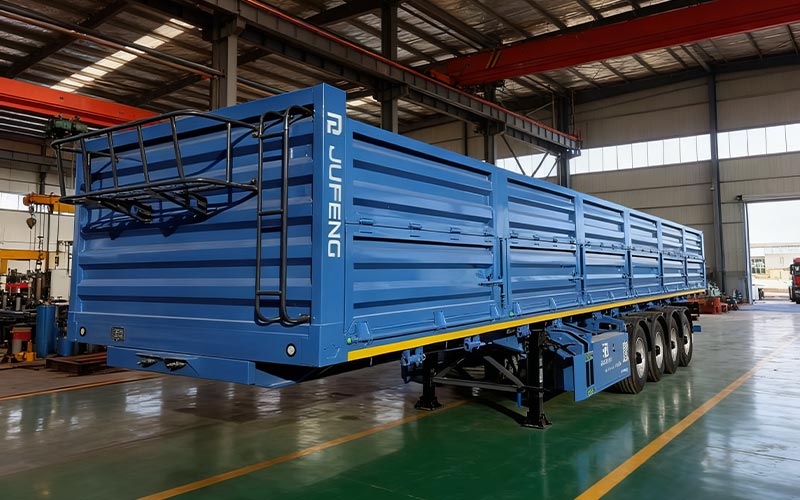
Lanzamiento del remolque pesado Yufei, la tecnología potencia
-
Heavy Equipment Transport: Complete Guide to Oversized Cargo Logistics
Vea nuestras soluciones sectoriales
O infórmese sobre otros contenidos del sector
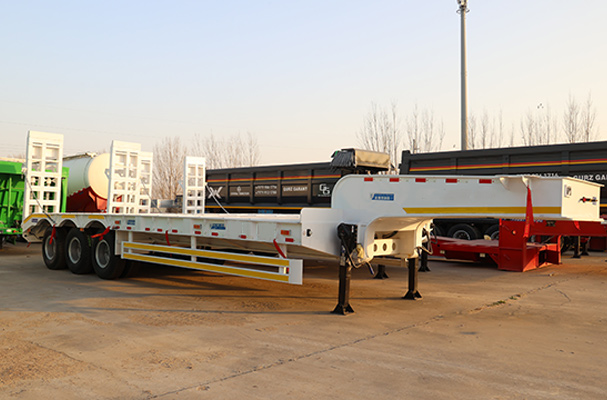
Equipos de ingeniería Transporte:
Los remolques a medida ofrecen soluciones eficientes
Yufei resuelve los problemas de transporte de equipos de ingeniería para una empresa de arrendamiento de equipos de Henan:
Puntos débiles de los clientes:
Capacidad de carga insuficiente para excavadoras de 35 toneladas, retrasos debidos a la escasa capacidad de giro en carreteras de obra estrechas y plazos de entrega de los remolques superiores a 45 días.
Solución:
Remolques de plataforma baja personalizados de 80 toneladas con plataformas de carga de 1,2 metros y dirección hidráulica, con líneas de producción flexibles para entregas rápidas.
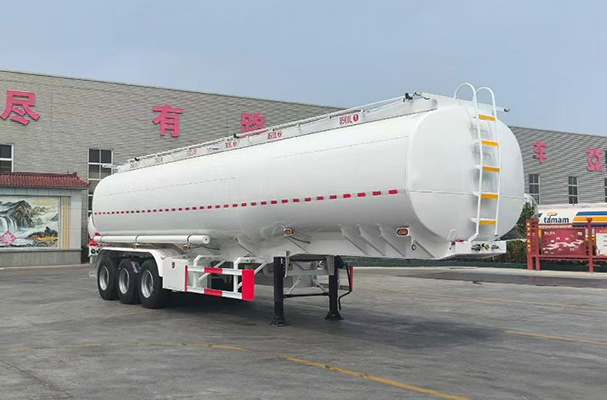
Transporte de materiales peligrosos:
Los camiones cisterna de clase A mejoran la seguridad y aumentan los beneficios
Yufei resolvió un reto fundamental para su socio logístico, Sinopec, en el transporte de materiales peligrosos:
Puntos débiles de los clientes:
Los camiones cisterna antiguos presentan importantes riesgos de fuga, un peso propio de 12 toneladas limita la capacidad de carga y el consumo de combustible supera los 35 litros.
Solución:
La cisterna de clase A cuenta con un depósito de acero inoxidable 304, dispositivos de seguridad triples y una estructura ligera 0690.
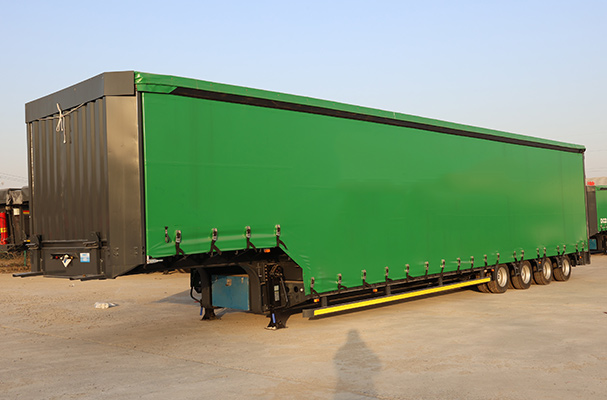
Logística general:
Un remolque con estacas resuelve los problemas de capacidad de transporte
Yufei ayuda a una empresa logística de Shandong a superar los problemas de transporte durante las temporadas altas del comercio electrónico:
Puntos débiles de los clientes:
Los remolques viejos tienen tiempos de carga y descarga lentos, capacidad limitada para mercancías voluminosas, un consumo de combustible superior a 32 litros y una capacidad de transporte insuficiente durante las temporadas altas.
Solución:
Remolques de estacas plegables personalizables, construcción ligera de acero Q690 + autodescarga hidráulica.
[Casos prácticos de clientes]
Soluciones personalizadas de Yufei
Con sede en Liangshan, Yufei se ha especializado en semirremolques para usos especiales desde 2008, con casos de servicio reales en todo el mundo que demuestran su capacidad de fabricación inteligente.
[Casos prácticos de clientes]
Soluciones personalizadas de Yufei
Con sede en Liangshan, Yufei se ha especializado en semirremolques para usos especiales desde 2008, con casos de servicio reales en todo el mundo que demuestran su capacidad de fabricación inteligente.
Equipos de ingeniería Transporte:
Los remolques a medida ofrecen soluciones eficientes
Yufei resuelve los problemas de transporte de equipos de ingeniería para una empresa de arrendamiento de equipos de Henan:
Puntos débiles de los clientes:
Capacidad de carga insuficiente para excavadoras de 35 toneladas, retrasos debidos a la escasa capacidad de giro en carreteras de obra estrechas y plazos de entrega de los remolques superiores a 45 días.
Solución:
Remolques de plataforma baja personalizados de 80 toneladas con plataformas de carga de 1,2 metros y dirección hidráulica, con líneas de producción flexibles para entregas rápidas.
Transporte de materiales peligrosos:
Los camiones cisterna de clase A mejoran la seguridad y aumentan los beneficios
Yufei resolvió un reto fundamental para su socio logístico, Sinopec, en el transporte de materiales peligrosos:
Puntos débiles de los clientes:
Los camiones cisterna antiguos presentan importantes riesgos de fuga, un peso propio de 12 toneladas limita la capacidad de carga y el consumo de combustible supera los 35 litros.
Solución:
La cisterna de clase A cuenta con un depósito de acero inoxidable 304, dispositivos de seguridad triples y una estructura ligera 0690.
Logística general:
Un remolque con estacas resuelve los problemas de capacidad de transporte
Yufei ayuda a una empresa logística de Shandong a superar los problemas de transporte durante las temporadas altas del comercio electrónico:
Puntos débiles de los clientes:
Los remolques viejos tienen tiempos de carga y descarga lentos, capacidad limitada para mercancías voluminosas, un consumo de combustible superior a 32 litros y una capacidad de transporte insuficiente durante las temporadas altas.
Solución:
Remolques de estacas plegables personalizables, construcción ligera de acero Q690 + autodescarga hidráulica.
[Ventajas principales]
Competitividad básica
Impulsados por la inteligencia y el servicio
Fuerte
Equipo de I+D:
Equipo de 120 miembros, 451 títulos seniorTP3T, tecnología punta

Inteligente
Fabricación:
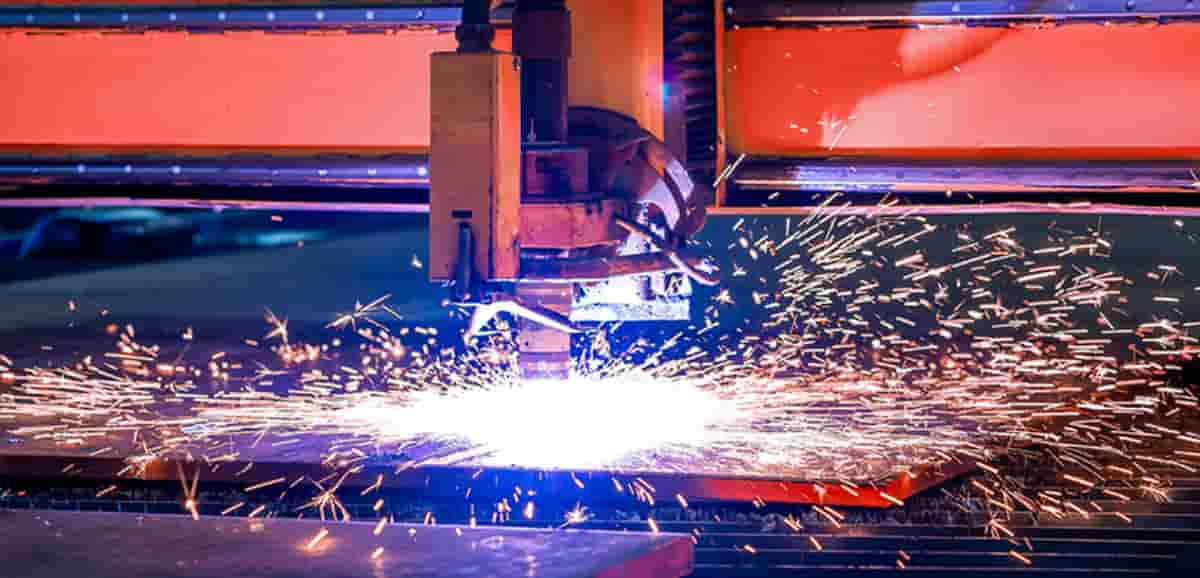
Soldadura robotizada, garantía de precisión 99%
Rápido
Personalización:
Líneas flexibles para necesidades diversas, entrega en 7 días

Estricto
Control de calidad:
Control total del proceso, certificación ISO9001

Completo
Postventa:
Respuesta 24 horas, asistencia operativa de por vida

Industrial
Grupo Adv:
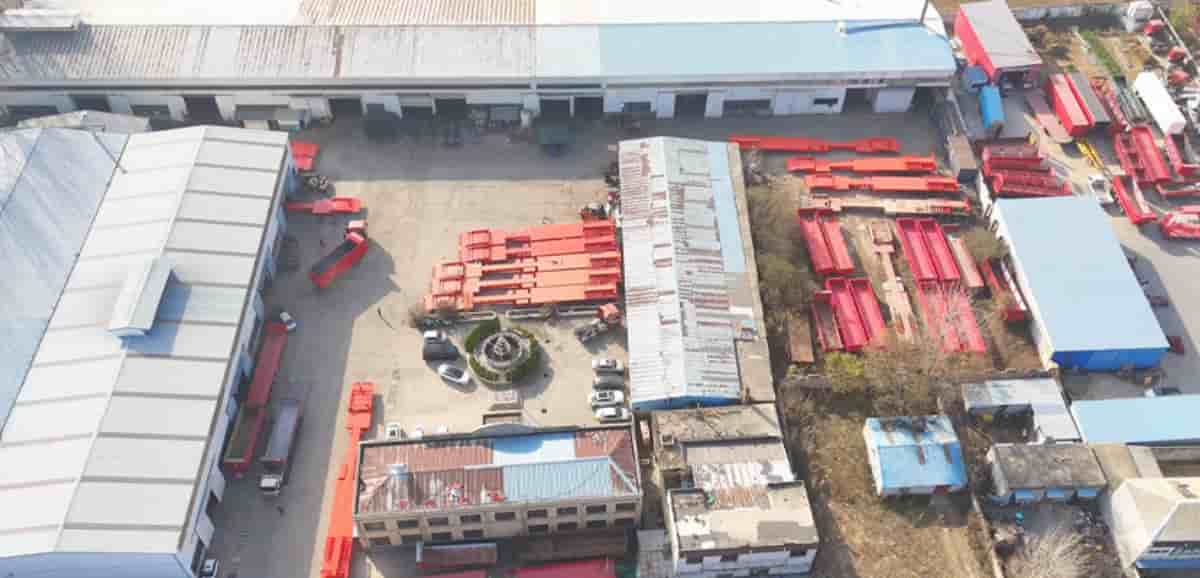
Base de Liangshan, cadena de suministro eficiente
Ligero
Avance tecnológico:
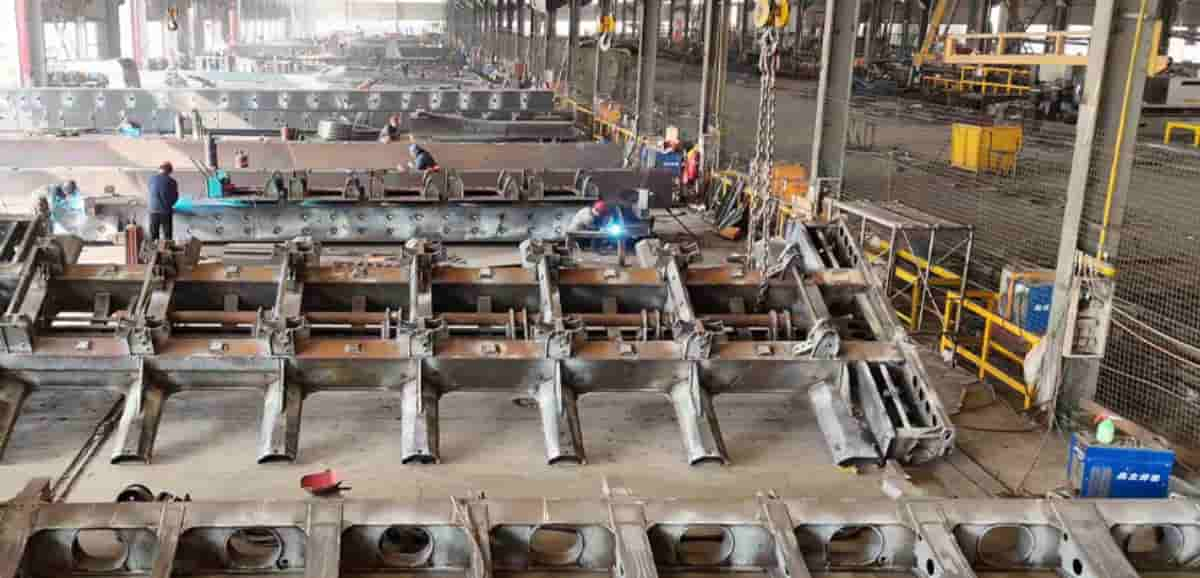
Optimización de la topología, reducción de peso 18%
Complete
Cualificaciones:
Certificado CCC, Clase A para mercancías peligrosas

[Contáctenos]
Listo para encontrar su
Solución de remolque perfecta